







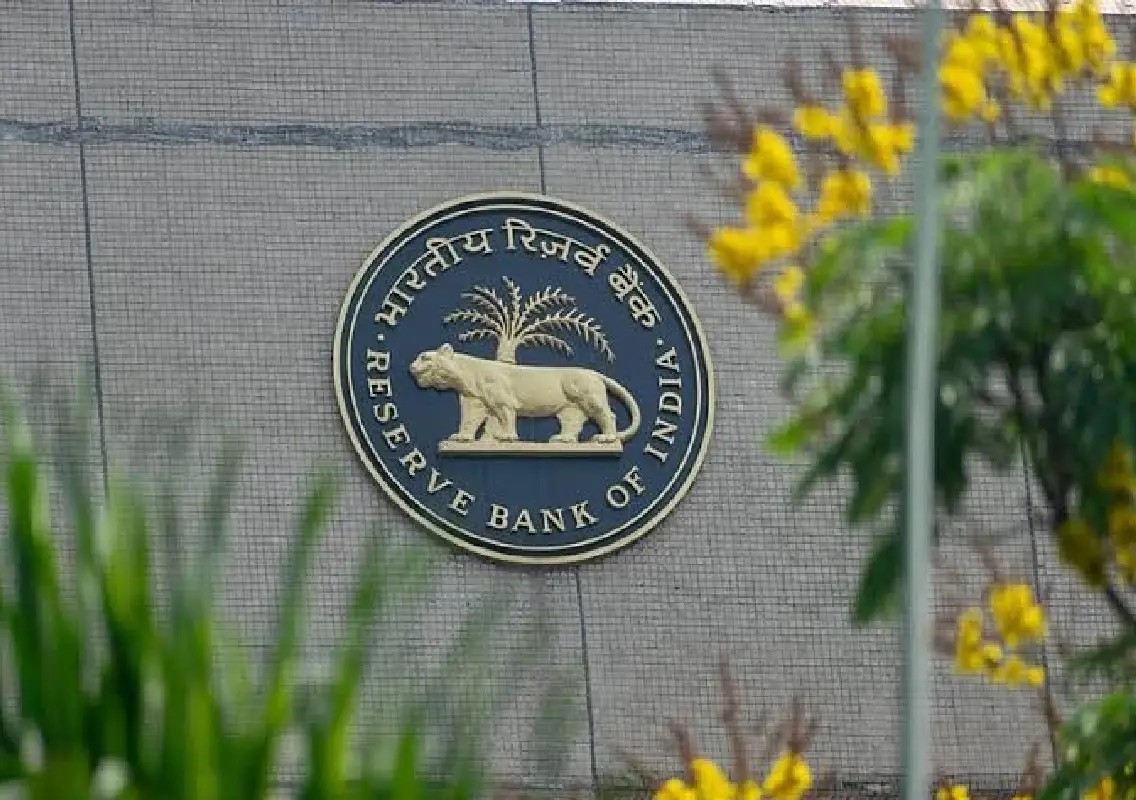


New Delhi: The Reserve Bank of India (RBI) has rolled out a revamped Integrated Ombudsman Scheme, introducing a strengthened framework for resolving customer complaints against banks, select non-banking financial companies (NBFCs), prepaid payment instrument (PPI) issuers and credit information companies.
The new scheme came into effect on Wednesday, replacing the 2021 framework. However, complaints and appeals filed under the earlier scheme will continue to be handled under the previous rules.
Faster and free grievance redressal
The revamped scheme aims to provide customers with a faster, cost-free and non-adversarial mechanism for resolving complaints related to deficiencies in services offered by RBI-regulated entities.
It continues to follow the “One Nation, One Ombudsman” approach, ensuring that complaints are processed without regard to the location of the customer or the regulated entity.
The objective is to simplify the grievance redressal process while ensuring uniformity in complaint handling across the country.
Customers must first approach the service provider
Under the new framework, customers are required to first raise their grievance with the concerned regulated entity.
If the entity does not respond within 30 days, or within any extended timeline prescribed by the RBI, the National Payments Corporation of India (NPCI) or applicable card network rules, or if the customer is dissatisfied with the response received, the complaint may be escalated to the RBI Ombudsman.
Such complaints must be filed within 90 days of receiving the final response or after the response period expires.
Expanded powers for deputy ombudsmen
The revised scheme introduces detailed maintainability criteria to determine whether complaints qualify for consideration.
It also expands the responsibilities of RBI deputy ombudsmen, who will now examine complaints relating to deficiencies in service and reject those that do not satisfy the prescribed eligibility conditions.
The framework is intended to improve the efficiency of complaint processing while reducing unnecessary delays.
Compensation provisions
Where a deficiency in service is established, the Ombudsman may facilitate a settlement between the parties or issue an award directing the regulated entity to take corrective action.
The scheme allows compensation of up to ₹30 lakh for consequential financial losses suffered by customers.
Additionally, compensation of up to ₹3 lakh may be awarded for loss of time, expenses incurred, harassment and mental anguish arising from the deficiency in service.
Customers and regulated entities have the right to appeal Ombudsman awards before the designated Appellate Authority within the prescribed time limits.
RBI releases FAQs
To help customers and regulated entities understand the revised framework, the RBI has also published a set of Frequently Asked Questions (FAQs) on its official website.
The FAQs explain the complaint process, eligibility criteria, timelines and other key features of the revamped scheme, aiming to improve awareness and facilitate smoother grievance redressal.
The revised Integrated Ombudsman Scheme is expected to strengthen consumer protection by making the complaint resolution process more transparent, accessible and efficient across India’s financial sector.