







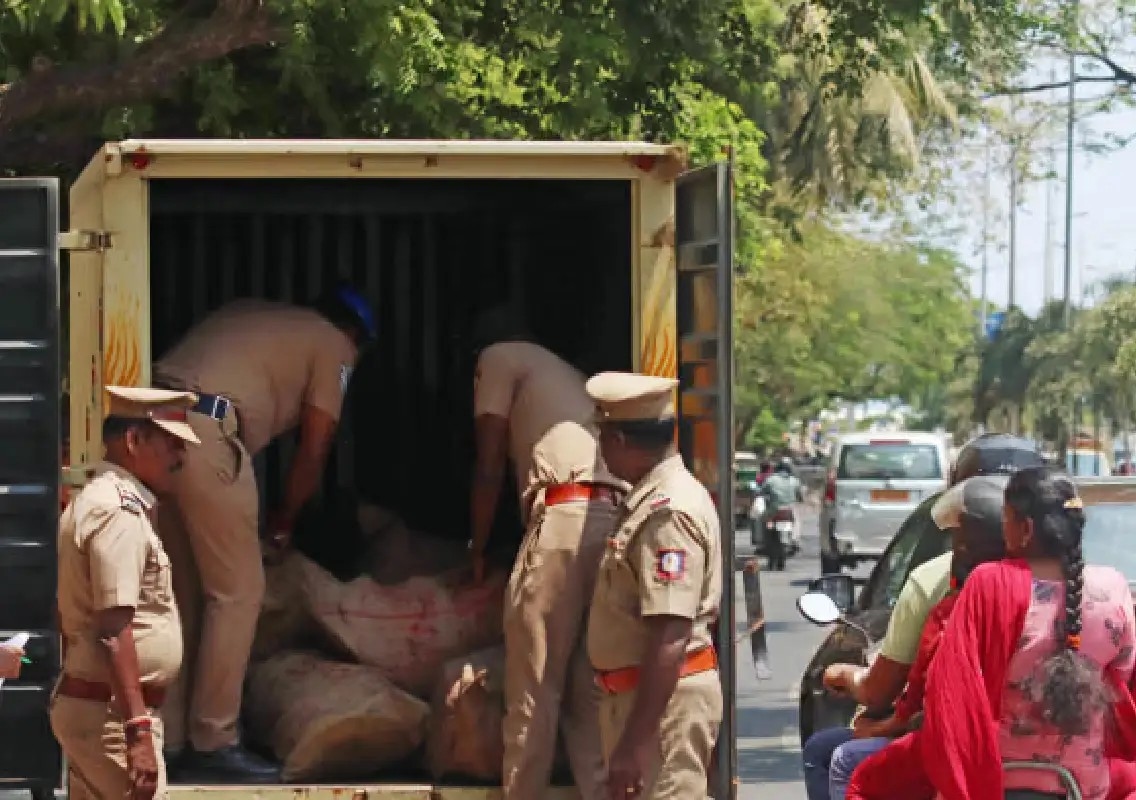


New Delhi: The Supreme Court has issued a series of directions aimed at strengthening the enforcement of laws against electoral offences, including the use of black money and other inducements during elections. The judgment seeks to address concerns over delayed investigations and the perceived impunity surrounding electoral crimes.
Free elections are central to democracy
Justice Sanjay Karol, who authored the judgment, described democracy and free and fair elections as inseparable, stressing the importance of protecting a voter’s ability to make an independent choice.
The court observed that when black money is used to influence voters, the electoral choice can cease to represent the genuine will of the people. The judgment places particular emphasis on protecting the ordinary voter from the influence of illicit financial power.
Faster action against electoral offences
The Supreme Court has directed that investigations into electoral offences should be completed within one year. It has also asked High Courts to designate special courts for the speedy disposal of such cases.
Another significant direction requires court approval before prosecution against candidates is withdrawn during a particular election cycle. The measures are intended to prevent electoral offence cases from remaining unresolved for prolonged periods.
Accountability gets stronger focus
The ruling comes against the backdrop of concerns that numerous criminal cases relating to crimes committed during elections have not been pursued effectively.
By insisting on time-bound investigations and dedicated judicial mechanisms, the court has sought to strengthen accountability and reduce the possibility of electoral offences escaping meaningful scrutiny.
The judgment reinforces a broader democratic principle: elections are meaningful only when voters can exercise their franchise freely and without undue influence from money or other unlawful inducements.