







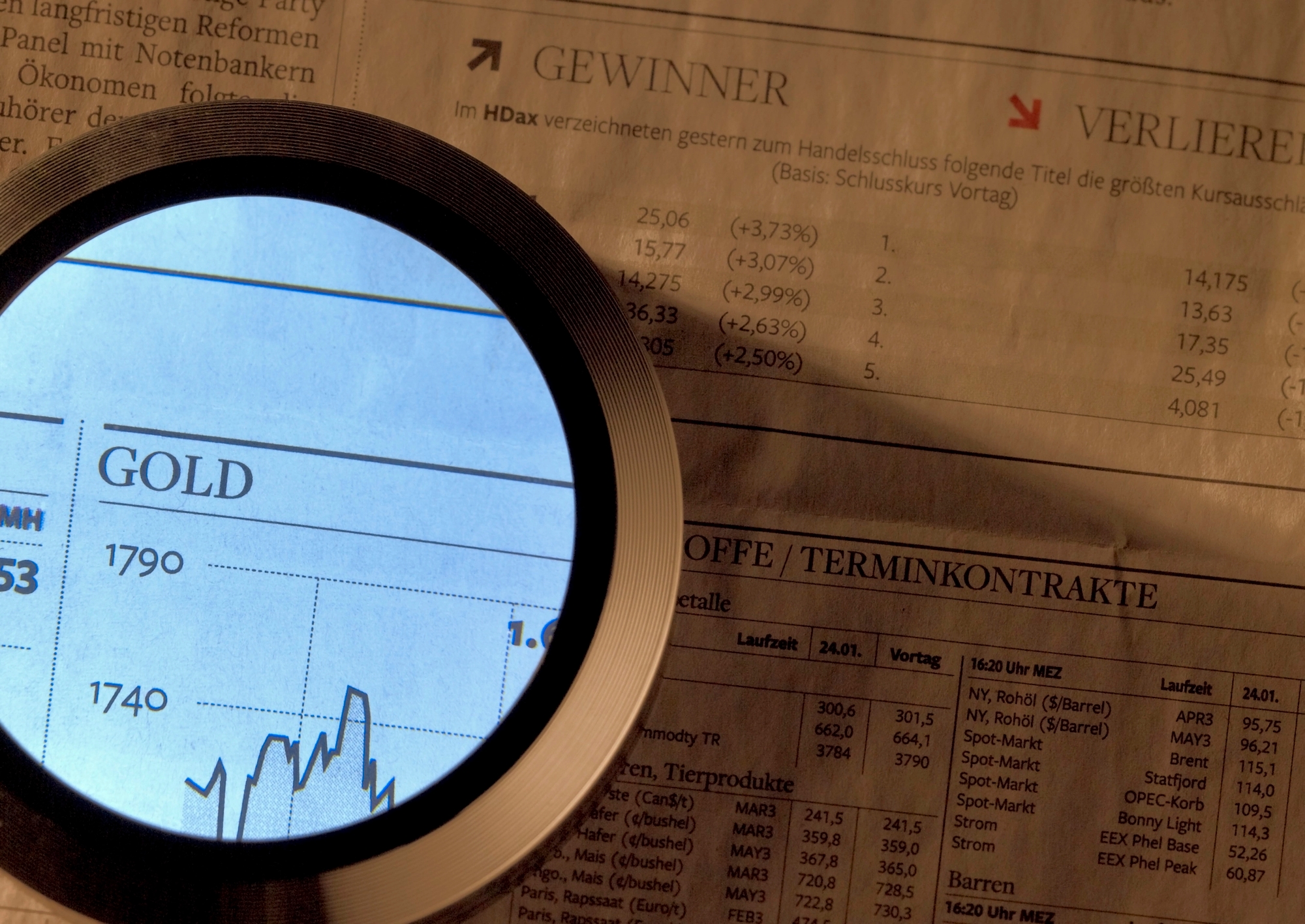


When people think about gold prices, they focus on the most obvious factors: festive demand, jewellery purchases, or whether the market is moving up or down. While these factors do influence prices to some extent, they are only part of the story.
Gold is a globally traded asset whose price is shaped by a complex mix of economic, financial, and geopolitical forces. Hence, the gold prices can rise or fall irrespective of local demand.
For buyers and traders, understanding these less-discussed influences can provide a clearer picture of why gold prices move and help them make more informed decisions.
US dollar
A major influencer in the changing price of gold is the value of the US dollar. As gold is priced in US dollars across the world, any major movement in the currency can impact the global demand.
A stronger dollar makes gold more expensive for buyers in other currencies. This can cut demand, which can lead to the price of gold falling. A weak dollar makes gold relatively less expensive for buyers abroad, which helps prices to rise.
Interest rates
Gold does not generate interest or dividends. Because of this, investors usually compare it with interest-bearing investments such as bonds or fixed deposits. When interest rates rise, these alternatives become more attractive, sometimes reducing investment demand for gold.
Conversely, when interest rates fall, the opportunity cost of holding gold decreases. Investors may then increase their allocation to precious metals, which can support prices.
Inflation expectations
Gold is viewed as a hedge against inflation, but many buyers misunderstand how this works.
It is not necessarily current inflation that moves gold prices. Sometimes, market expectations about future inflation also influence the gold price. If investors believe inflation will rise in the near future, then demand for gold may increase as people seek to preserve purchasing power.
Central bank activity
Central banks are among the largest holders of gold reserves in the world. Their buying and selling decisions can influence overall market sentiment.
When central banks increase gold reserves, it usually signals confidence in gold as a long-term store of value. Large-scale purchases can contribute to stronger demand and support prices.
Geopolitical events and market uncertainty
Gold has historically been considered a safe-haven asset when the uncertainty increases. Political tensions, military conflicts, economic instability, or major financial disruptions increase the financial instability and uncertainty.
This causes investors to move capital into assets perceived as relatively stable. This increase in demand for precious metals like gold and silver.
Supply chain factors
While all eyes focus on demand, supply-side developments can also affect gold prices. Gold mining is a long and costly process.
The supply levels may be impacted by the new discoveries, production challenges, labour issues or environmental regulations.
Domestic Factors
You will not get the gold at the globally traded rate because its value increases in the local market due to domestic factors. These factors include import duties, taxes, transportation costs, and currency exchange rates. These factors influence the final price that consumers pay.
In India, which relies heavily on imported gold, even a small change in exchange rates can have a major impact on domestic prices. This leads to local gold prices being higher than international gold prices.
For example, the gold rate in Bangalore may change due to local taxes, logistics costs, and currency fluctuations even when global gold prices remain relatively stable.
Summing up
Gold rates are affected by a range of factors. These factors are not limited to the local supply and demand. The main factors are the US dollar value, interest rates, inflation expectations, central bank activity, geopolitical developments, etc. While many traders and buyers look for the gold rate today and local supply-demand, experienced market participants also consider the global factors influencing gold prices.