







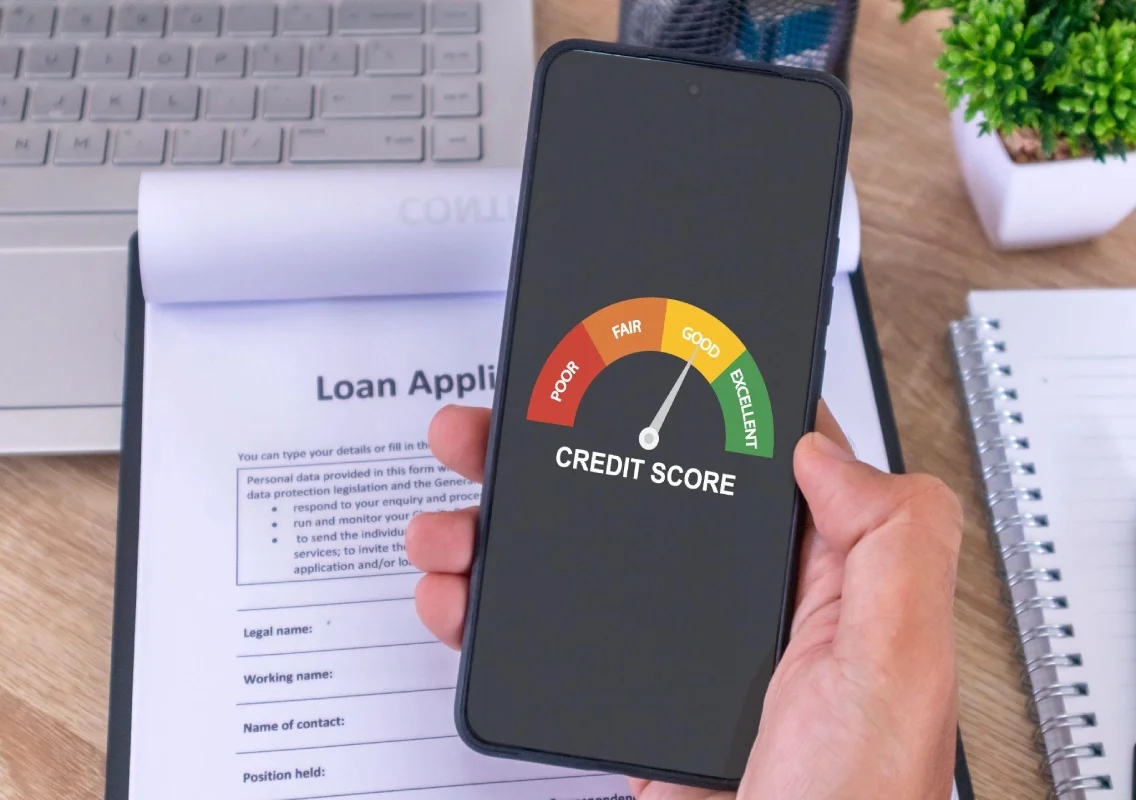


In India’s fast-moving economy, we often track stock market indices, GDP growth, and policy updates. Yet, for the average citizen, the single most powerful financial number is not found in the headlines, it is the one sitting quietly in your credit report: your Credit Score.
This three-digit figure is the invisible key that unlocks major financial milestones, from the rate you pay on your home loan in Bengaluru to the instant approval you receive for a new credit card. If you are serious about financial freedom, knowing how to improve your credit score is non-negotiable.
The direct benefits of reaching 750+ include:
- Lowest Interest Rates: Banks offer their best rates (for home loans, car loans, etc.) to borrowers with a 750+ score, saving you lakhs over the loan tenure.
- Higher Loan Eligibility: You are approved for larger loan amounts and often with faster processing times.
- Premium Credit Cards: Access to top-tier credit cards with better rewards, higher limits, and exclusive perks.
- Negotiating Power: A strong score gives you leverage to ask for better terms.
The truth is, ignoring your credit health means paying a “bad credit tax” in the form of higher interest for decades.
Step 1: Pay Bills on Time (The Foundation)
This goes without saying: payment history is the largest factor in determining one’s credit score. On-time repayment of personal loan EMIs, credit card bills, and other dues creates a positive track record. Automating payments or setting reminders ensures no due dates are missed.
Step 2: Check, Monitor, and Dispute
The next step is constant vigilance. Your score is fluid and can drop due to reporting errors you don’t even know about. You must perform a regular credit score check and review your full credit report. If you spot an error like a loan you already paid off, a missed payment that wasn’t missed, or a fraud entry, then you must raise a dispute immediately.
Step 3: Master the Credit Utilization Ratio (CUR)
This is the single biggest factor determining your score after payment history. Your CUR is the amount of credit you use divided by your total available credit. Keep your credit utilization below 30%. Ideally, aim for below 10%. If you have a ₹1,00,000 limit, try not to spend more than ₹30,000. Paying down your credit card balance before the statement generation date is a highly effective strategy.
Step 5: Leverage Technology
Gone are the days of manually tracking everything. The most strategic way to master how to improve your credit score is by using a dedicated Credit score app like FixMyScore.
This digital solution acts as your personal financial guide:
- It provides real-time tracking of your credit score.
- It analyzes your report to show you exactly why your score is what it is.
- It gives you personalized, daily action plans—from reminders to pay a specific card to flagging potential negative impacts before they hurt your score.
In today’s competitive financial world, the difference between a high-interest loan and a low-interest loan often comes down to 50 points on your credit score. Stop leaving money on the table. Start monitoring your credit strategically and unlock the financial opportunities that await every Indian with a Credit score 750+.