







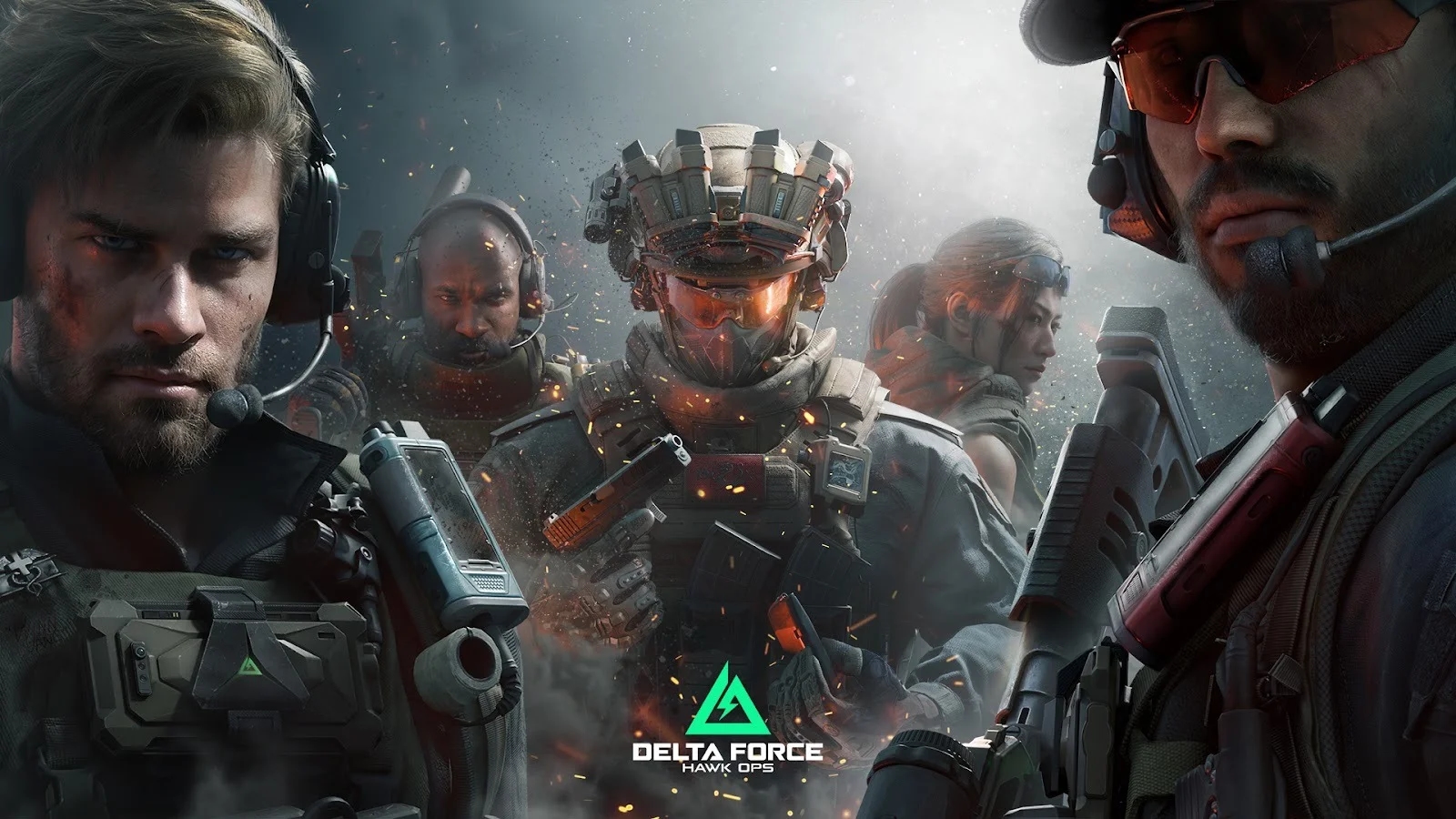


Delta Force is one of those shooters where teamwork actually matters. You can run around solo for a while, maybe win a few fights, but sooner or later, a coordinated squad will shut that down pretty quickly.
Players who move together and communicate even a little tend to control matches much more easily. A squad that watches angles, shares information, and revives teammates quickly becomes very difficult to push off an objective. Some players also top up Delta Force to unlock gear and upgrades earlier, which makes experimenting with different squad loadouts much easier.
Some matches honestly feel completely different once your team starts working together. So, keep on reading our Delta Force squad guide to have the edge for your next sessions!
Why Squad Play Matters in Delta Force
Stats say that a coordinated squad changes the pace of the entire match. When four players push together, even strong defenders can suddenly find themselves overwhelmed.
Scattered players rarely have that kind of impact. They win a duel here and there, but they struggle to hold objectives or maintain map control for long.
Assigning Roles Inside Your Squad
A squad where everyone plays the same way usually runs into problems. Four aggressive players rushing every fight might look exciting, but it often ends with the entire team getting wiped in seconds.
So, one thing to remember is that good teams naturally divide responsibilities during matches. One player scouts ahead, someone else holds mid-range angles, and another focuses on reviving or supporting when fights get messy, for example.
It does not need to be complicated at all. Sometimes, even a loose structure helps.
Staying Close Without Clustering
New squads often stick too close together. It feels safe at first, but one grenade or well-placed explosive can instantly punish that habit.
Spacing is important. Stay close enough to support each other, but not stacked on the same doorway or hallway.
Think of it like moving as a small formation instead of a single group. That small change alone makes ambushes much easier to survive.
Coordinating Attacks Effectively
A lot of squad fights are decided before the shooting even starts. Timing plays a bigger role than people think. When two or three teammates push a position at the same moment, defenders suddenly have several threats to deal with instead of just one.
That pressure forces mistakes. Someone turns the wrong direction, misses a reload window, or exposes themselves while trying to watch multiple angles.
Communication helps make these pushes much smoother. Even very simple callouts can prepare your squad before the fight begins.
Many experienced squads rely on a few small habits when they coordinate attacks:
- Countdown pushes so everyone moves at the same moment
- Hold crossfire angles instead of stacking on one doorway
- Block exits so enemies cannot slip away during the fight
- Focus fire on one player rather than damaging several targets
- Call out enemy movement as soon as you spot it
None of these tactics is complicated. But when a squad actually follows them, fights become much more controlled. Even well-defended positions start to look manageable.
Reviving and Supporting Teammates
Revives are easy to underestimate until you see a squad using them properly. Bringing one teammate back into the fight can instantly change the numbers in your favor.
Good teams protect each other during those moments. One player covers the angle while another handles the revive. Sometimes that small bit of teamwork is all it takes to swing the fight back.
Support actions matter more than people think. Dropping ammo, watching a flank, or simply holding a corner while someone heals keeps your squad alive longer during chaotic fights.
Controlling Objectives Together
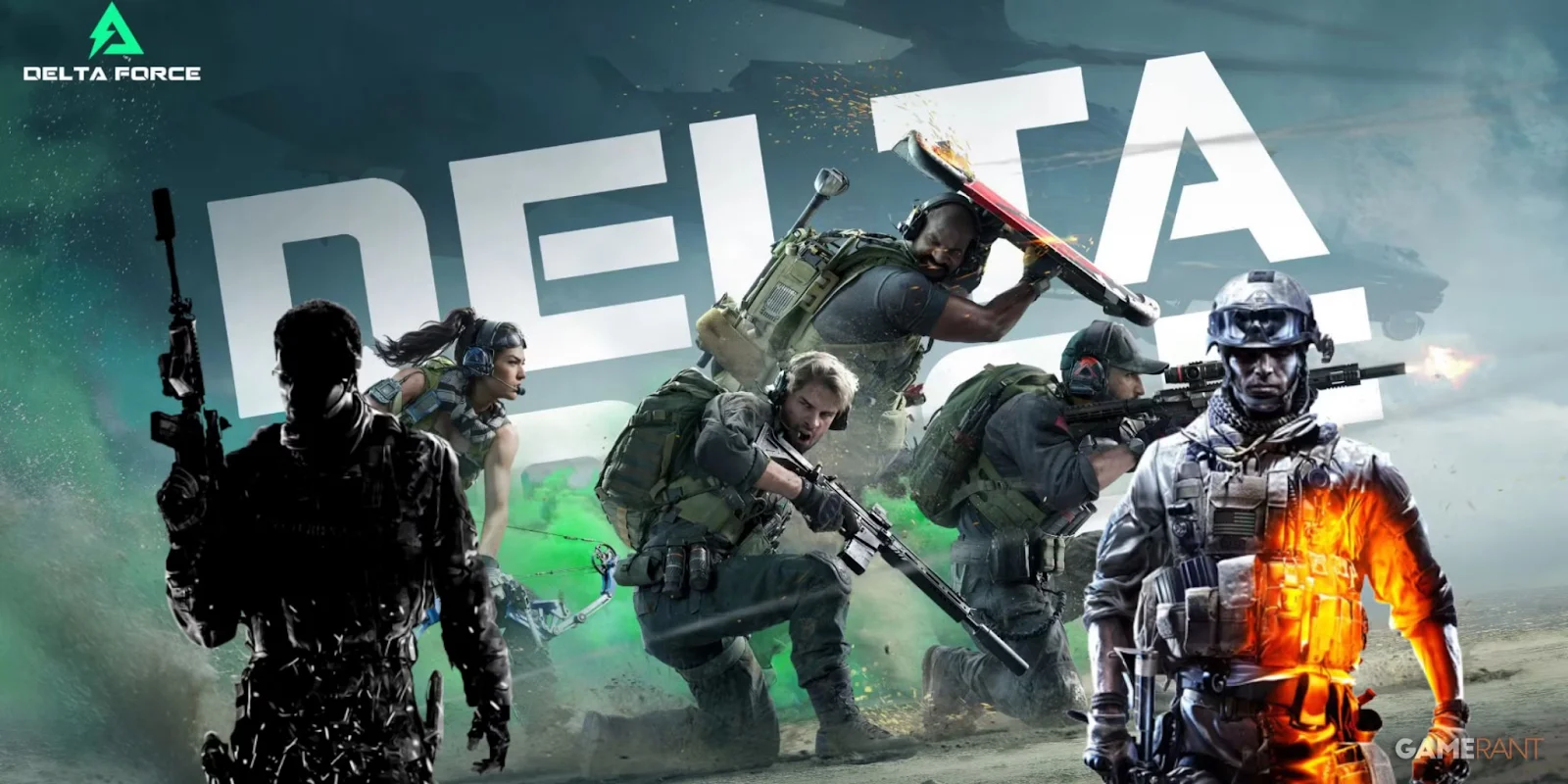
Most matches in Delta Force are decided around objectives. Capturing them is important, but holding them usually requires a bit more coordination.
Teams that arrive together tend to overwhelm defenders quickly. Players who trickle in one by one usually end up losing those same fights.
Try pushing objectives with at least two teammates whenever possible. One player can pressure the defenders while the other watches nearby angles or covers the approach.
Improving Your Loadouts Faster
Loadouts make a noticeable difference once you start playing more seriously. Better attachments, stronger weapons, and useful gear upgrades all make fights feel slightly easier. Some players also keep an eye on the latest Delta Force code to grab extra rewards that help them improve their equipment a little faster.
That approach lets squads experiment with different weapons and builds much earlier. And sometimes that experimentation is exactly what helps a team find its strongest playstyle.
Avoiding Common Squad Mistakes
Even good squads make mistakes, especially during chaotic matches. One of the most common ones is splitting up without realizing it.
Once teammates drift too far apart, enemies can pick them off individually. What looked like a strong push suddenly turns into several isolated fights.
Another issue appears around objectives. Some teams rush straight in without checking corners or watching nearby angles. Taking a few extra seconds to clear those spaces often prevents a very quick ambush.
Final Squad Strategy Tips
Getting comfortable as a squad takes time. At first, things might feel messy. Players push at different moments, callouts overlap, and fights become chaotic.
But after a few matches together, patterns start to form. Teammates learn each other’s habits. Someone naturally takes the lead during pushes, and another becomes the reliable support player.
Stick with it and keep communicating. Once a squad finds its rhythm, the game starts to feel a lot smoother, and those hard-fought wins become much more common.