


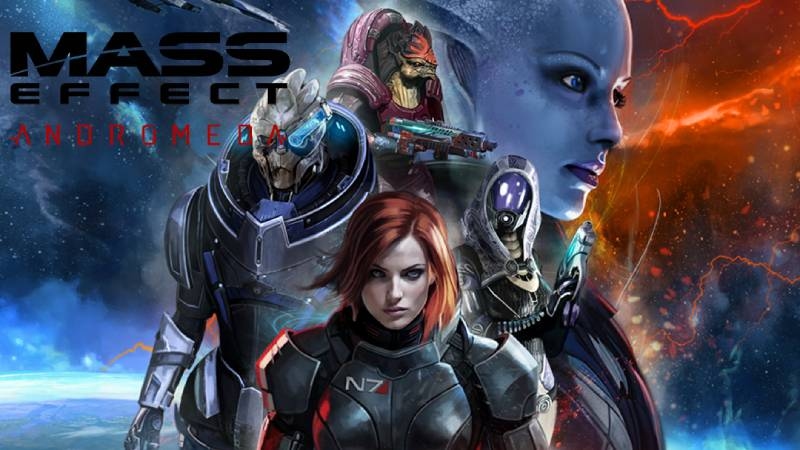


Canada: BioWare, the acclaimed video game studio behind the Mass Effect and Dragon Age franchises, has reportedly closed after 31 years in the industry. The Canadian developer, known for its complex storytelling and role-playing games, is among the casualties of parent company Electronic Arts’ (EA) wider restructuring, which includes around 400 job cuts across the business.
Founded in 1995, BioWare built a global following through games that allowed players to shape stories through decisions, relationships and branching narratives. Its closure marks a major moment for fans of story-driven gaming, particularly as the studio had been working on a new Mass Effect title.
EA said the decision was not taken lightly, describing BioWare as a legendary studio that helped define the role-playing genre. The company has said it plans to focus on fewer large-scale projects and prioritise key franchises as it reshapes its business.
BioWare’s legacy in role-playing games
Edmonton, Canada: BioWare was founded in 1995 and became widely recognised for developing role-playing games with detailed fictional worlds, memorable characters and choices that could influence how a story unfolded.
The studio’s first major breakthrough came in 1998 with the release of Baldur’s Gate, a role-playing game based on the rules and fantasy setting of Dungeons & Dragons. The title helped establish BioWare’s reputation and demonstrated the appeal of character-driven storytelling in computer games.
Over the following years, the developer expanded its influence with games that combined exploration, combat and player choice. Its projects attracted audiences who valued not only gameplay but also the ability to build relationships with characters and experience different narrative outcomes.
BioWare’s work became particularly influential during the late 2000s, when it developed the Mass Effect trilogy and continued building the Dragon Age franchise. Both series helped cement the studio’s standing among developers of narrative-focused games.
The studio’s approach influenced how players viewed role-playing games, particularly through its emphasis on decisions with consequences, dialogue choices and stories that extended across multiple instalments.
Mass Effect and Dragon Age defined an era
The Mass Effect series became one of BioWare’s most prominent creations. Set in a science-fiction universe, the franchise follows Commander Shepard and a group of companions as they confront threats to civilisations across the galaxy.
The games were praised for combining large-scale science-fiction storytelling with personal relationships and decisions that could affect characters and later events. The series also drew attention for including same-sex relationships, helping broaden representation in a major gaming franchise.
The character of Commander Shepard became especially recognisable among fans. Jennifer Hale and Mark Meer, who voiced the female and male versions of Shepard respectively, were among those who responded publicly to the reported closure.
The Dragon Age series offered a different experience, placing players in a fantasy world shaped by political conflict, magical forces and competing factions. Its appeal also rested on decisions that could influence relationships, alliances and the fate of characters.
However, the franchise’s later releases faced criticism from some long-time players who felt that the series had moved away from the complex moral choices and branching narratives associated with earlier titles.
Together, Mass Effect and Dragon Age helped establish BioWare as one of the most recognisable names in story-led gaming.
Anthem and The Veilguard struggled to meet expectations
Despite its earlier successes, BioWare faced difficulties as the video game industry evolved and expectations around large-scale productions increased.
In 2019, the studio released Anthem, a multiplayer-focused action game that represented a shift from the single-player, narrative-driven experiences for which BioWare was best known. The game failed to meet the expectations of many fans and critics, and its reception raised questions about the studio’s move towards a different style of game development.
BioWare followed it with Dragon Age: The Veilguard in 2024, the fourth main instalment in the fantasy series. The game had a lengthy development cycle, and its reception was mixed, particularly among some established fans.
Criticism centred on the perceived reduction in complex moral choices compared with earlier games in the franchise. For players who had come to associate BioWare with intricate narratives and consequential decisions, the changes became a point of debate.
The performance of these releases formed part of the wider challenges facing the studio. While the franchise’s legacy remained strong, recent projects did not achieve the commercial expectations required to sustain the same level of investment.
Fans and voice actors pay tribute
News of BioWare’s reported closure prompted an emotional response from members of the gaming community and people who had worked on its most popular titles.
Jennifer Hale and Mark Meer, the voice actors behind the two versions of Commander Shepard in Mass Effect, addressed fans during an Instagram livestream. Hale emphasised that the community created around the game would continue to preserve its legacy.
“BioWare lives on. Mass Effect lives on. We live on,” she said.
The pair ended the livestream by delivering Shepard’s familiar line, “I should go”, a moment that resonated with fans of the series.
The reaction highlighted the connection players had developed with the studio’s games over several decades. For many, BioWare’s influence extended beyond individual releases to friendships, fan communities and personal memories associated with its stories.
Mike Gamble, a BioWare project director involved with the Mass Effect franchise, also thanked fans and colleagues for their messages of support.
He said the words of encouragement for the studio, its legacy and its impact meant a great deal to the team.
Michał Nowakowski, co-CEO of CD Projekt Red, the Polish developer behind The Witcher series, also paid tribute to BioWare. He said the studio had been a major part of CD Projekt Red’s history and had shared its knowledge with the company since the work surrounding the release of Baldur’s Gate in Eastern Europe.
“Not a great day in the games industry,” Nowakowski wrote.
EA restructuring its business
BioWare’s closure comes as EA undertakes a broader review of its operations and development priorities. The company, known for franchises such as EA Sports FC, The Sims and Battlefield, said it had taken a hard look at its business and decided to concentrate on key titles and series.
In a message to staff published on its website, EA said it would pursue fewer simultaneous large-scale projects in the action-adventure category.
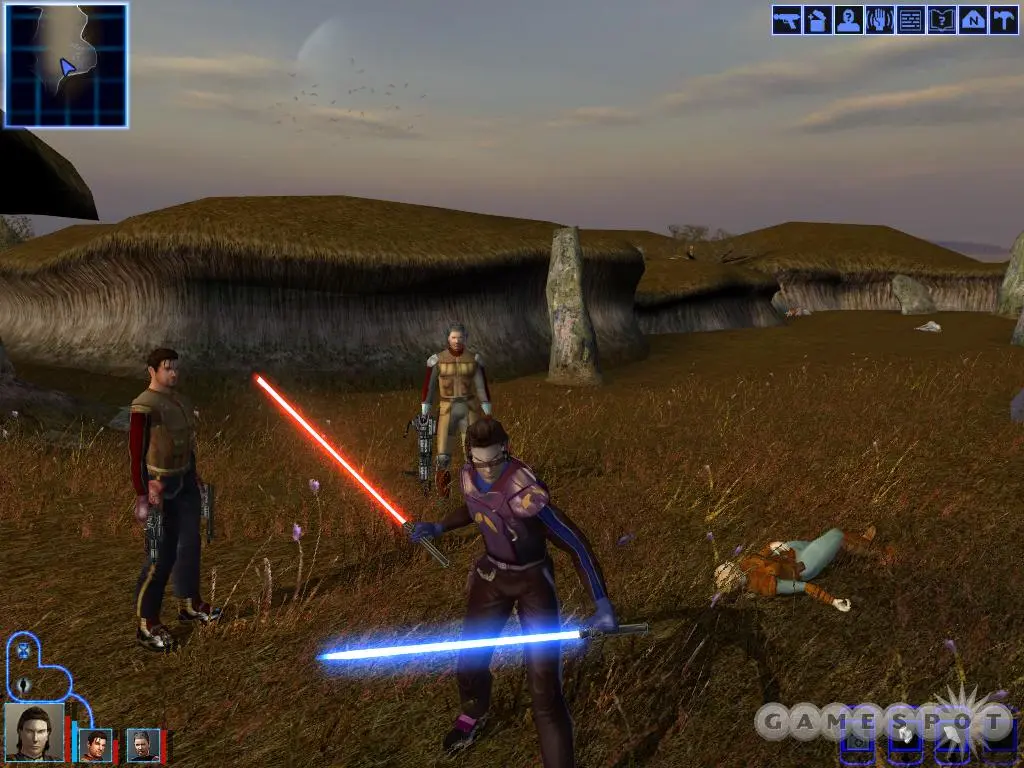
The company confirmed that work was continuing on a new Iron Man game and another title in the Star Wars Jedi series. It also outlined plans for projects under its EA Sports business, including an American football game code-named Project Gridiron that would focus on social play.
EA further said it was in the early stages of exploring a revival of its boxing simulation franchise Fight Night.
The company also reiterated its commitment to the long-term future of Skate and The Sims. However, its restructuring included the cancellation of a new The Sims project and job cuts at Full Circle, the studio developing Skate.
The changes indicate that EA is reassessing how it allocates resources across its portfolio, with a focus on selected franchises and fewer simultaneous major productions.
EA’s ownership deal adds to industry uncertainty
The restructuring follows a reported $55 billion acquisition of EA by a Saudi Arabia-led investor group. According to the source report, the transaction involved EA taking on around $20 billion in debt.
The financial obligations associated with such a deal can add pressure on a company to review spending, investment priorities and operating costs. However, the available information does not establish that the acquisition alone caused BioWare’s closure.
EA has presented its changes as part of a wider strategy to focus on major franchises and streamline development. The company has not attributed every individual cancellation or job reduction to a single factor.
The wider gaming industry has faced rising development costs, longer production schedules and growing competition for players’ time and spending. Large games can require years of work by extensive teams, making commercial performance an important factor in decisions about future investment.
What BioWare’s closure means for Mass Effect
BioWare had been working on a new Mass Effect game, leaving questions about the franchise’s future following the reported closure. EA’s statement about its restructuring did not, in the supplied information, provide a detailed update on the project’s development status or explain what would happen to the team responsible for it.
The future of the franchise will depend on EA’s subsequent decisions about development resources, staffing and project management.
BioWare’s legacy, meanwhile, remains tied to the games that helped establish its reputation. From Baldur’s Gate to Mass Effect and Dragon Age, the studio built a distinctive identity around player choice, memorable characters and stories shaped by decisions.
Its reported closure marks the end of a 31-year chapter for a developer that helped define modern role-playing games. Although the studio’s future is uncertain, the continued response from fans and industry figures shows that its influence is likely to remain part of gaming history.