







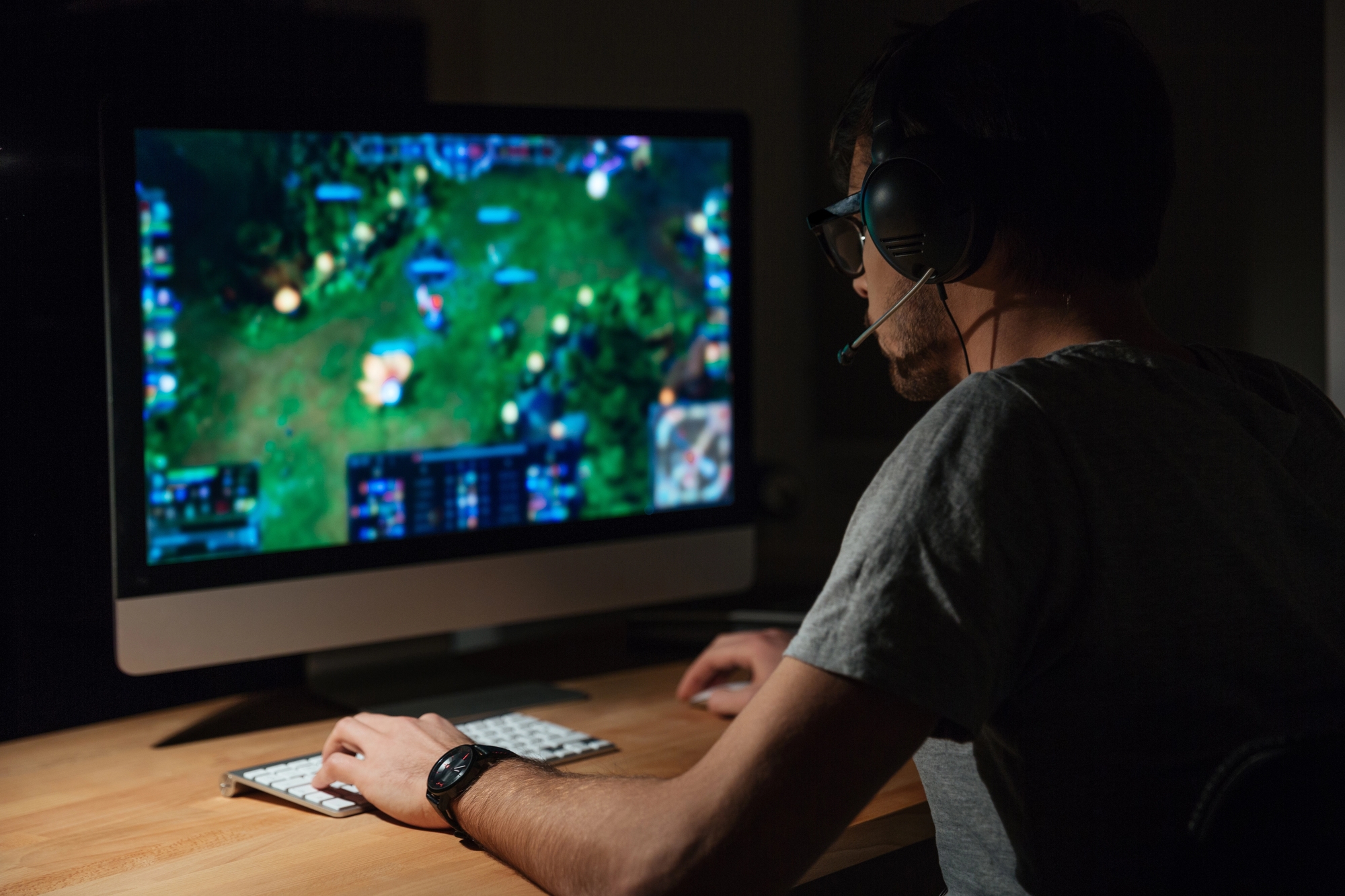


Online gaming safety India has become a mainstream digital concern for parents, gamers, schools and regulators. From mobile battle games and casual puzzle apps to gaming consoles, esports and online multiplayer games, more Indians are playing online than ever before. That growth brings entertainment, social interaction and digital skill-building, but it also brings scams, screen time concerns, in-game purchases, inappropriate content and risky online interactions.
The safest approach is not to treat every online game as dangerous. It is to understand the risks before installing, paying, chatting or sharing personal information. Readers researching gambling-style offers in jurisdictions where those products are legal and age-restricted can use FairGambling to compare current bonus code drops, partner-casino reward features and offer details before depositing, while Indian users should always follow local law and avoid prohibited online money games.
India’s new online gaming framework also makes safety more practical to discuss. The government’s Promotion and Regulation of Online Gaming Rules 2026 created a structure for classifying online games, identifying prohibited online money games and supporting a safer gaming ecosystem. For users, that means the old question of “is this platform popular?” is not enough. The better question is “is this platform lawful, transparent, age-appropriate and safe?”
Why Online Gaming Safety Matters In India
Gaming in India is mobile-first, social and fast-moving. Many users discover games through ads, influencers, friends, app stores or gaming community groups. A trusted recommendation can be helpful, but it can also make people skip basic checks. That is where unsafe platforms, fake promotions and phishing attempts find opportunities.
Online gaming risks usually appear in small steps. A player may join a new platform because it promises rewards. A child may accept a friend request from a stranger online. A gamer may click a free-skin link that steals login details. A parent may allow an online game without checking privacy settings, chat controls or spending limits.
Good internet safety habits protect users before harm happens. A safe online gaming experience depends on more than the game itself. It also depends on the operator, account security, payment design, community moderation, grievance support, parental controls and how responsibly the player manages gaming time.
For Indian readers, this topic is also connected to law. The current framework prohibits online money games while promoting esports and online social games. That distinction matters because some apps may still use gambling-style language, quick-money claims or confusing rewards to attract users.
Understanding The Online Gaming Market
The online gaming market is not one single category. It includes casual games, esports, educational games, social games, competitive titles, gaming consoles, mobile devices and multiplayer communities. Some online gaming platforms focus only on entertainment. Others include in-game purchases, paid upgrades, battle passes, skins or reward systems.
A basic way to understand the market is to separate games into three broad groups.
| Game type | What users should check | Main safety concern |
| Casual and social games | Age rating, ads, privacy settings and chat options | Inappropriate content, data sharing and excessive gaming |
| Esports and competitive games | Rules, moderation, anti-cheat systems and fair play | Toxic chat, account theft and pressure to spend |
| Real money style games | Lawfulness, payment rules and reward claims | Financial loss, scams and prohibited online money gaming |
This does not mean casual games are always safe or competitive games are always risky. It means users should match their safety checks to the type of platform they are using.
India’s Experience With Regulating Online Gaming
India’s regulation of online gaming has shifted from a fragmented environment toward a central framework. The Promotion and Regulation of Online Gaming Act, 2025 was designed to promote esports and online social games while prohibiting online money games. The 2026 Rules add more detail by creating the Online Gaming Authority of India and a process to determine whether an online game falls into a prohibited category.
For everyday users, the practical message is simple. A platform should not be trusted only because it looks professional, has influencers promoting it or appears in search results. Users should check whether the service is lawful, whether it clearly identifies the company behind it, and whether it has transparent support and grievance processes.
This is also where responsible gaming practices become important. Even a lawful game can still create harm if it encourages excessive gaming, hides spending prompts, fails to moderate abuse or makes it difficult for users to control their data.
Online Gaming Risks Indian Users Should Know
Online gaming risks can affect adults, teenagers and children in different ways. Some risks are technical. Others are financial, social or behavioural.
The most common risks include stolen accounts, phishing links, malware, fake customer support accounts, misleading reward claims, cyberbullying, online predators, toxic chat, inappropriate content and pressure to make in-game purchases. Younger users may also struggle to understand when a stranger online is manipulating them or when a reward system is designed to keep them playing longer than intended.
A healthy gaming environment should give users control. It should make privacy settings easy to find, give parents clear tools, allow users to mute or block strangers, explain purchases clearly and provide a way to report abuse.
When these protections are missing, users should treat the platform as a risk, even if the game is popular.
Common Scams In Online Gaming Platforms
Scams in online gaming often copy real gaming language. They may promise free coins, rare skins, tournament entry, exclusive codes, faster withdrawals or guaranteed rewards. The goal is usually to steal login credentials, payment details, personal information or money.
| Scam or red flag | What it may look like | Safer action |
| Fake login page | A link asks you to verify your gaming profile | Type the official site address yourself or open the app directly |
| Free reward trap | A message promises rare skins, coins or bonuses | Avoid unknown links and check official announcements only |
| Fake support account | Someone asks for OTPs, passwords or screenshots | Never share login codes or personal details |
| Unclear payment demand | A platform asks for extra fees to unlock winnings | Stop immediately and report the service |
| Pressure tactics | Claim-now timers or last-chance messages | Slow down and verify before acting |
Scammers depend on speed. Safe gaming depends on patience. Any platform or person pushing you to act quickly with money, passwords or personal information deserves extra scrutiny.
Major Red Flags In Online Gaming Services
A legitimate gaming platform should make basic trust signals easy to find. If a service hides who runs it, avoids clear terms or makes unrealistic promises, that is a warning sign.
Major red flags include unclear company ownership, no visible privacy policy, no customer support, copied content, fake reviews, aggressive bonus claims, no age controls, no responsible gaming tools and no clear rules for in-game purchases. Users should also be cautious if a platform encourages them to move conversations to private messaging apps or asks them to download files outside official app stores.
Another red flag is a platform that mixes entertainment language with real money promises. Phrases such as guaranteed income, risk-free winnings, double your money or instant cash every time should be treated carefully. In India, online money games are prohibited, and users should avoid services that appear to operate outside the law.
How To Verify A Gaming Platform
Before installing an online game, creating an account or making a payment, users should run a quick verification check. This is especially important for new gaming platforms that appear through ads or social media.
Start with the basics. Check the developer name, official website, app-store listing, user reviews and update history. Read reviews carefully, not just the rating. Look for repeated complaints about withdrawals, account bans, hidden fees, poor moderation or unresponsive support.
Then check the platform’s safety tools. Does it allow two-factor authentication? Can users control privacy settings? Are chat controls visible? Can parents restrict spending or communication? Is there a reporting system for abuse or exploitation?
A useful verification habit is to judge a platform by safety, moderation, fairness and support rather than by ads or popularity alone. Newskarnataka has also covered these trust signals in its guide to safety, moderation and fairness, which makes it a natural internal reference for readers comparing gaming environments.
A safer platform should also explain how it handles personal information. If a gaming service collects location data, payment details or identity documents without a clear reason, users should pause. Sharing personal information should never be casual.
In-Game Purchases And Payment Safety
In-game purchases can be harmless when they are clear, optional and controlled. Many games sell cosmetic items, passes, avatars, extra levels or convenience features. The problem begins when spending is hidden, confusing or designed to exploit impulse behaviour.
Parents should pay special attention to saved cards, UPI mandates, one-tap purchases and auto-renewing subscriptions. Children may not understand that virtual coins or skins represent real money. Even teenagers can overspend when limited-time offers create pressure.
A safer payment setup includes purchase passwords, spending caps, disabled one-click buying and regular checks of account history. Parents should also explain that free games may still earn money through ads, data collection or in-game purchases.
For adults, the same principle applies. Treat every purchase as real spending. Do not chase losses, do not pay to recover an account through unofficial channels, and do not send money to strangers who claim they can unlock rewards.
Protect Your Child In Multiplayer Environments
To protect your child online, focus on communication before control. Children are more likely to report uncomfortable online interactions when they know they will not be punished automatically for speaking up.
Parents can start by playing alongside their child for a short time. This reveals how the online game works, who can communicate, what chat looks like, whether voice features are enabled and whether strangers online can send friend requests. It also helps parents understand the gaming world instead of only fearing it.
Use privacy settings to limit contact from unknown users. Disable open voice chat for younger children. Set rules for gaming profiles, usernames and avatars so they do not reveal real names, school names, location, phone numbers or personal details.
The best child safety approach combines open communication, clear gaming rules and active monitoring. That does not mean watching every second of gameplay. It means knowing which games your child plays, who they play with, how they respond to conflict and whether gaming is affecting sleep, schoolwork or physical activity.
Screen Time Guidelines For Healthy Gaming
Screen time is not only about counting minutes. It is about balance. A child who games after homework, sleeps well, stays physically active and has offline friendships is in a different situation from a child who hides gameplay, skips meals, avoids schoolwork and becomes distressed when asked to stop.
Families should create rules that match age and maturity. Younger children need tighter limits and more supervision. Older children and teenagers need boundaries, but they also need to understand why those boundaries exist.
A practical plan may include no gaming during meals, no devices in the bedroom at night, breaks after long sessions, homework before gaming and at least one offline activity each day. Parents should also model healthy behaviour with their own mobile devices.
For adults, managing screen time matters too. Long gaming sessions can affect sleep, work, relationships and mood. Safe gaming is easier when play has a start time, stop time and budget.
Preventing Online Gaming Addiction
Online gaming addiction is not the same as enjoying games. Many gamers play regularly without harm. The concern begins when gaming becomes difficult to control and starts replacing health, education, work, family life or social interaction.
Warning signs include lying about gaming time, losing interest in other activities, becoming angry when interrupted, spending more money than planned, playing late into the night, ignoring responsibilities and continuing despite negative consequences.
Prevention is easier than recovery. Set gaming time limits before a session begins. Take breaks. Keep devices out of the bedroom during sleep hours. Avoid using gaming as the only reward or stress relief. Build other routines around physical activity, study, work, hobbies and family time.
Gaming companies also have a role to play. Responsible gaming practices should include reminders, spending controls, age checks, reporting tools and designs that do not push vulnerable users toward excessive gaming.
If Gaming Disorder Has Developed
Gaming disorder is generally discussed as a pattern where a person loses control over gaming, gives gaming increasing priority over other activities, and continues despite serious negative consequences. This does not mean every heavy gamer has a disorder. It means harm, loss of control and life disruption matter.
If gaming disorder appears to have developed, families should avoid shame-based reactions. Sudden bans, insults or threats can push the problem underground. A better first step is calm documentation. Track sleep, school or work impact, spending, mood changes and failed attempts to cut down.
Professional support may be needed when gaming causes serious distress, academic decline, job problems, relationship breakdown, financial harm or withdrawal from daily life. Mental health professionals can help identify whether gaming is the main issue or whether anxiety, depression, loneliness or stress is also involved.
Gaming To Gambling Understanding The Risks
The line between gaming and gambling can become blurred when games include real money, wagering-style mechanics, paid entries, chance-based rewards or aggressive prize claims. Indian users should be especially careful because online money games are prohibited under the current framework.
Even outside India, where certain gambling products may be legal for eligible adults, users should never treat bonuses or rewards as guaranteed value. Terms can change, eligibility may vary, and offers can include wagering rules, expiry windows or location restrictions. In permitted jurisdictions, tools such as Fair Gambling can help users compare current bonus code drops, wager share options of up to 30 percent where available, linked-casino leaderboard features and offer details before depositing, but that research should always come after checking local law and personal affordability.
The safest principle is simple. If an online experience asks for money and promises financial reward, slow down. Check legality, read the terms, set a budget and be prepared not to play.
Safe Gaming Tips For Indian Users
Safe online gaming is built through small habits repeated consistently.
| Safety area | What to do | Why it matters |
| Account security | Use strong passwords and two-factor authentication | Helps prevent account theft |
| Privacy | Limit profile details and adjust privacy settings | Reduces exposure to strangers online |
| Payments | Disable one-click buying and review transactions | Prevents accidental or impulsive spending |
| Downloads | Use official app stores and verified websites | Reduces malware and phishing risk |
| Behaviour | Take breaks and manage screen time | Supports healthier gaming practices |
| Reporting | Block, mute and report abusive users | Improves the gaming environment |
Users should also read reviews before installing, keep software updated, avoid sharing personal details in chat and never share OTPs or passwords. A platform that cannot protect users, moderate abuse or explain its terms clearly should not be trusted.
Building A Safe Gaming Environment At Home
A safe gaming environment is not only a technical setup. It is a family culture. Children should know what they can play, when they can play, who they can talk to and what they should do if something feels wrong.
Parents should create gaming rules that are short, visible and easy to remember. For example, no real names in gaming profiles, no private chats with unknown adults, no purchases without permission, no downloads outside official stores and no gaming after bedtime.
The play-alongside-your-child method is especially useful. It gives parents a realistic view of the platform and helps children feel supported rather than spied on. It also creates chances to discuss sportsmanship, online safety, privacy and how to respond to toxic behaviour.
For adult households, the same idea applies in a different way. Discuss spending limits, shared device security and healthy routines. Gaming should add enjoyment, not create secrecy, conflict or financial pressure.
Ethical Gaming Practices In India
Ethical gaming practices in India should protect users first. That means clear terms, lawful operations, fair design, strong moderation, responsible advertising and transparent grievance handling.
Gaming companies should avoid misleading users with exaggerated rewards or pressure tactics. They should make it easy to understand in-game purchases and should provide tools to manage gaming time. If a game has social interaction, it should also have moderation standards, reporting systems and consequences for abuse.
Users also have responsibilities. Do not harass others, cheat, buy stolen accounts, share pirated game files or encourage minors to bypass age restrictions. A healthy gaming community depends on both platform design and player behaviour.
The Future Of Safe Online Gaming Services In India
The future of safe online gaming services in India will likely depend on three things. The first is regulation that clearly separates permissible online social games and esports from prohibited online money games. The second is better platform design, including privacy-first defaults, age-appropriate features, spending controls and stronger moderation. The third is user education.
As the Indian gaming ecosystem matures, safety may become a competitive advantage. Players will prefer platforms that explain rules clearly, protect accounts, moderate communities and respect user limits. Parents will be more comfortable with games that give them visibility and control. Regulators will expect companies to show responsibility, not just growth.
Safe gaming is not anti-gaming. It is the foundation that allows gaming to grow without harming users.
FAQs About Online Gaming Safety India
Is it safe to play online games in India?
Yes, many online games can be safe when they are lawful, age-appropriate and played with good privacy, payment and screen time controls. Users should avoid prohibited online money games, suspicious links, fake platforms and services that hide their company details or terms.
Is online gaming regulated in India?
Yes. India now has a central framework under the Promotion and Regulation of Online Gaming Act, 2025 and the Promotion and Regulation of Online Gaming Rules, 2026. The framework promotes esports and online social games while prohibiting online money games.
Is Dream11 still legal in India?
Dream11 should be judged by the specific feature being used and the current law that applies to it. After India’s 2025 online gaming framework, users should not assume paid or real-money contests are available or permitted. Free-to-play social features are different from prohibited online money games, but users should still check the official terms and avoid any contest that requires payment for a chance to win money.
What is the 40 second rule in gaming?
The 40 second rule is commonly discussed as a game design idea about keeping players engaged with frequent actions, rewards or decisions. It is not an Indian legal safety rule. Users should be cautious when any platform uses urgency or timers to pressure quick decisions.
What are the key safety measures for online gaming in India?
The key safety measures include using official app stores, checking platform legitimacy, protecting personal information, enabling two-factor authentication, managing screen time, limiting in-game purchases, adjusting privacy settings and avoiding real money games prohibited under Indian law.
How can parents ensure their children’s safety while gaming online?
Parents can ensure safety while gaming by checking age ratings, playing alongside the child, disabling open chat where needed, setting spending controls, reviewing privacy settings, managing screen time and keeping open communication about uncomfortable online interactions.
What are the risks associated with online gaming such as addiction or scams?
Common risks include excessive gaming, gaming disorder, phishing, account theft, fake rewards, cyberbullying, online predators, inappropriate content, accidental purchases and exposure to unsafe online communities.
How can I identify a safe and legitimate online gaming platform in India?
Look for clear company details, official app-store listings, transparent terms, visible privacy policies, secure payment controls, user reviews, moderation tools, grievance support and lawful operation. Avoid platforms that promise easy money, hide ownership or pressure users to deposit quickly.
Are all new gaming platforms unsafe?
No. New platforms are not automatically unsafe. However, users should verify them more carefully because they may have fewer reviews, weaker trust signals or untested support systems.
What should I do if I find a suspicious platform?
Stop using it, avoid sharing more information, take screenshots, block suspicious accounts, change passwords if needed and report the platform through official app-store, payment or cybercrime channels.
What Players And Parents Should Remember
Online gaming can be fun, social and even educational when it is approached with care. The goal is not to remove gaming from Indian homes. The goal is to make gaming safer, clearer and healthier.
Players should verify every platform before trusting it. Parents should protect children through communication, settings and age-appropriate rules. Adults should manage money, screen time and expectations. Everyone should treat quick-money claims, unknown links and pressure tactics as red flags.
The strongest safety habit is to pause before acting. Before installing, paying, chatting, sharing or clicking, ask whether the platform is lawful, transparent and respectful of users. That simple pause can prevent many of the most common online gaming risks in India.