







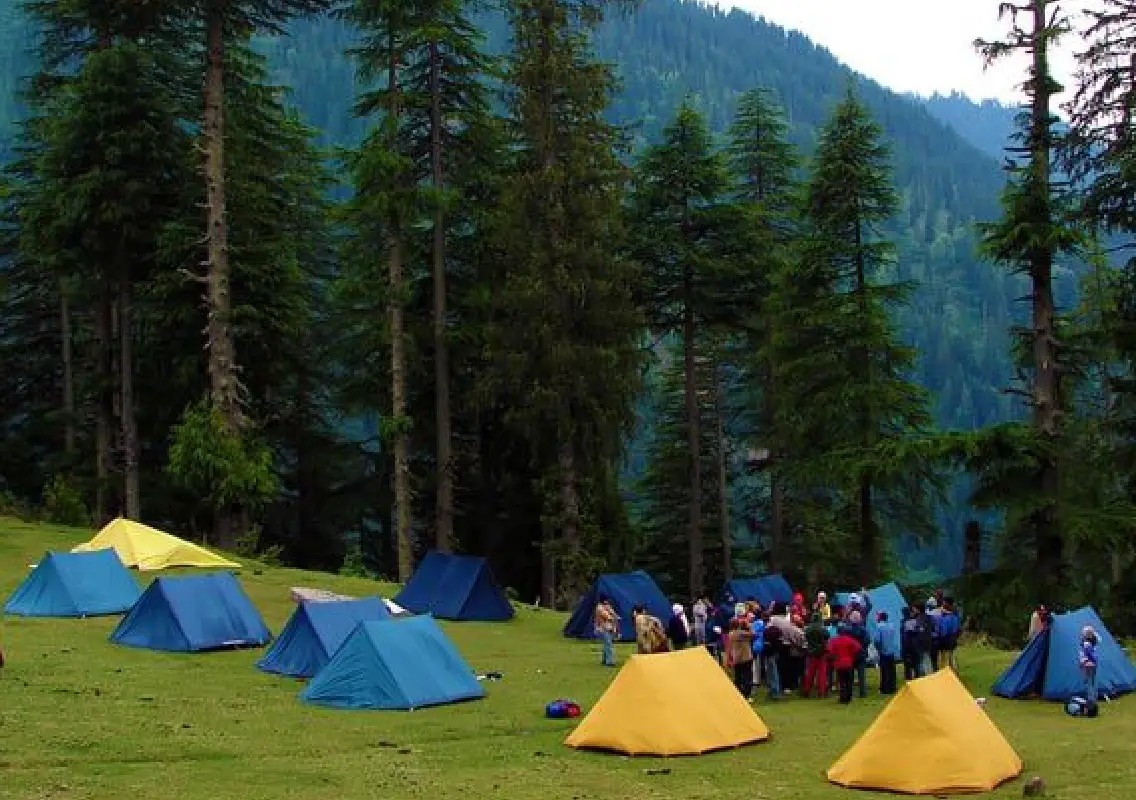


New Delhi : India’s remarkable geographical diversity makes it an ideal destination for travellers looking to spend a night under the stars. From snow-covered Himalayan landscapes and alpine meadows to golden desert dunes, dense forests and tropical beaches, camping offers an opportunity to experience some of the country’s most scenic destinations at a slower pace.
For travellers seeking a break from crowded cities and conventional holidays, camping can combine adventure, nature and tranquillity. The country offers options ranging from mountain camps and forest stays to desert camping and coastal escapes. (indianexpress.com)
Here are 10 destinations highlighted for memorable camping experiences.
Spiti Valley, Himachal Pradesh
Spiti Valley is known for its dramatic high-altitude landscape, barren mountains and clear skies. Located in Himachal Pradesh, the cold desert region provides an atmospheric setting for travellers looking for a remote camping experience.
The valley’s rugged terrain and sparse settlements create a strong sense of isolation. Nights can offer spectacular views of the stars, while the surrounding mountains provide a striking backdrop during the day.
Camping in Spiti is particularly suited to travellers who enjoy adventure and are comfortable with high-altitude conditions.
Rishikesh, Uttarakhand
Rishikesh combines riverside scenery with outdoor adventure. Camps along the Ganga provide travellers with an opportunity to stay close to nature while enjoying activities associated with the region.
The destination is particularly popular among younger travellers and adventure enthusiasts.
River rafting, trekking and other outdoor activities can be combined with a camping stay, making Rishikesh an attractive option for those looking for an active holiday.
Jaisalmer, Rajasthan
For a completely different experience, the desert around Jaisalmer offers camping among golden sand dunes.
Desert camps near the city provide visitors with opportunities to experience Rajasthan’s landscape after sunset, when temperatures become more comfortable.
Traditional cultural performances, music and local cuisine are often part of desert camp experiences, allowing travellers to combine an overnight stay with an introduction to the region’s cultural traditions.
Coorg, Karnataka
Coorg, or Kodagu, offers a very different camping environment, with green hills, coffee plantations, forests and streams.
The Karnataka hill region is well suited to travellers who prefer a cooler climate and lush surroundings rather than the stark landscapes of the Himalayas or desert.
Camping in and around Coorg can provide opportunities for trekking, nature walks and exploring the area’s plantation landscape.
Its accessibility from several cities in Karnataka also makes it a popular choice for weekend trips.
Tirthan Valley, Himachal Pradesh
Tirthan Valley is known for its river, forests and mountain scenery. Located near the Great Himalayan National Park, the valley provides a quieter alternative to some of Himachal Pradesh’s better-known tourist destinations.
Campers can enjoy the natural surroundings through walks, trekking and time spent beside the river.
The destination is particularly appealing to travellers seeking a peaceful mountain escape away from heavily developed tourist centres.
Wayanad, Kerala
Wayanad offers camping amid Kerala’s Western Ghats landscape.
The region is characterised by forests, hills, plantations and waterfalls, creating a rich natural setting for outdoor stays.
Travellers can combine camping with nature walks and exploration of the area’s scenic attractions. The destination is particularly attractive for those who prefer green landscapes and a tropical environment.
Pangong Lake, Ladakh
Pangong Lake is one of Ladakh’s most recognisable landscapes. Surrounded by rugged mountains, the high-altitude lake offers a dramatic setting for an overnight stay.
The lake’s changing colours and stark surroundings make it a favourite among photographers and nature enthusiasts.
However, because of its extreme altitude and cold conditions, travellers need to take appropriate precautions and allow time for acclimatisation before spending a night in the region.
Rann of Kutch, Gujarat
The white salt desert of the Rann of Kutch offers one of India’s most unusual camping landscapes.
During the cooler months, visitors can stay in tented accommodation and explore the vast salt flats.
The region becomes especially lively during the Rann Utsav, when cultural events, handicrafts, music and local food add another dimension to the desert experience.
The contrast between the white landscape during the day and the expansive night sky makes the Rann particularly memorable.
Jim Corbett, Uttarakhand
For travellers drawn to forests and wildlife, the Jim Corbett region provides an opportunity to stay close to nature.
The landscape around the national park includes forests, rivers and grasslands that support a wide range of wildlife.
Camping experiences in the area can be combined with nature activities and, where permitted, wildlife safaris.
Visitors should follow park rules and local guidance, particularly because the region is home to wild animals.
Gokarna, Karnataka
Gokarna provides a coastal alternative to mountain and forest camping.
The Karnataka destination is known for its beaches, coastal landscape and relaxed atmosphere. Camping near the coast can allow travellers to wake up to views of the Arabian Sea and spend evenings outdoors.
For travellers from southern India, Gokarna can be an appealing option for combining a beach holiday with an outdoor stay.
The coastal environment also provides opportunities for walks, photography and enjoying sunsets by the sea.
Choosing the right camping experience
India’s camping destinations vary dramatically in climate, terrain and accessibility. A traveller choosing between them should consider the season, weather conditions and level of physical activity involved.
High-altitude destinations such as Spiti Valley and Pangong Lake require particular attention to acclimatisation and cold-weather preparation. Desert destinations can have large differences between daytime and night-time temperatures, while forest and coastal destinations require travellers to consider monsoon conditions.
Responsible travel is equally important. Campers should minimise plastic waste, avoid disturbing wildlife and follow local environmental guidelines.
A night closer to nature
Camping offers more than simply an alternative form of accommodation. It allows travellers to experience landscapes during the quieter hours of the day, when the absence of city lights can reveal a spectacular night sky.
Whether it is a tent beside a Himalayan river, a desert camp surrounded by sand dunes, a forest campsite in the Western Ghats or a coastal stay overlooking the Arabian Sea, India’s diverse geography offers an extraordinary range of outdoor experiences.
For travellers planning their next getaway, these destinations provide opportunities to exchange hotel rooms and crowded tourist spaces for tents, open skies and closer contact with nature