







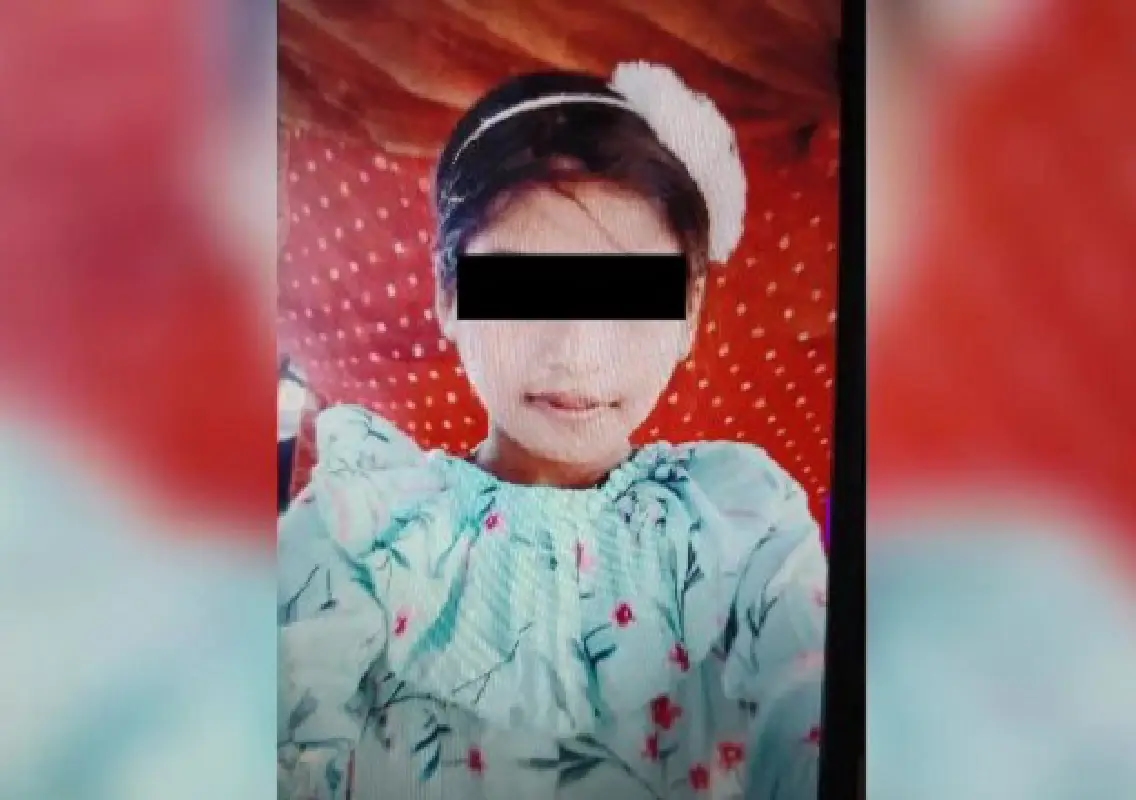


In a deeply distressing incident, a 12-year-old girl from Champagarh Sahi in Balanga area of Odisha’s Puri district died on Saturday night following complications linked to a prolonged and severe lice infestation, highlighting serious gaps in health awareness and early intervention.
Months-long infestation went untreated
The deceased has been identified as Laxmipriya Sahu. According to her family, she had been suffering from lice infestation for several months. Despite attempts at treatment, her condition did not improve. Over time, her health deteriorated, and she reportedly stopped going out due to the strong odour caused by the infestation.
Family members said the child began hiding her condition, possibly out of fear and embarrassment, and remained largely withdrawn in the weeks leading up to her death.
Health condition worsened rapidly
Three days before her death, Laxmipriya reportedly vomited blood, alarming her family. She was immediately rushed to a hospital in Puri, where doctors attempted treatment. However, her condition continued to worsen, and she succumbed on Saturday night.
Medical officials are yet to issue a detailed report on the exact cause of death, but the family believes complications arising from the prolonged lice infestation played a critical role.
Emotional distress and social stigma
The girl’s parents said that even school teachers had advised that her head be tonsured to manage the infestation. However, the child reportedly resisted the idea and would cry, making it difficult for the family to proceed. The parents said no one wanted to force her, unaware of how serious the situation could become.
The incident has sparked concern among residents and health workers, as head lice are generally considered treatable but can become dangerous if neglected, especially when accompanied by infection, anaemia, or poor nutrition.
Call for awareness and early care
Health experts stress that lice infestations, particularly among children, must be addressed promptly with proper medical guidance. The tragedy underscores the need for greater awareness in schools and communities, early medical intervention, and sensitive handling of children facing health-related stigma.