









The Adani Group has announced its entry into the Battery Energy Storage Systems (BESS) sector, unveiling plans to construct India’s largest and one of the world’s biggest single-location energy storage projects at Khavda in Gujarat. The massive project, expected to be completed by March 2026, will mark a major milestone in India’s clean energy transition.
Adani Group’s major BESS initiative
According to a company statement released on Tuesday, the BESS project will feature a power capacity of 1,126 megawatts (MW) and an energy capacity of 3,530 megawatt-hours (MWh). This means the system can store and supply 1,126 MW of power for approximately three hours — enough to significantly stabilise grid operations and support renewable integration.
More than 700 battery containers will be deployed, making it the largest BESS installation in India and among the biggest globally at a single location. Once operational, the Khavda site will also become the world’s largest combined renewable energy and storage park, strengthening India’s position in the global clean energy landscape.
‘Energy storage is key to sustainability’: Gautam Adani
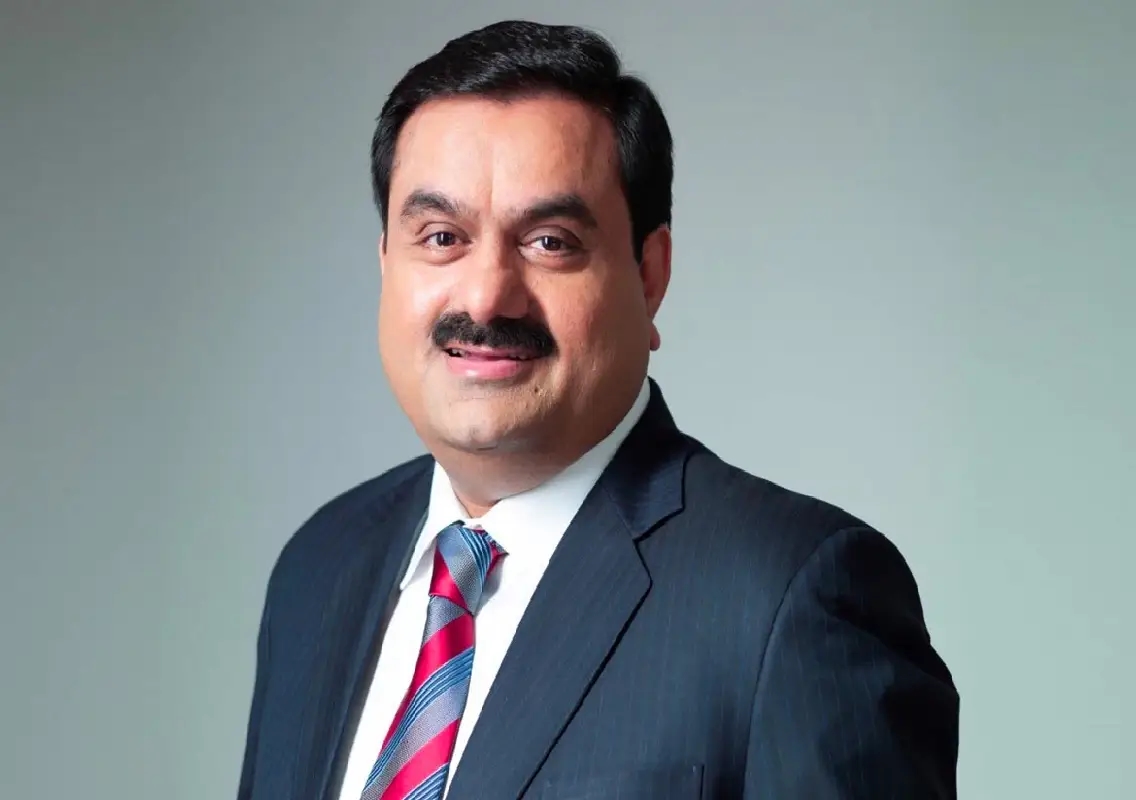
Commenting on the development, Gautam Adani, Chairman of the Adani Group, said, “Energy storage is the cornerstone of a renewable-powered future. With this historic project, we are not only setting global benchmarks but also reinforcing our commitment to India’s energy independence and sustainability. This initiative will enable us to deliver reliable, clean, and affordable energy solutions at scale.”
He added that the project is designed to meet India’s growing demand for sustainable power while contributing to the country’s long-term net-zero goals.
Advanced technology for a renewable-powered future
The project will deploy advanced lithium-ion battery technology along with intelligent energy management systems to maximise efficiency and reliability. These technologies will help manage electricity demand during peak hours, shift energy use across different times of day, and reduce carbon emissions by optimising renewable energy utilisation.
The system will also improve grid stability and help provide 24×7 renewable power, making renewable sources more dependable. This will be crucial for industries, cities, and rural areas that rely increasingly on green power.
Expansion plans to boost India’s storage capacity
Adani Group has ambitious expansion goals for its energy storage portfolio. The company plans to add 15 gigawatt-hours (GWh) of energy storage capacity by March 2027, and aims to reach 50 GWh within the next five years.
“This plan shows the Group’s strong commitment to building a modern, clean, and reliable energy system that supports India’s net-zero and climate goals,” the statement said.
BESS sector gaining momentum in India
The announcement marks Adani’s formal entry into the rapidly expanding battery energy storage market, a crucial component of India’s renewable energy mission. As solar and wind energy generation increases, large-scale battery systems have become essential for maintaining grid balance and ensuring consistent power supply.
According to a Bloomberg report, India’s total battery storage capacity is expected to reach around 800 MW by the end of 2025. However, to meet its ambitious goal of 500 GW of clean power capacity by 2030, the country will need to accelerate battery deployments substantially.
Experts say that large-scale BESS installations like Adani’s Khavda project will play a pivotal role in bridging the gap between renewable energy generation and consumption, reducing reliance on fossil fuels, and stabilising India’s power infrastructure.
With this project, the Adani Group joins the ranks of global energy leaders investing heavily in next-generation energy storage systems — a sector increasingly recognised as the backbone of sustainable energy solutions.