







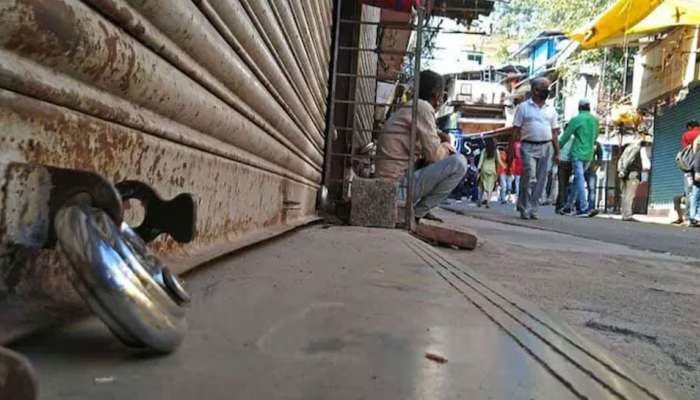


The All India Muslim Personal Law Board (AIMPLB) has postponed its proposed Bharat Bandh that was scheduled for October 3, 2025. The bandh call, initially announced as a protest against the Uniform Civil Code (UCC) and alleged targeting of minorities, has been deferred after consultations with religious scholars and community leaders.
Decision to postpone the bandh
According to the AIMPLB, the bandh was aimed at expressing discontent over the Centre’s push for implementing the UCC, which the board claims threatens India’s diversity and undermines constitutional safeguards for religious minorities. However, senior functionaries said the board decided to put the protest on hold after feedback from regional units suggested more time was required for coordination.
AIMPLB spokesperson Maulana Khalid Saifullah Rahmani clarified that while the opposition to the UCC remains firm, the bandh will be rescheduled after broader discussions within the community. “We will not compromise on issues concerning religious freedom and constitutional rights. But at the same time, we believe large-scale protests must be organised with preparedness, consensus and discipline,” he said.
Wider consultations in progress
The board stated that prominent Muslim organisations, clerics and community representatives are being engaged in dialogue to arrive at a collective strategy. Discussions have also involved outreach to other minority groups and civil society organisations that share concerns about the implications of the UCC.
Sources said that several state units of AIMPLB had expressed logistical difficulties in mobilising on October 3, especially in states where law-and-order sensitivities are high. Community elders advised that deferring the bandh would allow for more measured planning and avoid the risk of confrontations.
Political reactions
The postponement has triggered mixed reactions in political circles. Leaders from opposition parties said it showed maturity on the part of AIMPLB to defer the protest until broader consensus emerges. Meanwhile, ruling party leaders dismissed the move as a “delaying tactic” and reiterated that the government remains committed to implementing the UCC in the interest of “equality and justice.”
Several regional parties, particularly in Uttar Pradesh and Bihar, have urged AIMPLB to continue its opposition but avoid steps that could inconvenience the public. Political analysts believe the postponement also reflects the board’s awareness of the public mood, where strikes and bandhs often invite criticism for disrupting daily life.
Concerns over the UCC
The Uniform Civil Code, a long-debated provision under Article 44 of the Indian Constitution, seeks to replace personal laws based on religious scriptures and customs with a common set governing marriage, divorce, inheritance and adoption. Supporters argue it ensures gender justice and strengthens national unity, while critics warn it could erode India’s pluralism and undermine minority rights.
Muslim leaders have been among the strongest voices opposing the UCC, saying it interferes with religious practices protected under the Constitution. The AIMPLB has consistently argued that reforms should be achieved through dialogue and internal consensus rather than imposition.
Community appeal for calm
In its announcement, the AIMPLB appealed to the Muslim community to remain calm and avoid rumours. The board clarified that while the bandh has been postponed, opposition to the UCC will continue through legal and democratic channels, including public campaigns, seminars and representations to the government.
Senior clerics also urged the community to focus on constructive engagement. “The issue of UCC is serious, but we must respond with wisdom, patience and dialogue rather than rushed protests,” a religious leader from Lucknow said.
Conclusion
The AIMPLB’s decision to postpone the October 3 Bharat Bandh highlights a cautious approach to mass mobilisation, balancing the need to assert opposition to the UCC with ensuring public order and preparedness. The board is expected to announce a new date for the protest after further consultations. Until then, the focus remains on dialogue, awareness campaigns and legal recourse to counter the government’s move.