







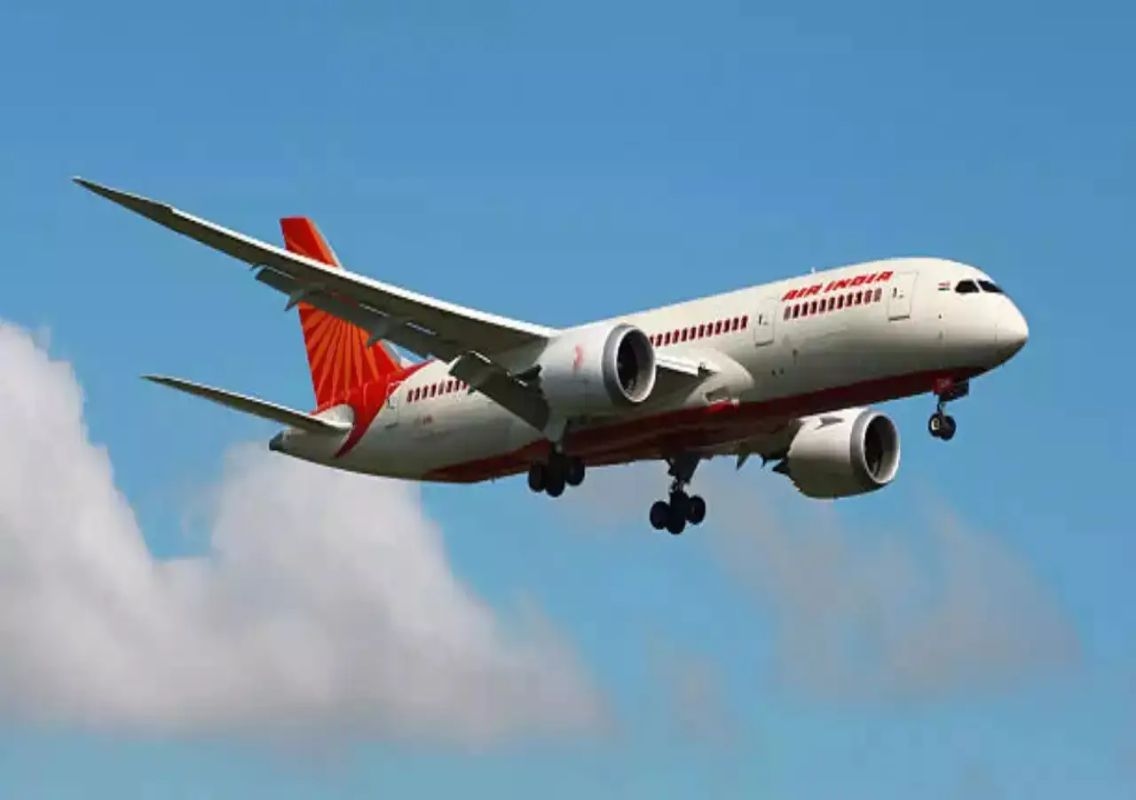


New Delhi: An Air India pilot who was in command of a Phuket-Delhi flight that encountered severe turbulence has reportedly tested positive for a psychoactive substance in a post-arrival dope test, according to sources cited by Times Now. The development comes days after the turbulence incident left at least 17 people injured, including four members of the cabin crew.
However, the reported positive result is not considered final at this stage. A second test has also been conducted, and its result is awaited. Air India has said that while it is aware that post-flight screening was carried out in accordance with applicable protocols, the results have not been shared with the airline.
The development could attract further scrutiny as the Directorate General of Civil Aviation (DGCA) investigates the turbulence incident and examines the circumstances surrounding the flight.
Phuket-Delhi flight hit by severe turbulence
The Air India flight was operating from Phuket to Delhi on Tuesday when it encountered severe turbulence. According to information cited in the report, the aircraft experienced turbulence for approximately four to five minutes and suddenly lost around 300 feet in altitude.
The incident resulted in injuries to at least 17 people. Civil Aviation Minister K Rammohan Naidu said that four cabin crew members were among those injured. Some members of the crew reportedly suffered spinal and neck injuries following the sudden movement of the aircraft.
Turbulence can cause passengers and crew members to be thrown upwards or against aircraft interiors when they are not properly restrained. Severe turbulence can therefore pose a significant safety risk, particularly to cabin crew members who may be standing or moving through the cabin while the aircraft is in flight.
The incident has prompted an investigation by aviation authorities, with the DGCA examining the factors that may have contributed to the event.
Pilot reportedly tests positive in post-flight screening
Sources familiar with the matter told Times Now that the captain of the Phuket-Delhi flight tested positive for a psychoactive substance during a dope test conducted after the aircraft arrived in Delhi.
The reported finding has not, however, been independently confirmed by Air India.
The timing of the test has drawn attention because it was conducted after the turbulence incident. However, a positive screening result by itself does not establish that a substance was responsible for the turbulence or that the pilot’s condition contributed to the incident.
The report also states that another test has been conducted, with its result still awaited. The outcome of that test could be important in determining whether the initial screening result is confirmed or requires further assessment.
Any regulatory or employment-related action would therefore depend on the complete testing process and the findings of the authorities investigating the matter.
Air India says test results have not been shared
Air India has acknowledged that post-flight screening of the pilots was conducted but said the results have not been made available to the airline.
“We are aware that a post-flight screening test was conducted on the pilots in accordance with applicable protocols. However, the results of the test have not been shared with Air India, and we are therefore not in a position to comment on any findings,” an Air India spokesperson said.
The airline also stressed that drug testing of crew members is part of its regular safety and regulatory procedures.
“Air India undertakes regular drug testing of crew members in compliance with civil aviation regulations, independent of any specific flight or operational incident. We will continue to cooperate with the relevant authorities as required,” the spokesperson added.
The clarification is significant because it indicates that the airline has not independently verified the reported positive result. Until the relevant authorities formally share the findings, the reported result remains subject to the ongoing testing and investigation process.
Second test result awaited
A second test has reportedly been carried out following the initial positive screening. Its result is yet to be released.
The pending test is expected to provide greater clarity on the initial finding. Depending on the outcome, the authorities may determine whether additional investigation or regulatory action is required.
The distinction between a preliminary screening result and a final finding is particularly important in cases involving aviation personnel. Flight crew members are subject to strict safety and medical requirements because their fitness can have direct implications for aircraft operations.
At present, there is no confirmed information establishing a connection between the reported test result and the turbulence experienced by the aircraft.
DGCA investigating turbulence incident
The DGCA is separately investigating the Phuket-Delhi flight incident. The regulator is examining the circumstances surrounding the turbulence and looking into the factors that could have contributed to the injuries and sudden loss of altitude.
The reported dope-test result could form part of the wider investigation if authorities determine that it is relevant. However, any conclusions regarding the pilot’s fitness or the cause of the turbulence will depend on evidence gathered during the investigation.
Severe turbulence can occur due to atmospheric conditions and does not necessarily indicate a mechanical or operational failure. Investigators are therefore expected to examine multiple aspects of the incident before determining what happened.
The DGCA’s investigation and the pending test results could provide further clarity in the coming days.
Aviation safety remains under scrutiny
The incident has once again highlighted the importance of crew safety and compliance with aviation regulations. Cabin crew members are particularly vulnerable during sudden turbulence because they may be required to move around the aircraft while performing their duties.
For airlines, maintaining rigorous medical and drug-testing protocols is an important part of ensuring that flight crew members remain fit to operate. Air India’s statement indicates that such testing is conducted routinely and independently of individual flight incidents.
At the same time, the reported positive result should not be treated as a confirmed violation until the testing process is completed and the relevant authorities establish the facts.
Conclusion
The reported positive dope-test result involving the Air India captain has added another dimension to the investigation into the turbulence-hit Phuket-Delhi flight. At least 17 people were injured during the incident, including four cabin crew members, after the aircraft experienced severe turbulence and reportedly lost around 300 feet in altitude.
While sources have reported a positive screening result for a psychoactive substance, Air India has not confirmed the finding, stating that the test results have not been shared with the airline. A second test is also pending.
The DGCA investigation and the outcome of the additional test will be crucial in establishing the facts. Until those processes are complete, there is no confirmed evidence that the reported test result was connected to the turbulence incident.