









New Delhi: Air India has terminated with immediate effect the services of the Pilot-in-Command (PIC) of its Phuket-Delhi flight AI2379 after a confirmatory test found the pilot positive for a psychoactive substance.
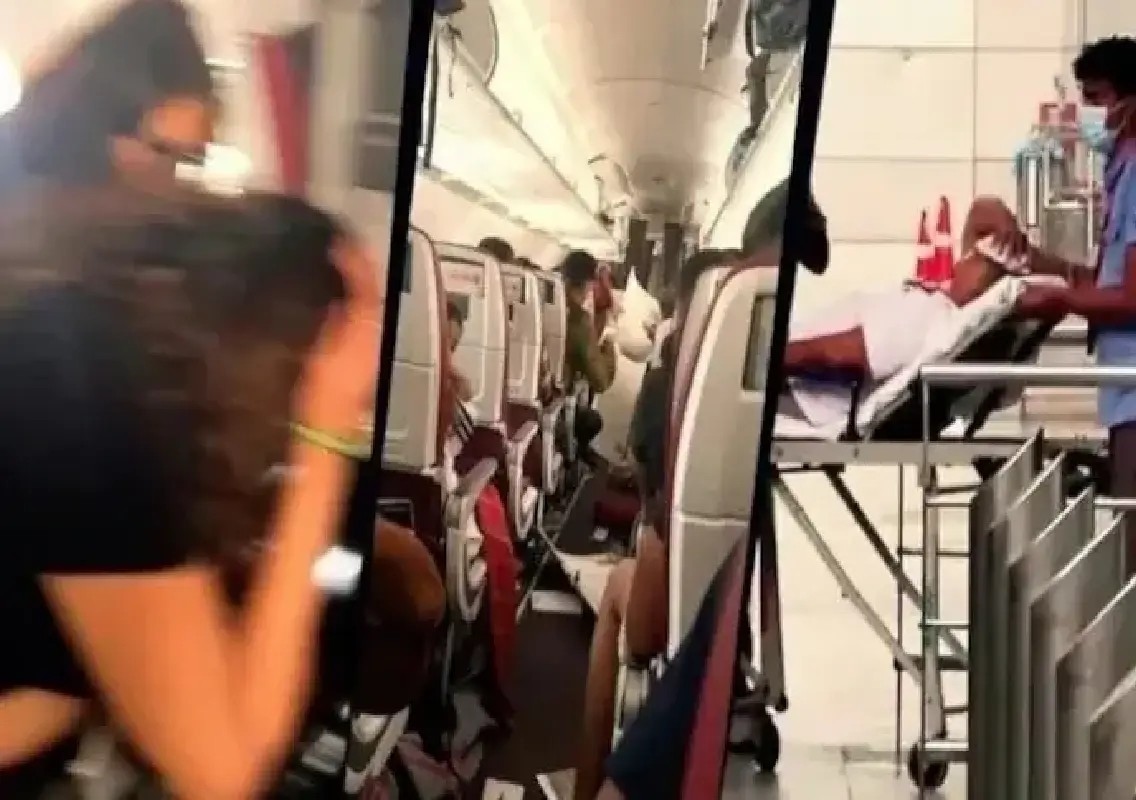
The action follows findings emerging from the Aircraft Accident Investigation Bureau (AAIB) probe into an August 4 incident involving the flight, which experienced a sudden loss of around 300 feet in altitude during cruise. A total of 24 people, including passengers and crew members, were injured in the incident.
Pilot tests positive for marijuana
Air India said the pilot’s employment was terminated in accordance with its zero-tolerance policy towards violations involving safety, fitness and regulatory requirements.
“Safety remains Air India’s highest priority,” the airline said, confirming that the Pilot-in-Command had tested positive for a psychoactive substance.
According to sources, the pilot, a 34-year-old captain, initially underwent a screening test that required further confirmation. His sample was subsequently sent to a designated laboratory, where the confirmatory test reportedly returned positive for marijuana.
Both pilots underwent mandatory psychoactive substance screening following the incident, as required under aviation safety procedures.
Flight lost around 300 feet in altitude
The incident occurred on August 4 when the Airbus A320 aircraft, registered as VT-EXO, was operating flight AI2379 from Phuket to Delhi.
The aircraft was carrying 137 passengers, including three infants, and eight crew members comprising two pilots and six cabin crew.
During cruise, the aircraft experienced a sudden altitude change of approximately 300 feet. According to the latest government statement, 20 passengers and four cabin crew members sustained injuries during the incident.
The aircraft subsequently stabilised and landed safely in Delhi.
Probe examines technical failures
The AAIB is investigating the incident under applicable regulations and International Civil Aviation Organization (ICAO) protocols.
Investigators have been examining reports of several technical anomalies during the flight, including an autopilot disconnect and multiple hydraulic system failures.
According to findings cited in connection with the probe, the aircraft experienced a momentary loss of control linked to system failures. Sources said the co-pilot took manual control after the autopilot disengaged.
A flight-control stall warning reportedly appeared shortly afterwards, while several indicator switches briefly went off.
The investigation is examining the sequence of technical events and the circumstances surrounding the aircraft’s sudden altitude change.
International agencies assisting investigation
France’s aviation accident investigation agency Bureau of Enquiry and Analysis for Civil Aviation Safety (BEA), along with technical representatives from Airbus, is assisting the AAIB.
The assistance includes providing technical information and design documentation under the ICAO framework.
Notifications regarding the investigation have also been sent to ICAO and relevant states.
The AAIB’s investigation will examine both the aircraft’s technical performance and other relevant factors surrounding the incident.
Air India stresses safety policy
The termination of the PIC comes amid increased scrutiny of aviation safety and crew fitness standards.
Airlines are required to ensure that pilots are medically and operationally fit to perform their duties. Psychoactive substance testing forms part of the regulatory framework governing flight crew fitness.
Air India said its decision reflected the seriousness with which it treats violations involving safety, fitness and regulatory requirements.
The airline’s action also comes exactly a month after the August 4 incident, bringing renewed attention to the circumstances surrounding the flight and the importance of maintaining strict crew fitness standards.
The AAIB investigation into the incident remains focused on establishing the sequence of events, including the reported technical failures and the aircraft’s temporary loss of control.