







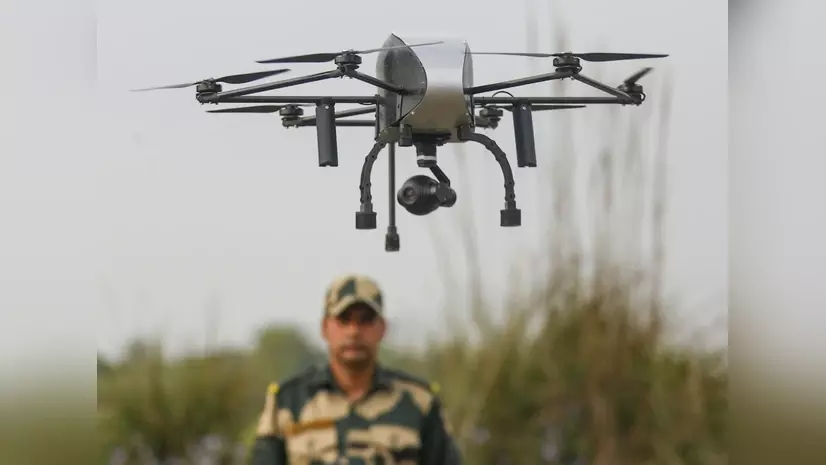


Drawing key operational lessons from Operation Sindoor, the Indian Army is preparing to procure around 850 kamikaze drones (loitering munitions) to strengthen its combat and counter-insurgency capabilities across all three defence services and special forces.
According to defence sources, the proposal is at an advanced stage and is expected to receive approval from the Defence Acquisition Council at a high-level meeting scheduled for the last week of this month. The acquisition will be carried out under fast-track procurement procedures.
Indigenous drones under fast-track route
As per the proposal, the Army will induct nearly 850 loitering munitions along with their launchers from indigenous manufacturers. Officials said this move aligns with India’s push for self-reliance in defence manufacturing while rapidly addressing emerging battlefield requirements.
The Army already operates loitering munitions sourced from multiple platforms and is planning a much larger induction of around 30,000 such drones in the near future to equip its frontline fighting units comprehensively.
New ‘Ashni platoons’ for infantry units
In a major structural shift, each Army infantry battalion will now be equipped with a dedicated Ashni platoon, tasked exclusively with operating drones. These units will be responsible for precision strikes on enemy positions, surveillance missions, and counter-insurgency operations.
Defence officials said the move reflects how drone warfare has become integral to modern military operations, particularly in difficult terrain and high-risk zones.
Impact of Operation Sindoor
The decision follows the extensive use of drones during Operation Sindoor, during which the Indian Army targeted terror headquarters across the border in Pakistan. On the first day of the operation, Indian forces successfully neutralised seven of the nine identified terrorist targets, officials said.
The operation was launched in retaliation for the Pahalgam terror attack, in which 26 civilians were killed. Subsequently, drones were also deployed against positions of the Pakistan Army after it attempted to shield terrorist infrastructure, sources added.
High damage to enemy infrastructure
Officials noted that drone strikes during the operation resulted in heavy casualties among enemy forces and caused significant damage to infrastructure along the border areas. The effectiveness of loitering munitions in precision targeting without risking troop lives has been cited as a key factor behind the expanded procurement plan.
The upcoming induction is expected to significantly enhance India’s drone warfare capabilities and reshape the Army’s future combat doctrine.