







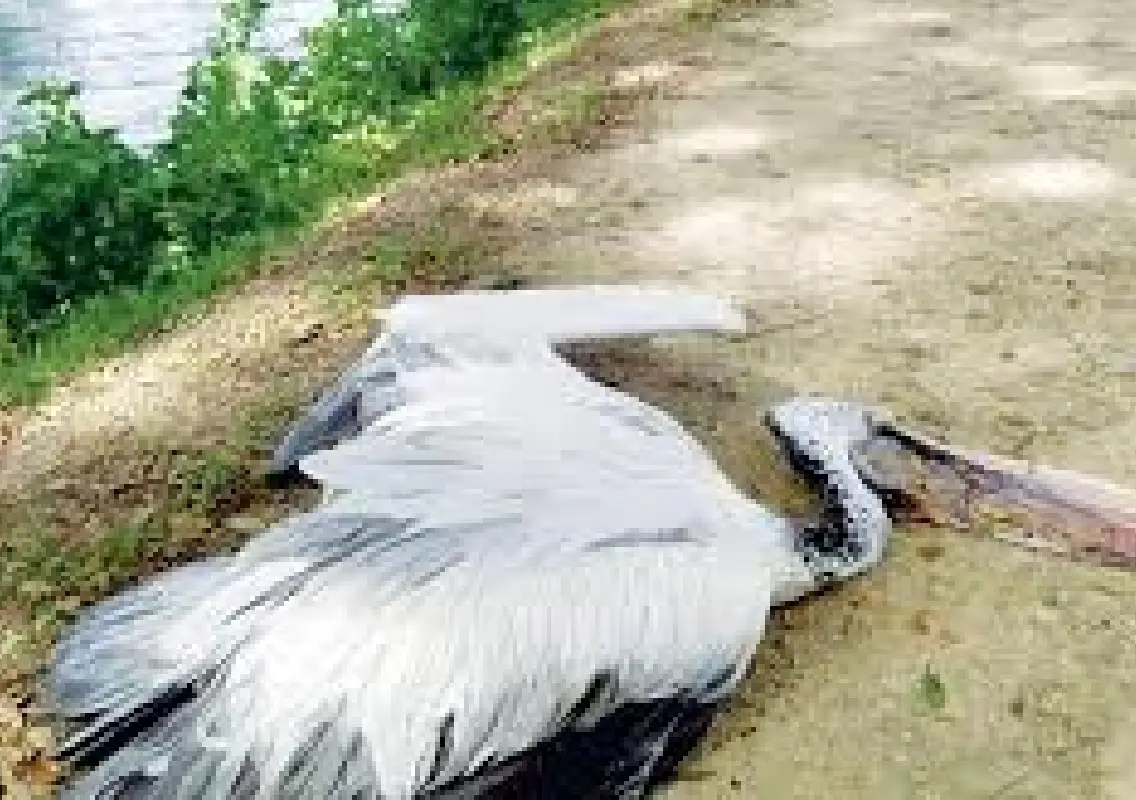


The death of 12 swans and several other birds over the past five days at Kolhapur’s iconic Rankala lake has triggered serious concerns over water pollution and the safety of aquatic life. While officials suspect food poisoning, environmental activists have squarely blamed worsening contamination of the lake.
Swans and birds found dead
Officials from the Zilla Parishad Animal Husbandry Department confirmed that at least 12 swans, along with storks and river turners, were found dead at different locations around Rankala Lake.
A supervisor from the department, requesting anonymity, said preliminary observations point to food poisoning. “It is possible that the swans consumed rotten or contaminated food. The exact cause will be confirmed only after post-mortem reports are received,” the official said.
Activists blame water pollution
Environmentalists, however, believe pollution is the real culprit. Vijay Salokhe, an activist and environmental enthusiast, said the swan population in the lake had grown to 39 and the birds were thriving until recently.
“In just five days, 12 swans have died. Storks and river turners have also perished. Pollution is killing them. The municipal corporation must act immediately to protect birds and aquatic animals so the lake’s natural beauty survives,” Salokhe said.
Long-standing pollution issues
Rankala lake has faced repeated pollution complaints over the years. Activists allege that the Kolhapur Municipal Corporation has failed to stop sewage from the Sham Society nullah from entering the lake, despite multiple interventions.
Dead fish and tortoises floating on the water have been reported frequently. In November 2025, water hyacinth resurfaced in the lake after a gap of more than a decade, indicating declining water quality.
Conservation efforts under strain
Eight years ago, swans were relocated from the Pandhare Ghat area to Dhobi Ghat after boating activities increased. Activists also arranged regular feeding and introduced additional female swans from Mumbai to help grow the population.
With bird deaths rising again, conservationists are demanding urgent testing of water quality, sewage diversion, and long-term ecological safeguards.
Officials said further action will be taken once post-mortem findings are available.