







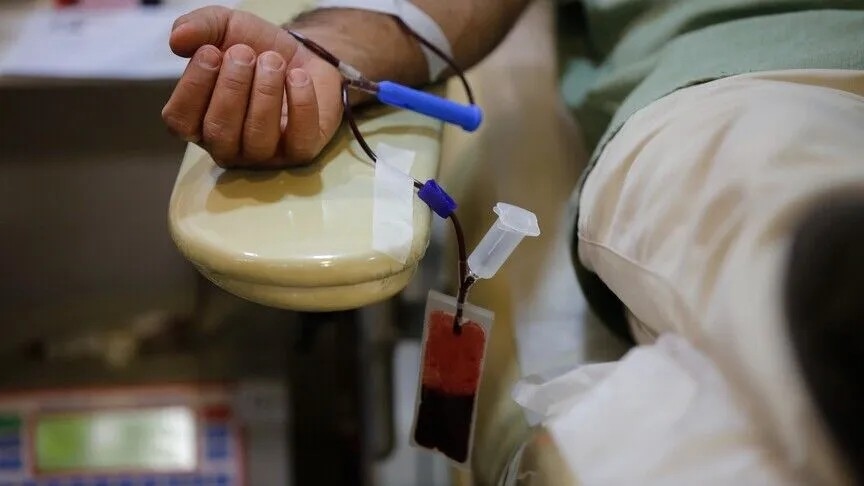


Kolkata: An alleged interstate racket involving the illegal sale of blood and blood components by private blood banks in West Bengal has raised serious concerns about the safety and regulation of the state’s blood transfusion system. The Health Department is investigating six private blood banks, while 11 others have reportedly been barred from organising blood donation camps pending the inquiry.
Blood allegedly sold across state borders
Inspections in districts including Kolkata, Howrah, Nadia and Burdwan reportedly found large quantities of plasma allegedly being sold outside West Bengal, including to entities in Bihar, Uttar Pradesh and Gujarat.
Officials have also raised concerns about alleged financial incentives being offered to organise blood donation camps and attract donors. The investigation is examining whether donated blood and its components were diverted from the regulated system for financial gain.
Why illegal blood sales are dangerous
Blood is not an ordinary commercial product. It must be collected, tested, processed, stored and distributed under strict medical and regulatory safeguards.
Any breakdown in this chain can put patients at risk. Blood and blood components intended for transfusion must undergo appropriate screening and handling to minimise the possibility of infections, contamination, incorrect storage or unsuitable transfusions.
The issue also raises concerns for voluntary donors, whose contributions are made with the expectation that their blood will reach patients who genuinely need it.
Investigation puts regulation under focus
The reported action against private blood banks highlights the importance of strong monitoring across every stage of blood collection and distribution.
India depends heavily on voluntary blood donation to maintain a reliable supply for hospitals. Any alleged misuse of donated blood can therefore undermine public confidence in the entire system.
The West Bengal investigation is expected to establish the scale of the alleged racket and determine responsibility. Until then, officials face the important task of protecting patients while ensuring that genuine blood donation efforts continue without disruption.