







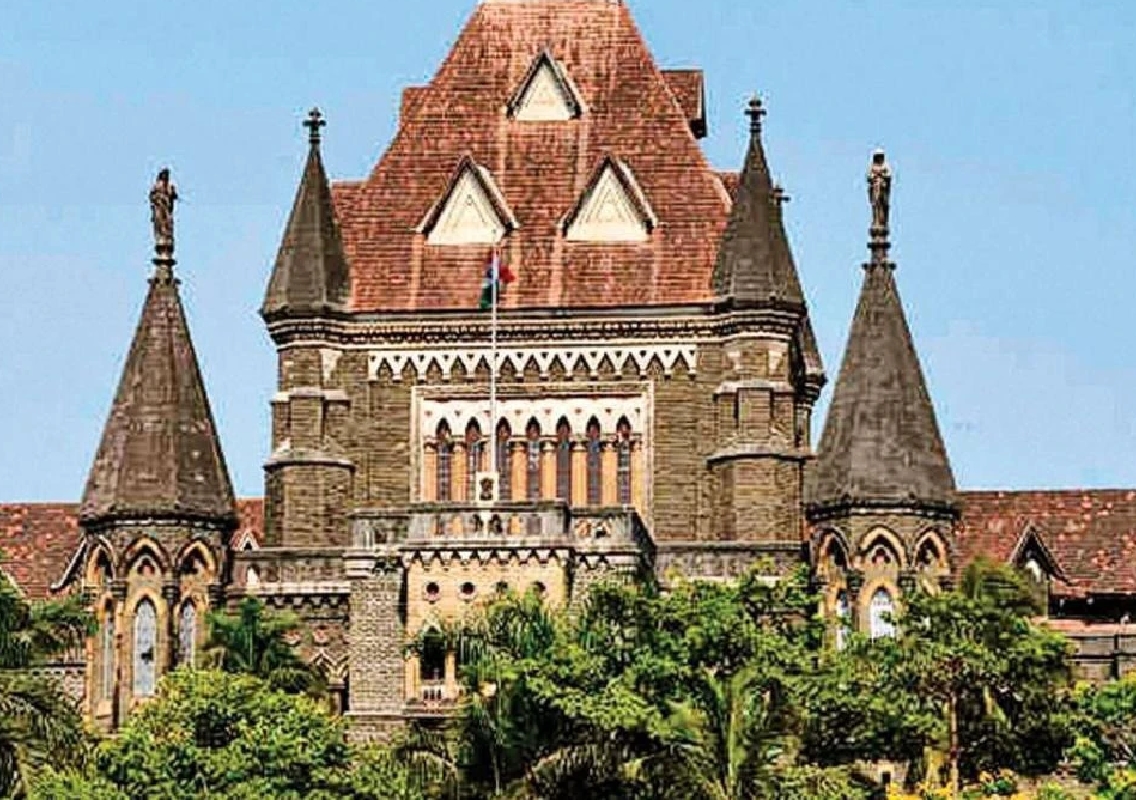


Nagpur : The Nagpur bench of the Bombay High Court has underscored the gravity of national security concerns by stating that such issues are of “greater seriousness” than even murder cases. This declaration came as the court denied the suspension of the life sentence of Nishant Agarwal, a former engineer with BrahMos Aerospace, who was convicted for espionage.
The bench, consisting of Justices Vinay Joshi and Vrushali Joshi, was addressing an appeal filed by Agarwal, who sought the suspension of his life sentence and bail. Agarwal, who was sentenced by a Nagpur court, had been convicted for spying on behalf of the Pakistan-based intelligence agency, ISI. The case had been initially registered by the Anti-Terrorism Squad (ATS) in Lucknow.
In its ruling, the court highlighted the paramount importance of national security, stating that when national security and safety are at stake, they overshadow even the most severe criminal cases such as murder. “When the question of national security and safety arises, it is quite serious than the cases of gruesome murder,” the bench noted, indicating that the court was not willing to compromise on these issues.
The court’s decision to refuse bail and suspension of the sentence was rooted in its assessment of the case’s seriousness. The bench remarked that this was not a situation where a prima facie case for Agarwal’s success on appeal could be established. The seriousness of the crime, coupled with its potential threat to national security, led the court to conclude that the trial court’s findings and sentence should not be altered.
The trial court had previously determined that Agarwal’s role involved handling sensitive files related to national defence and that he had breached numerous security protocols. The court found that Agarwal’s actions, including his use of social media against established security guidelines and the leakage of sensitive data, were severe breaches of trust.
Agarwal, who was part of BrahMos Aerospace’s core team responsible for overseeing missile deliveries and top-secret projects from 2014 to 2018, was found guilty of keeping classified data on his personal laptop. This data included 19 secret files related to the BrahMos Supersonic Cruise Missiles, used by the Indian Armed Forces. The sensitivity of the information, and Agarwal’s position in handling it, were significant factors in the trial court’s verdict.
The prosecution revealed that Agarwal had created a fake Facebook and LinkedIn account under the alias Sejal Kapoor, which was operated from Pakistan. Through these accounts, he allegedly downloaded an application that compromised the data on his laptop. The forensic examination of Agarwal’s gadgets uncovered malware, including chat 2 hire, Xtrust, and Qwhisper, installed between December 2017 and February 2018. This malware was capable of extracting and transmitting sensitive information.
The bench found that the trial court had thoroughly reviewed the evidence and concluded there was no obvious error in its judgement. The court’s denial of bail and suspension of the sentence was thus based on the severe impact of Agarwal’s actions on national security and the integrity of defense operations.
The high court’s ruling reinforces the stringent measures the judiciary is willing to enforce in cases involving national security. It underscores the judiciary’s commitment to prioritizing the protection of national interests over individual appeals, particularly in cases involving espionage and other serious breaches of security.
The ruling also serves as a reminder of the legal system’s role in safeguarding national security by addressing espionage and other critical security breaches with the utmost seriousness.