









Thiruvananthapuram : A 30-year-old soldier from Kollam has given seven people a new lease of life through organ donation after his death, with Kerala Chief Minister V D Satheesan praising the selfless decision of his family.
The soldier, Rahul Rajeev, a native of Kalluvathukkal in Kollam district, had served the nation in Himachal Pradesh. He was undergoing treatment at a private hospital in Thiruvananthapuram when brain death was confirmed. His organs were subsequently donated through the Kerala State Organ and Tissue Transplant Organisation (K-SOTTO).
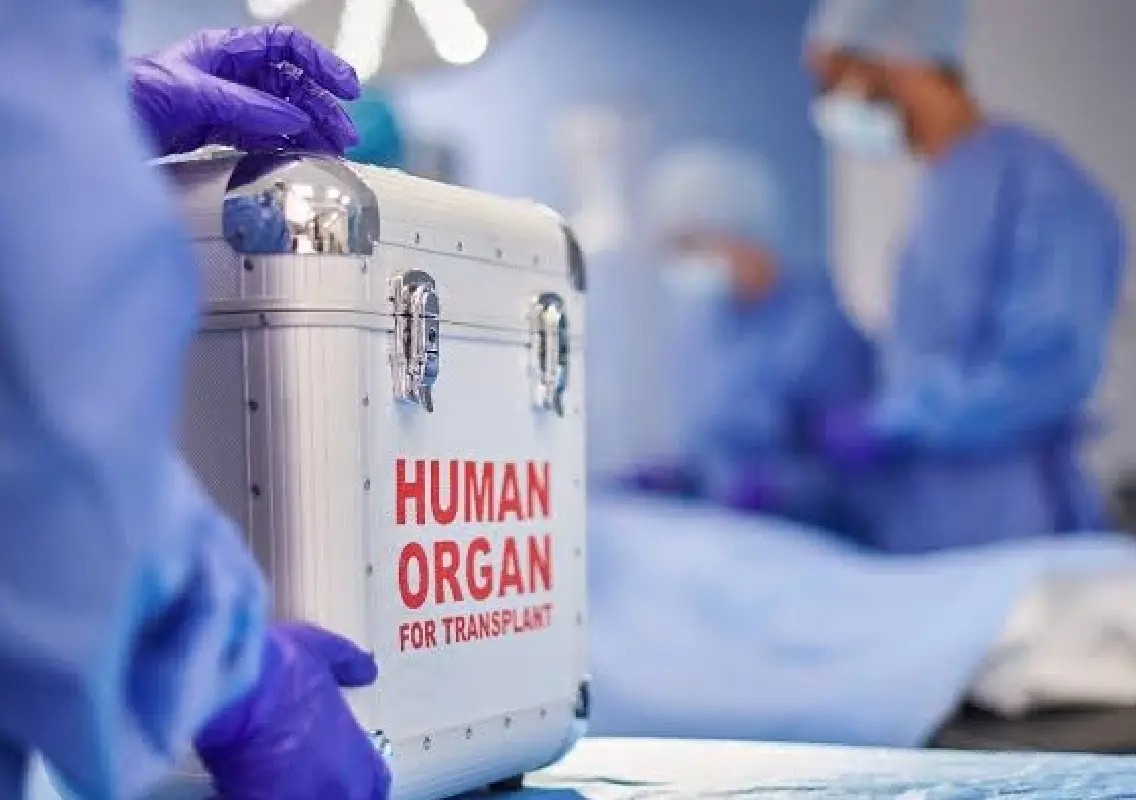
The donation has helped patients in different hospitals, while a specially coordinated green corridor enabled the organs to be transported quickly for transplantation.
Soldier’s decision to donate organs brings hope to seven families
Rahul had previously registered for posthumous organ donation through K-SOTTO. Following the confirmation of his brain death, his family decided to honour that commitment despite the profound grief of losing him.
His kidneys, liver, heart valves, skin and corneas were donated. These organs and tissues were allocated to patients undergoing treatment at different medical institutions in Kerala.
The donation has therefore extended Rahul’s legacy beyond his service in the Army, offering renewed hope to people who were awaiting suitable organs for treatment.
For families waiting for transplants, the availability of a suitable organ can represent a critical turning point. The decision by Rahul’s family has consequently brought a message of compassion and solidarity at a time of immense personal loss.
Family’s decision praised by Kerala Chief Minister
Chief Minister V D Satheesan expressed his appreciation for Rahul’s service and the family’s decision to donate his organs.
In a post on X, Satheesan described the soldier’s act as an example of profound selflessness and said his organ donation had given seven people a new lease of life. He also expressed condolences to Rahul’s family.
The Chief Minister also praised the Kerala Police for facilitating the transportation of the organs through a green corridor between Thiruvananthapuram and Thiruvalla.
Such corridors are designed to reduce delays during the transportation of organs, where every minute can be important for preserving their viability before transplantation.
Green corridor helps transport organs quickly
Following the donation, Kerala Police arranged a special green corridor to facilitate the movement of an ambulance carrying one of Rahul’s kidneys towards Pushpagiri Medical College in Thiruvalla.
The route was coordinated to minimise traffic-related delays and ensure that the organ reached the transplant centre as quickly as possible. Authorities also appealed to members of the public to cooperate with the ambulance during its journey.
The coordination between medical teams, police personnel and other agencies demonstrates the complex logistics involved in deceased organ donation.
From identifying suitable recipients to retrieving organs and transporting them to different hospitals, the process requires careful coordination and rapid decision-making.
Organs distributed to patients across Kerala
Reports said Rahul’s kidneys were allocated to patients undergoing treatment at Pushpagiri Medical College and Thiruvananthapuram Medical College.
His liver was allocated to a patient at KIMS Hospital, while his heart valves were sent to the Sree Chitra Tirunal Institute for Medical Sciences and Technology. His skin was donated to a patient at Thiruvananthapuram Medical College Hospital, and his corneas were sent for transplantation through an eye hospital in Thiruvananthapuram.
The distribution illustrates how a single donor can potentially help several recipients through the donation of different organs and tissues.
For recipients and their families, the availability of a donated organ can mean a renewed opportunity for treatment and recovery.
Understanding brain death and organ donation
K-SOTTO explains that brain death, also known as brain-stem death, occurs following severe and irreversible damage to the brain, resulting in the complete cessation of brain activity. Although artificial support can temporarily maintain circulation to vital organs, brain death is irreversible and is recognised as death.
This distinction is important in deceased organ donation. When a person is declared brain dead in an appropriate hospital setting, vital organs can remain viable for transplantation because artificial support continues to maintain circulation.
Organ donation after brain death is regulated under India’s legal framework, with established procedures governing the declaration of brain death and the donation process.
K-SOTTO plays a key role
The Kerala State Organ and Tissue Transplant Organisation is the State’s apex organisation for regulating, coordinating and supervising human organ and tissue donation and transplantation activities.
K-SOTTO plays an important role in coordinating organ allocation and transplantation and connecting donors with patients who require transplants.
The organisation’s work becomes particularly significant when organs have to be transported between hospitals within a limited time.
The successful coordination in Rahul’s case demonstrates how medical institutions and government agencies can work together to ensure that donated organs reach recipients promptly.
A message of compassion amid grief
Organ donation often comes at a time when families are dealing with one of the most painful experiences imaginable — the loss of a loved one.
Rahul’s family’s decision to proceed with donation despite their grief has allowed his life to have an impact on others.
His story also highlights the importance of discussing organ donation and registering one’s wishes in advance. Rahul had already registered as a donor through K-SOTTO, providing clarity about his intention and helping his family make the decision after his brain death.
For the seven recipients, the donation represents more than a medical procedure. It offers renewed hope and, potentially, the opportunity to return to their families and everyday lives.
A legacy that extends beyond service
Rahul Rajeev served the country as a soldier in Himachal Pradesh. In death, his decision to donate his organs has extended that spirit of service to people he may never have known.
His family’s decision has also highlighted the wider importance of organ donation in Kerala and across India.
The journey of the donated organs — supported by medical teams and a police green corridor — shows how many people contribute to turning one family’s decision into hope for several others.
For Rahul’s family, the loss remains immeasurable. Yet their decision has ensured that his legacy will continue through the lives touched by his donation.
The story is a powerful reminder that even in moments of profound sorrow, an act of generosity can give others another chance at life.