







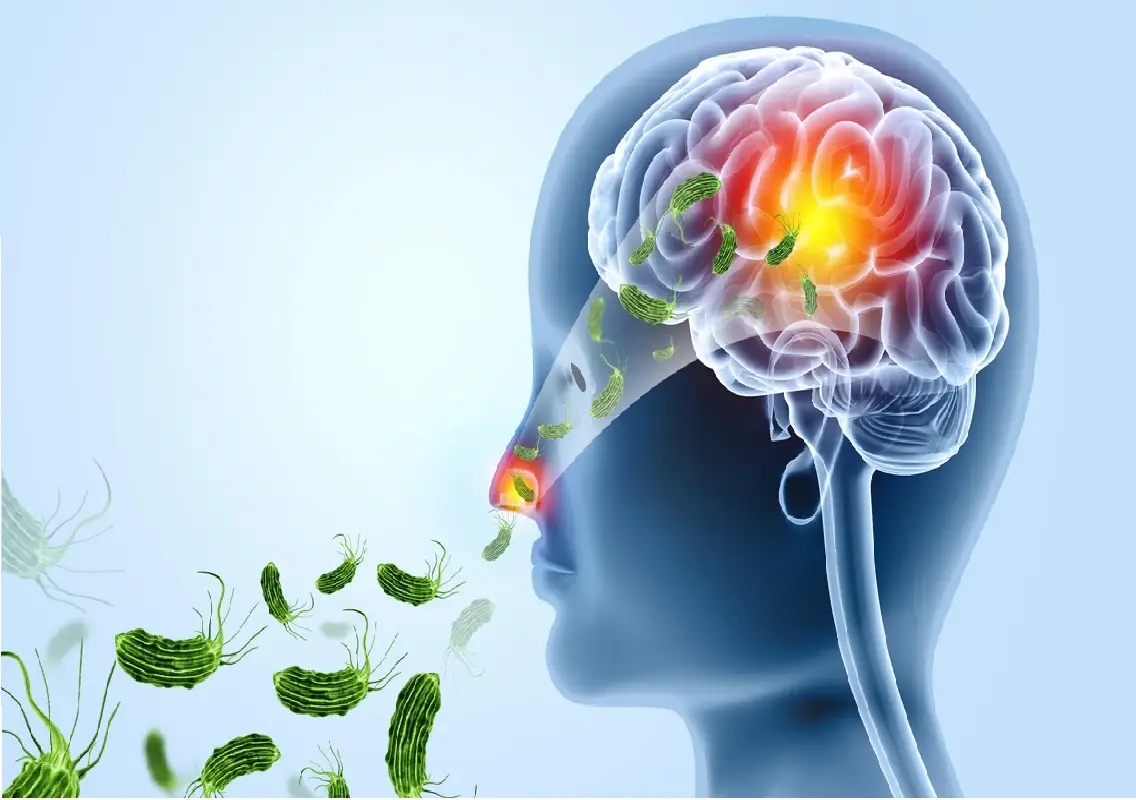


New Delhi: Kerala health authorities are on high alert after a surge in cases of Primary Amoebic Meningoencephalitis (PAM), a rare but often fatal brain infection caused by Naegleria fowleri, popularly called the “brain-eating amoeba”. So far in 2025, the state has reported 61 confirmed cases and 19 deaths, with fatalities rising sharply in recent weeks.
A growing health challenge
State Health Minister Veena George described the situation as a “serious public health challenge”. Unlike last year, where infections were linked to specific clusters, the current outbreak is spread across districts including Kozhikode and Malappuram. Cases have been recorded in patients as young as three months and as old as 91 years.
“These are single, isolated cases, not linked to one common water source. This has complicated epidemiological investigations,” Ms George said.
What is PAM and how does it spread?
According to a government health bulletin, PAM affects the central nervous system, destroying brain tissue and leading to swelling that usually causes death within days. The amoeba enters the body through the nasal passage when contaminated water is inhaled, usually while swimming or diving in warm, stagnant freshwater such as ponds or lakes.
Crucially, experts clarified that drinking contaminated water does not cause the infection, and PAM cannot spread from person to person.
Climate change has been flagged as a contributing factor, with rising water temperatures and increased recreational water use making encounters with Naegleria fowleri more likely.
Symptoms and diagnosis
Symptoms of PAM are often mistaken for bacterial meningitis, leading to fatal delays in diagnosis. Early signs include severe headache, fever, nausea, and vomiting. Within one to nine days, the infection can rapidly progress to cerebral edema, causing death.
Doctors say most patients seek care only after the infection has already reached the brain, leaving limited treatment options.
Treatment and survival
Survival rates for PAM are extremely low. Nearly all survivors worldwide were diagnosed before the amoeba reached the brain. Treatment involves an aggressive antimicrobial drug cocktail that can cross the blood-brain barrier.
“The rarity of the disease, its rapid course, and the difficulty of quick diagnosis make treatment extremely challenging,” the Kerala health department stated.
Preventive measures in Kerala
To prevent further spread, authorities have urged the public to:
-
Avoid swimming or bathing in untreated or stagnant freshwater sources.
Use nose clips when entering lakes, ponds, or other freshwater bodies.
Ensure wells and water tanks are cleaned and chlorinated regularly.
The state government, with support from the National Centre for Disease Control (NCDC), has begun environmental sampling to trace potential sources of contamination.
Past and present cases
Kerala recorded its first PAM case in 2016. Until 2023, only eight cases were reported in total. But last year saw a major surge with 36 cases and nine deaths. This year, the figure has nearly doubled with 69 cases and 19 deaths already reported.
Health officials continue to stress the importance of early detection and immediate medical attention for anyone experiencing symptoms after exposure to stagnant water.