







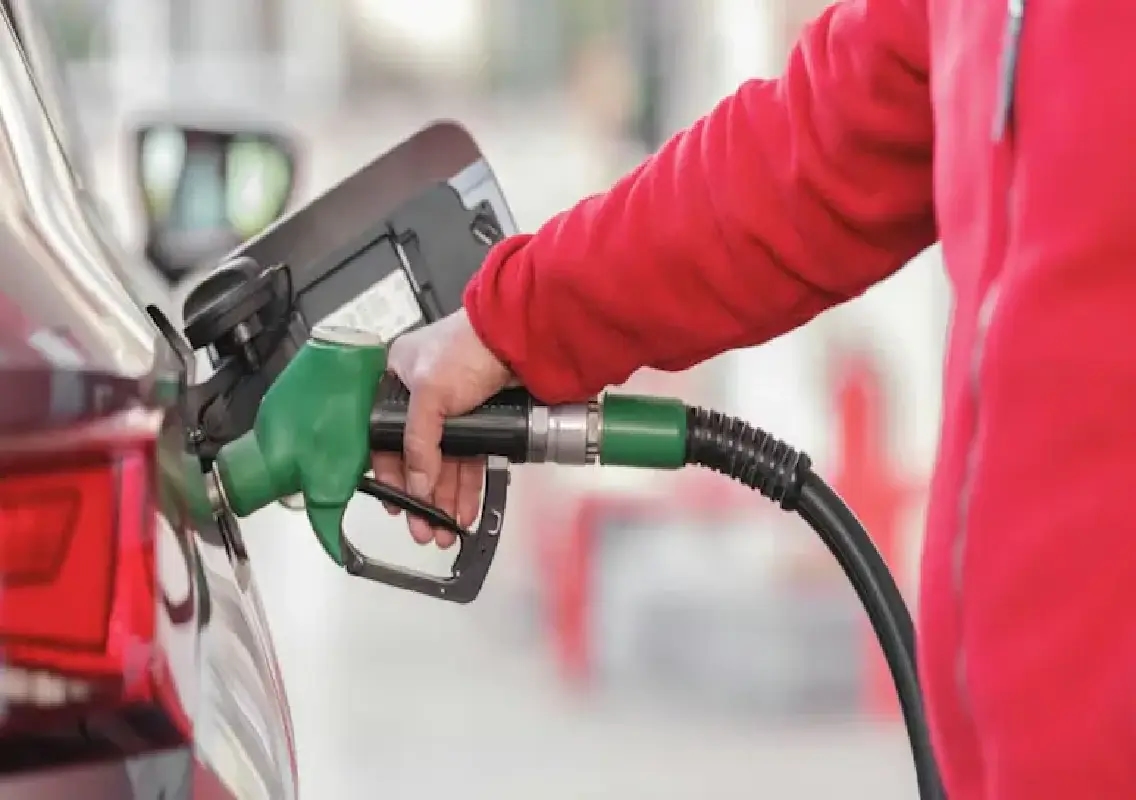


New Delhi: In a major relief measure, the Centre has reduced excise duty on petrol and diesel by ₹10 per litre each. However, despite the significant tax cut, retail fuel prices across most Indian cities have largely remained unchanged, with only marginal fluctuations reported in some locations.
Following the revision, central taxes on petrol have been reduced to ₹3 per litre, while diesel now attracts zero excise duty. The move comes amid rising global crude oil prices and supply disruptions linked to ongoing geopolitical tensions in West Asia.
Prices remain stable despite duty cut
Even after the excise duty reduction, fuel prices have not seen a sharp decline at the retail level. This is primarily because domestic fuel pricing is influenced by international crude oil rates and currency fluctuations.
India’s major oil marketing companies—Indian Oil Corporation, Bharat Petroleum Corporation Limited, and Hindustan Petroleum Corporation Limited—continue to revise prices daily based on global benchmarks and the rupee-dollar exchange rate.
In some cities, slight increases have even been recorded. For instance, Chennai saw a marginal rise of 17 paise in petrol and 20 paise in diesel compared to the previous day.
Latest fuel prices in major cities
Here are the latest petrol and diesel prices across key cities:
- Delhi
Petrol: ₹94.77/litre
Diesel: ₹87.67/litre - Bengaluru
Petrol: ₹102.96/litre
Diesel: ₹90.99/litre - Chennai
Petrol: ₹101.23/litre
Diesel: ₹92.81/litre - Kolkata
Petrol: ₹105.41/litre
Diesel: ₹92.02/litre - Hyderabad
Petrol: ₹107.50/litre
Diesel: ₹95.70/litre - Mumbai
Petrol: ₹103.54/litre
Diesel: ₹90.03/litre - Chandigarh
Petrol: ₹94.30/litre
Diesel: ₹82.45/litre
Global factors driving fuel prices
The limited impact of the excise duty cut is largely attributed to rising global crude oil prices. Brent crude, the international benchmark, has reportedly crossed $100 per barrel due to escalating tensions in West Asia.
Supply chain disruptions, particularly around the Strait of Hormuz, have further contributed to price volatility. The region is a critical artery for global oil transport, and any disruption significantly impacts supply and pricing.
Losses for oil marketing companies
Industry estimates suggest that oil marketing companies are currently incurring losses of approximately ₹48.8 per litre on fuel sales. This is due to the widening gap between rising global crude prices and regulated domestic retail prices.
The financial strain on companies like Indian Oil Corporation, Bharat Petroleum Corporation Limited, and Hindustan Petroleum Corporation Limited is expected to influence future pricing decisions.
Balancing relief and economic pressure
The government’s decision to cut excise duty is seen as an attempt to balance consumer relief with economic realities. While the move reduces the tax burden, rising crude prices continue to offset its benefits.
Experts note that further price reductions at the pump may depend on stabilisation in global oil markets and easing geopolitical tensions.
Conclusion
The ₹10 per litre excise duty cut offers partial relief to consumers, but its impact remains limited due to global market pressures. As fuel prices continue to be influenced by international factors, both consumers and policymakers will be closely watching developments in the coming weeks.