







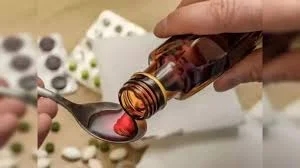


In a significant move aimed at strengthening public health safeguards, the Union government has proposed amendments to existing drug laws to tighten regulations on the over-the-counter sale of cough syrups and other liquid medicines across India.
The decision follows a global alert issued in October 2025 by the World Health Organisation, which linked the deaths of over 20 children to complications allegedly caused by Coldrif cough syrup manufactured by a Tamil Nadu-based pharmaceutical firm. The WHO has previously issued similar alerts on India-made cough syrups, raising concerns over regulatory gaps.
Nimesulide formulations banned
Through a final gazette notification issued on Tuesday, the government has also banned the manufacture, sale and distribution of all oral formulations containing Nimesulide above 100 grams in immediate-release dosage form. Officials said safer alternatives to the widely used painkiller are available, and the ban has been imposed in public interest.
Schedule K exemption under review
In a separate draft notification, the Ministry of Health and Family Welfare has proposed removing the word “syrup” from a category of medicines listed under Schedule K of the Drugs Rules, 1945.
Schedule K currently allows certain medicines to be sold without a formal sales licence in villages with populations below 1,000, provided no licensed dealer operates nearby. The exempted list includes household remedies such as aspirin, paracetamol tablets, analgesic balms, and “syrups, lozenges, pills and tablets for cough”.
Officials said the generic use of the word “syrup” had created regulatory confusion, allowing certain cough and cold medicines containing sensitive or potentially addictive ingredients to escape stricter oversight simply because of their liquid form.
Focus on composition, not form
By dropping the term “syrup” from the exemption, the government aims to ensure medicines are regulated based on their composition and medical effect, rather than their dosage form. “A liquid medicine will no longer qualify for relaxed rules merely because it is labelled a syrup,” an official said.
The Health Ministry has invited public comments on the draft amendment within 30 days, stating that the proposed change is directly linked to public health and safety.
Experts believe the move will help prevent misuse and abuse of medicinal syrups, particularly cough and cold formulations, and close long-standing enforcement loopholes in India’s drug regulation framework.