







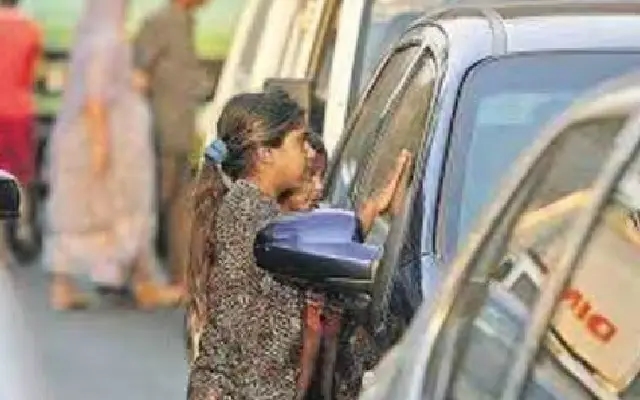


Chandigarh’s “beggar-free city” drive, which concluded on November 5, saw no local beggars being apprehended. Instead, all individuals found begging or selling items on the streets were from neighboring states, including Himachal Pradesh, Uttar Pradesh, and Uttarakhand. Authorities are investigating how these individuals were brought to Chandigarh.
The drive involved regular rescue operations that led to the apprehension of 42 individuals, including 35 adults (34 men and one woman) and 7 children. These individuals were rehabilitated in institutions under the Haryana Prevention of Beggary Act and the Juvenile Justice Act. Of the adults, 16 were rehabilitated, while the children were provided with necessary care.
A major component of the campaign was public awareness, aiming to discourage alms-giving and the purchase of items from children on the streets. From October 21 to November 5, jingles were broadcast on radio stations, and announcements were made at traffic lights and key roundabouts to educate the public about the negative impacts of such activities, including human trafficking and child labor.
In addition, awareness programs were held in schools to educate students and their families. The initiative also included monitoring by the excise department to identify child beggars and further discourage alms-giving during the festive season. Meanwhile, the “Neki ki Deewar” initiative encouraged residents to donate essential items to those in need.
Read Also