









Chennai: Doctors at MGM Healthcare in Chennai have successfully performed open surgical chest contouring on a 44-year-old police officer with severe gynaecomastia and Stage 1 liver failure, overcoming significant bleeding risks associated with his condition.
Enlarged chest affected his daily life
The patient had Grade 3 gynaecomastia, a condition involving enlargement of male breast tissue. The problem had begun affecting his professional responsibilities and everyday activities, making running difficult and causing embarrassment while changing clothes at work.
Doctors also found that he had liver dysfunction with associated bleeding abnormalities. It was not clear whether the gynaecomastia was directly related to his liver condition or had another underlying cause.
Doctors choose a different surgical approach
Because of the increased bleeding risk, the medical team decided against conventional liposuction. Instead, they opted for open surgical chest contouring, which allowed the surgeons to remove excess glandular tissue and skin while carefully controlling bleeding.
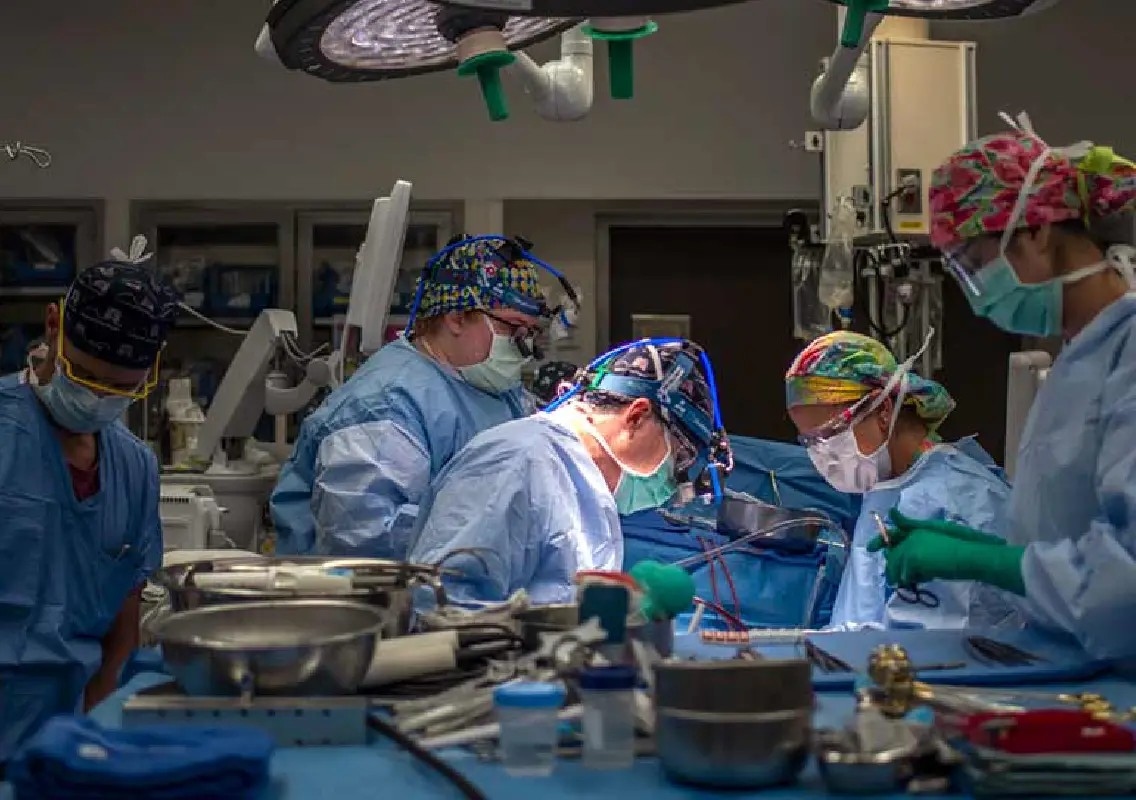
The three-hour procedure involved a double-incision mastectomy with free nipple grafts. An upper gastrointestinal endoscopy was performed before surgery to assess the risk of gastrointestinal bleeding, while liver-friendly anaesthetic agents were used during the operation.
The surgical team worked to create a symmetrical, proportionate and natural-looking chest contour.
Complex care required careful planning
Dr S. Narayanamurthy, who led the surgical team, said the combination of gynaecomastia, liver dysfunction and bleeding abnormalities made the case particularly challenging. The procedure required coordination between plastic surgery, anaesthesia and gastroenterology teams to prioritise the patient’s safety.
Doctors noted that gynaecomastia can be associated with conditions including liver disease, hormonal abnormalities and thyroid disorders. Men experiencing persistent breast enlargement are advised to seek medical evaluation to identify possible underlying causes.