







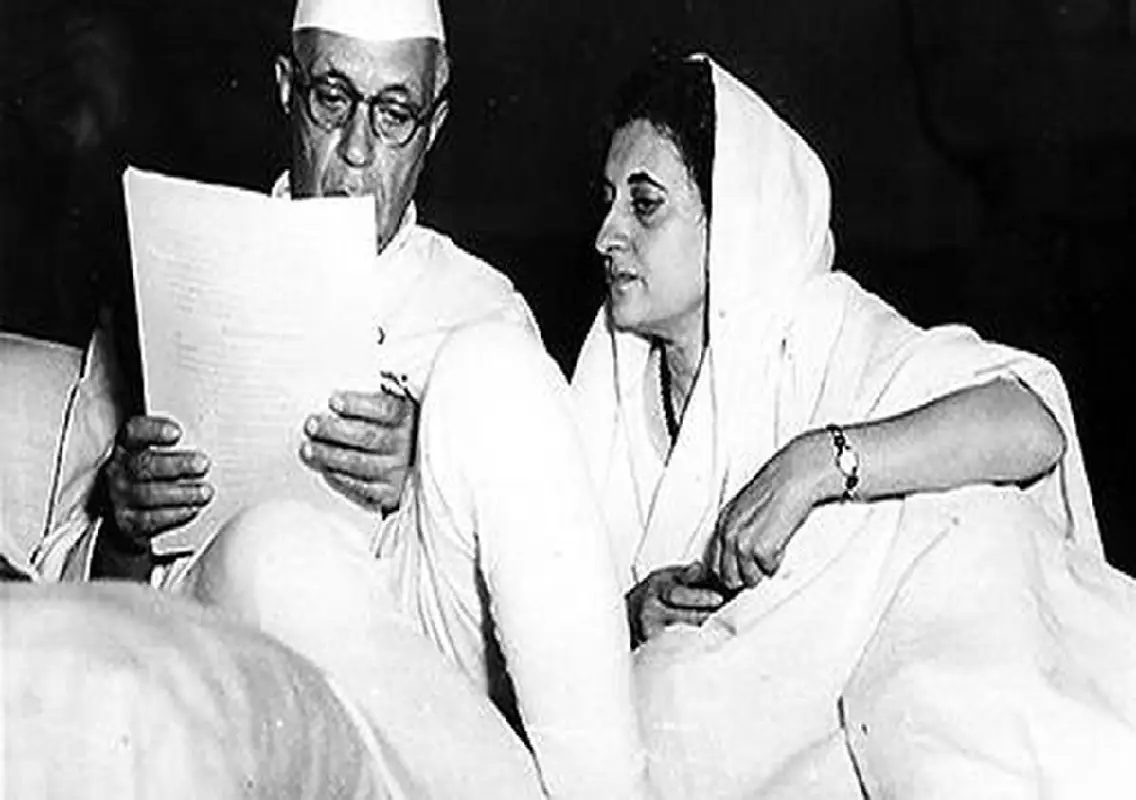


New Delhi: Political theorist Bhikhu Parekh has long argued that Jawaharlal Nehru should be remembered as the principal architect of modern India. According to Parekh, Nehru gave the newly independent nation a coherent national philosophy rooted in modernisation — one that shaped India’s political, economic, and social direction for decades to come. His ideas, Parekh notes, not only guided governments but also influenced generations of Indians across professions, classes, and regions.
Nehru’s modern vision for a young nation
Parekh emphasises that Nehru’s vision encompassed ambitious goals aimed at stabilising and strengthening a newly independent country. These included maintaining national unity, building a robust democratic structure, supporting industrial growth, promoting scientific thinking, encouraging socialism, and pursuing a foreign policy free from the influence of dominant global power blocs.
For Parekh, this wide-ranging vision is precisely why Nehru stands out as a nation-builder. His philosophy did not remain abstract; it guided policies that shaped the public sector, gave confidence to industrialists, and supported farmers from middle and upper agrarian groups. In Parekh’s assessment, Nehru ensured that India’s future rested on foundations of progress, rationality, and inclusive development.
A photograph often circulated from that era shows two intellectual giants of modern India — Rabindranath Tagore and Jawaharlal Nehru — symbolising the cultural and political currents that shaped the nation.
Visionary leadership that earned global respect
Nehru’s leadership during the 1950s is widely regarded as transformative. He strengthened India’s democratic institutions, ensuring that the principles of equality, liberty, and representation took firm root in the political culture. His commitment to secularism sought to build a society where citizens could coexist with dignity regardless of religion.
At the same time, Nehru championed science and technology as engines of progress. Research institutions, scientific missions, and the push for technological literacy formed part of his broader plan to modernise the country. Internationally, Nehru earned admiration for keeping India non-aligned during the Cold War, a period when nations were pressured to align with either the United States or the Soviet Union. His steadfast independence became a defining aspect of India’s foreign policy identity.
Beyond politics, Nehru was also known for his literary contributions. His books, including Letters from a Father to His Daughter (1929), An Autobiography (1936), and The Discovery of India (1946), continue to be appreciated worldwide for their clarity, warmth, and intellectual depth.
A father’s lessons through letters
One of Nehru’s most cherished works, Letters from a Father to His Daughter, offers a glimpse into his affectionate bond with his daughter, Indira Gandhi. Published in 1929 by the Allahabad Law Journal Press, the book compiles 30 letters Nehru wrote during the summer of 1928, when Indira was just 10 years old.
Living in Allahabad at the time, Nehru used the letters to introduce Indira, who was then in Mussoorie, to the story of the natural world and human history. He explained complex ideas in simple, engaging language, helping his young daughter understand the wonder and interconnectedness of life. These letters were not only educational but also deeply inspiring, reflecting his belief that knowledge could empower children to think, question, and grow.
Originally written in English, the collection was later translated into Hindi by celebrated author Munshi Premchand, expanding its reach to a wider audience. Even today, the letters are read as a beautiful blend of parental love, curiosity, and gentle wisdom.
Conclusion
Bhikhu Parekh’s view of Nehru as the creator of modern India is rooted in the leader’s extraordinary ability to shape national identity, foster democratic values, and inspire future generations. Through his political foresight, commitment to progress, and literary legacy, Nehru left an imprint that continues to influence India’s trajectory. His letters to Indira remain a reminder of his belief that nurturing young minds is key to nation-building.