







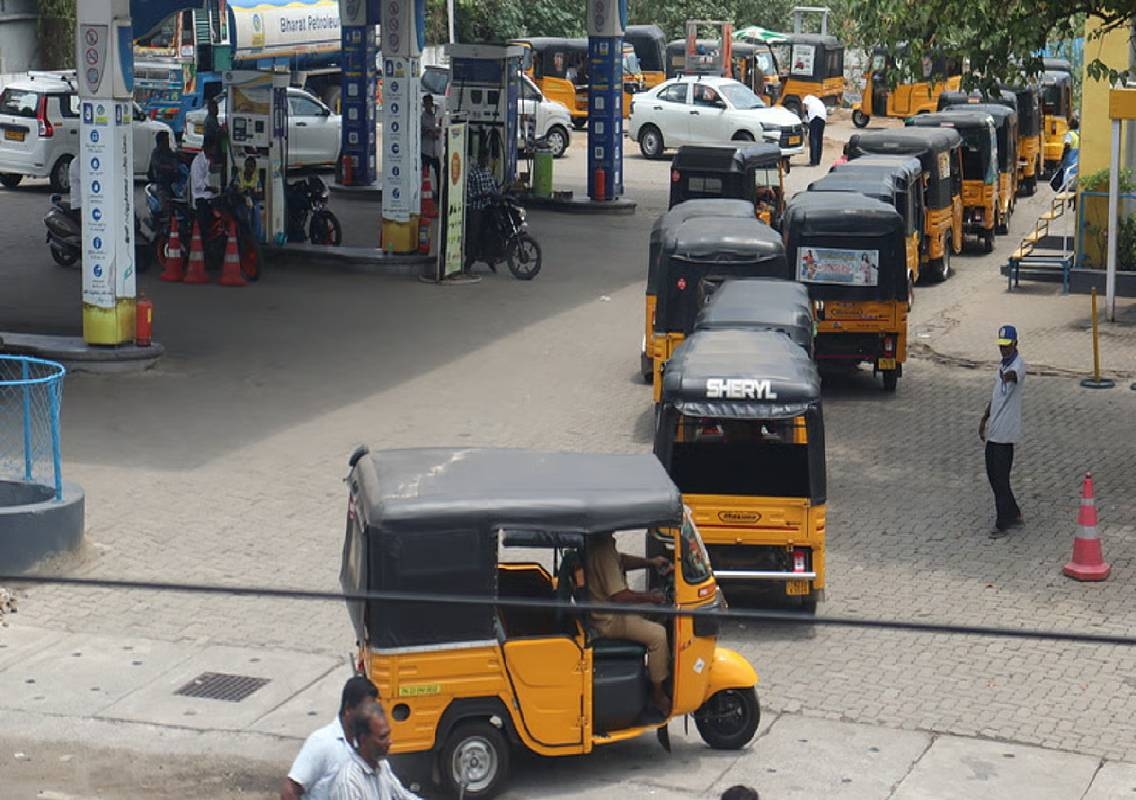


New Delhi: The price of compressed natural gas (CNG) was increased by Rs 2 per kilogram on Tuesday, marking the fourth hike in less than two weeks amid rising global energy costs and continued volatility in fuel markets.
Following the latest revision by Indraprastha Gas Limited, CNG in the national capital will now cost Rs 83.09 per kg. The fresh increase comes just three days after the previous hike of Rs 1 per kg, further adding to the burden on daily commuters and commercial vehicle operators.
With this revision, the cumulative increase in CNG prices since May 15 has reached Rs 4 per kg. The repeated hikes over a short period have sparked concerns among transport operators, cab drivers and small businesses that rely heavily on gas-powered vehicles for cost-efficient operations.
Fuel prices continue upward trend
The latest increase in CNG prices follows a broader rise in fuel rates across the country. On Monday, petrol and diesel prices were also revised upward by state-owned fuel retailers. Petrol prices were increased by Rs 2.61 per litre, while diesel prices went up by Rs 2.71 per litre.
This marks the fourth increase in petrol and diesel prices within two weeks, as oil marketing companies continue to adjust retail prices in line with rising international crude oil prices. The surge in global oil rates has largely been linked to the ongoing tensions and conflict in West Asia, which have affected supply concerns and market sentiment globally.
Industry experts say the continued escalation in crude oil prices is forcing fuel retailers to pass on the burden to consumers. Since daily price revisions resumed on May 15, cumulative increases in petrol and diesel prices have nearly touched Rs 7.5 per litre.
Impact on commuters and transport sector
The repeated increase in fuel prices is expected to have a significant impact on transportation costs, particularly in urban centres where CNG is widely used by autorickshaws, taxis and commercial fleets.
Drivers and fleet operators have expressed concern that the steep rise in operational costs may eventually result in higher fares for passengers and increased logistics expenses for businesses.
Public transport operators are also likely to feel the pressure, especially those dependent on CNG-powered buses and vehicles. Analysts believe that if fuel prices continue to rise, inflationary pressure may increase across sectors including food delivery, goods transportation and essential commodities.
Many commuters in Delhi and neighbouring cities have shifted to CNG vehicles over the years due to comparatively lower running costs and environmental benefits. However, the recent price hikes are narrowing the gap between CNG and conventional fuels, reducing cost advantages for consumers.
Global crude oil prices driving revisions
Energy market analysts attribute the latest round of fuel price hikes to the sharp increase in global crude oil prices. Geopolitical tensions in West Asia have raised fears of disruptions in oil supply chains, causing international crude benchmarks to remain elevated.
India imports a significant portion of its crude oil requirements, making domestic fuel prices highly sensitive to global market movements. Any sustained increase in international oil prices directly impacts retail fuel rates in the country.
Oil marketing companies had previously maintained stable prices for several months despite fluctuations in global markets. However, the recent surge in crude prices has prompted regular upward revisions in retail fuel rates.
Experts warn that if geopolitical tensions persist and crude oil prices continue climbing, further increases in fuel prices cannot be ruled out in the coming weeks.
Concerns over inflation
Economists have cautioned that rising fuel prices may contribute to broader inflationary pressures in the economy. Higher transportation and logistics costs often lead to increased prices of essential goods and services, affecting household budgets.
Small businesses and middle-income families are expected to face the greatest impact as fuel costs influence daily commuting expenses and commodity prices alike.
The government and fuel retailers are closely monitoring global market conditions as consumers across the country continue to deal with rising fuel expenses.