







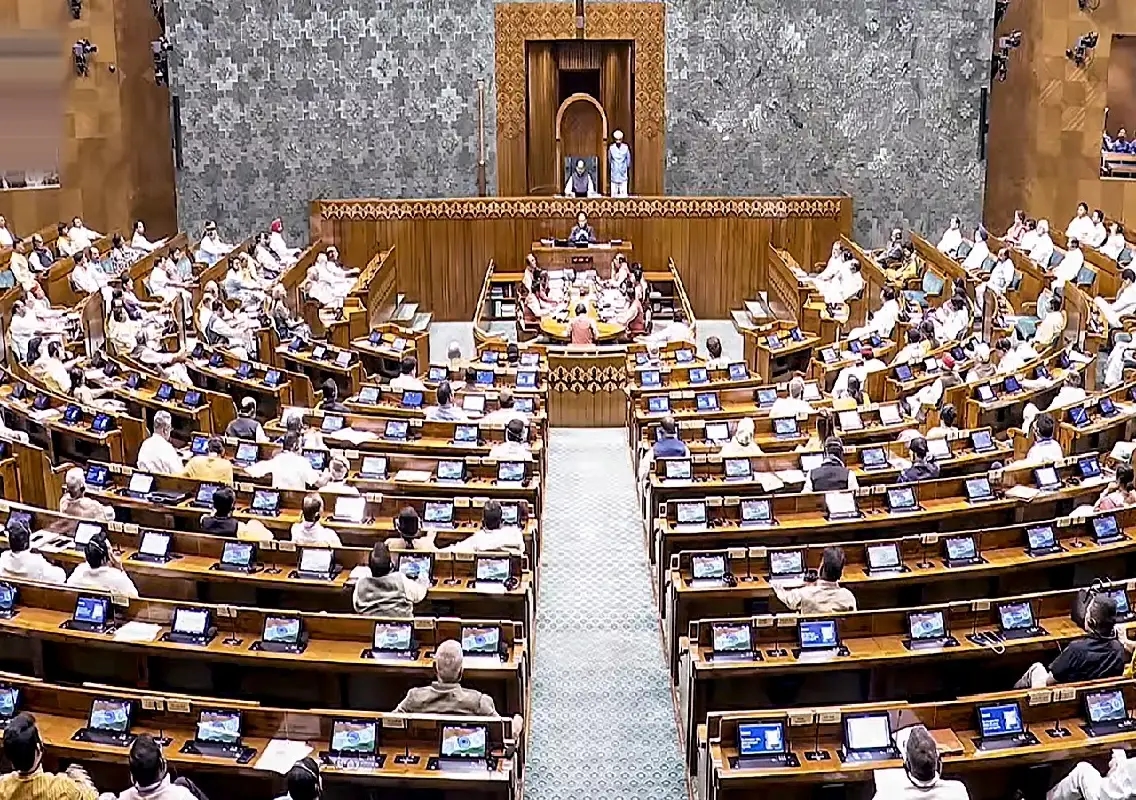


New Delhi: The Indian National Congress has criticised the Centre’s decision to convene a three-day special session of Parliament from April 16, alleging that it violates the Model Code of Conduct and is aimed at gaining political advantage ahead of upcoming state elections.
The party raised concerns over the timing of the session, which coincides with active election campaigning in key states like West Bengal and Tamil Nadu.
Allegations of political motive
Senior Congress leader Jairam Ramesh stated that the government’s move appears to be a unilateral decision intended to influence voters during the election period.
“The only objective of this special session is to grab political mileage to influence polls,” he said, questioning why the session could not have been scheduled after the elections.
The party also pointed out that campaigning will be underway during the proposed session, making the timing particularly contentious under the Model Code of Conduct.
Key bills on agenda
The special session is expected to take up important Constitution amendment bills, including proposals to increase the number of Lok Sabha seats from 543 to 816.
This move is seen as a step towards implementing the women’s reservation law at the earliest, a long-pending reform aimed at increasing representation of women in Parliament.
Concerns over delimitation exercise
Congress leaders expressed serious reservations about a possible delimitation exercise linked to the proposed amendments. The party warned that a rushed process could have “dangerous consequences” for the federal balance of the country.
According to Ramesh, states in southern, northeastern, and western India could face disadvantages if seat allocation is significantly altered.
He claimed that under the proposed changes, states like Uttar Pradesh could see a sharp rise in representation, while states such as Kerala may see only marginal increases.
Lack of detailed communication
The Congress also alleged that the government had not formally communicated any detailed proposal regarding delimitation. Ramesh said that official correspondence from the government only mentioned amendments related to women’s reservation, with no clarity on broader structural changes.
This lack of transparency, the party argued, raises concerns about the intent and scope of the proposed legislation.
Opposition to strategise
Top Congress leaders, including Mallikarjun Kharge and Rahul Gandhi, are expected to meet senior party MPs and consult with other Opposition leaders ahead of April 16.
The discussions will focus on formulating a collective response and strategy regarding the special session and the proposed legislative agenda.
Election schedule adds to controversy
The controversy is further intensified by the election schedule in multiple states. Polling in Kerala, Assam, and Puducherry is set for April 9, while West Bengal will go to polls in two phases on April 23 and April 29. Tamil Nadu will vote on April 23.
With elections imminent, the Congress argues that convening Parliament during this period could raise ethical and procedural concerns.
Conclusion
The Centre’s decision to hold a special Parliament session has triggered a political debate over timing, intent, and legislative priorities. While the government aims to push key constitutional reforms, the Opposition has questioned the move as politically motivated. The issue is likely to see further developments as parties prepare for both the session and the upcoming elections.