







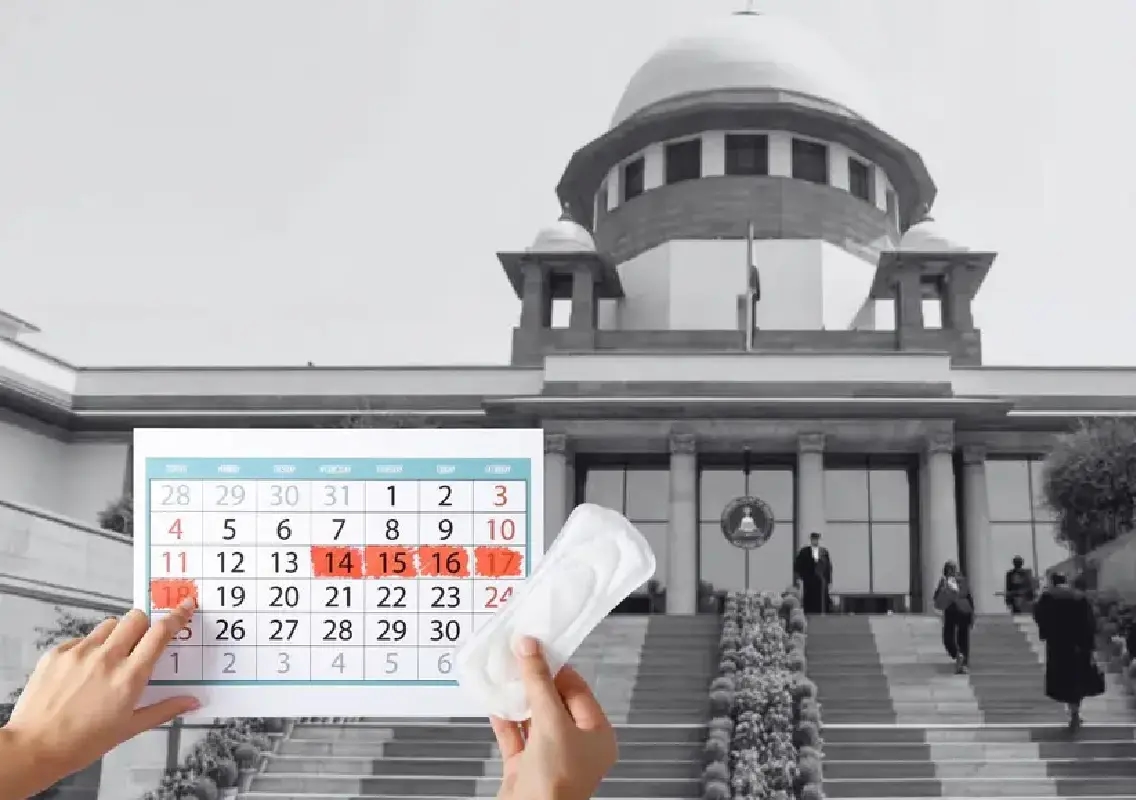


The Supreme Court of India has expressed concern that making menstrual leave mandatory through legislation could potentially create unintended challenges for women in the workplace.
During a recent hearing on petitions seeking statutory menstrual leave, the court observed that while the issue concerns women’s health and dignity, any blanket legal requirement may have broader implications for employment practices.
Concerns about impact on women’s employment
The court noted that mandating menstrual leave through law could lead some employers to hesitate in hiring women, particularly in competitive sectors.
Judges observed that such a move, though well-intentioned, might inadvertently create barriers to employment if companies perceive it as an additional regulatory burden.
The bench emphasised that policies aimed at supporting women must ensure they do not unintentionally disadvantage female workers.
Debate on workplace support for women
The discussion around menstrual leave has gained attention in recent years as advocates call for better recognition of women’s health needs in workplaces.
Some companies and institutions have voluntarily introduced menstrual leave policies to provide flexibility and support for employees experiencing menstrual discomfort.
However, experts remain divided on whether such policies should be mandatory through national legislation or implemented through organisational policies.
Need for balanced policy approach
The court suggested that the issue may require careful policy consideration involving the government, employers and stakeholders before introducing any nationwide legal mandate.
Legal experts say the debate highlights the broader challenge of designing workplace policies that support women’s well-being while also protecting equal employment opportunities.
The matter is expected to continue drawing attention as discussions on gender-sensitive workplace reforms evolve across India.