







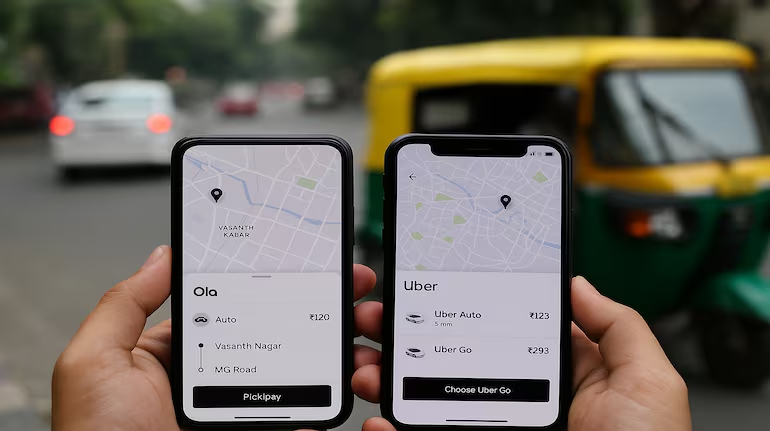


In a significant push towards sustainable transport, the Delhi government has given in-principle approval for privately-owned electric vehicles (EVs) to operate as shared taxis in the capital. The initiative, aimed at reducing pollution and expanding affordable mobility options, is expected to be rolled out within a month.
The decision followed a high-level meeting chaired by Rekha Gupta with automobile manufacturers and cab aggregators, including Ola and Uber, officials said.
Shared EV taxis and women-led services planned
According to officials, the proposed model will allow private EV owners to register their vehicles on aggregator platforms for shared rides. Cab companies indicated that services, including those involving women drivers, could begin within weeks, subject to necessary regulatory amendments.
The chief minister assured industry representatives that the government would introduce required changes in rules to facilitate the move. She also emphasised that passenger safety measures must be strictly implemented by all operators.
Shuttle routes and e-rickshaw integration
During the discussions, aggregators suggested operating shuttle services on key corridors such as the Ring Road and on routes connecting the city with the airport. The chief minister encouraged firms to explore these options and also asked them to assess the feasibility of integrating e-rickshaws into their digital platforms.
She reiterated the government’s support for pilot projects to test the effectiveness of shared EV taxis before scaling them up across the city.
Focus on EV adoption and charging infrastructure
Automobile manufacturers highlighted that meaningful reductions in vehicular pollution would require large-scale deployment of EVs supported by a people-centric policy framework. They urged the government to strengthen charging infrastructure, including faster rollout of public charging stations, to accelerate adoption.
Responding to these concerns, Gupta said the government is open to providing land for charging facilities and encouraged companies to explore solar-powered charging solutions to ensure sustainability.
Regulatory flexibility to encourage participation
Officials said the government is willing to offer facilitation and flexibility in rules to encourage citizens to purchase EVs and participate in shared mobility services. Privately-owned BS-VI compliant vehicles may also be considered at a later stage, subject to environmental assessments.
The move is seen as part of Delhi’s broader strategy to tackle air pollution, reduce traffic congestion and promote clean mobility. If implemented effectively, the shared EV taxi model could offer commuters a cost-effective alternative while creating new income opportunities for vehicle owners.