







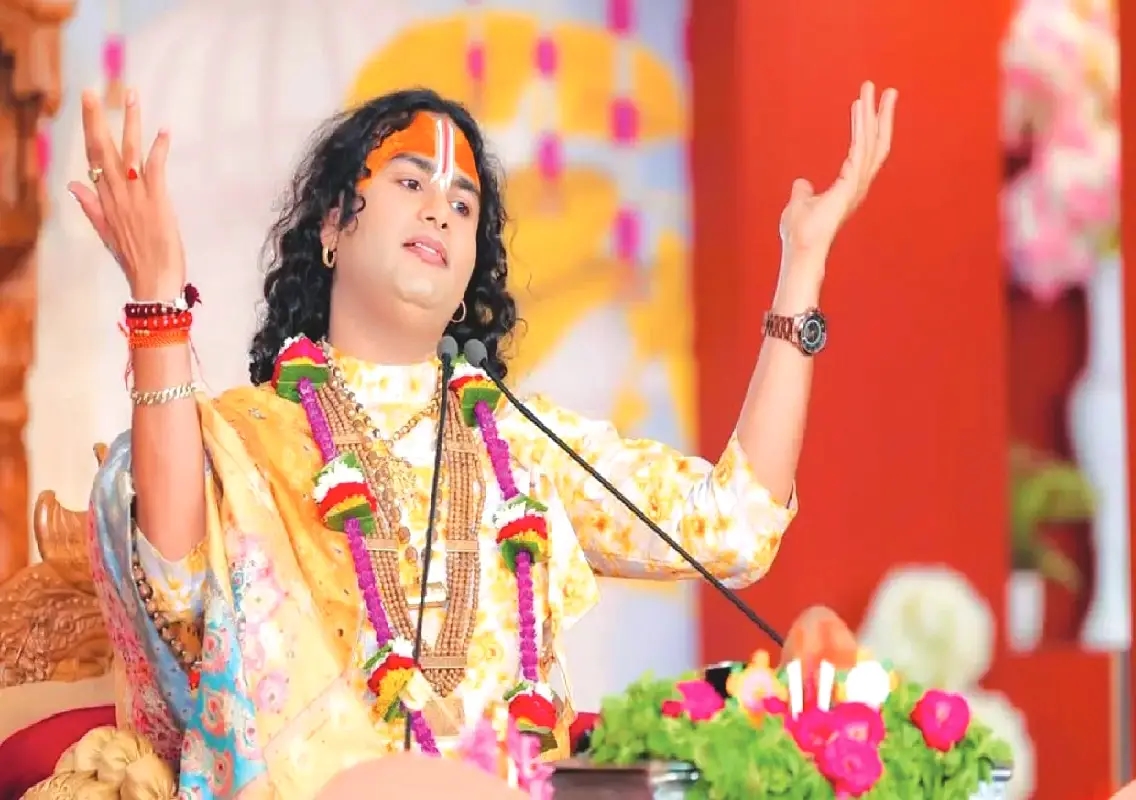


New Delhi: The Delhi High Court has passed an ex parte and ad interim order in favour of spiritual preacher Aniruddhacharya, restraining unauthorised use of his identity through artificial intelligence (AI)-generated content, deepfakes, and memes across digital platforms.
The order came in response to a petition filed by the preacher alleging widespread misuse of his persona by several individuals, including unidentified entities, who were allegedly creating misleading and fabricated content using his likeness.
Petition cites misuse of personality rights
In his plea before the court, Aniruddhacharya argued that he enjoys significant public recognition as a spiritual orator with a global following across platforms such as YouTube and Instagram.
He contended that his name, voice, appearance, distinctive speaking style, and even commonly used phrases form part of his legally protected personality and publicity rights.
The petition highlighted that multiple parties were creating AI-generated videos, deepfake clips, morphed visuals, and memes that distorted his sermons and portrayed him inaccurately. These included fabricated endorsements, altered speeches for humour, and impersonations that could mislead viewers.
Court finds prima facie case
Granting interim relief, the Delhi High Court observed that the petitioner had established a prima facie case. The court noted that given his public standing and popularity, the balance of convenience lay in his favour.
The court further stated that failure to grant immediate protection could result in irreparable harm to the preacher’s reputation, which could not be adequately compensated through monetary damages.
In its observation, the court remarked that the apprehension of damage to the petitioner’s image appeared “real and present”, warranting urgent judicial intervention.
Content not mere parody, says court
Importantly, the court rejected the argument that such content could be considered harmless parody. It observed that the material in question appeared to be disparaging and infringed upon the preacher’s personality rights.
The ruling underscores a growing judicial recognition of the risks posed by emerging technologies such as AI and deepfakes, particularly in relation to identity misuse and misinformation.
Directions to social media platforms
As part of its order, the court directed major digital platforms, including Meta Platforms, X (formerly Twitter), and Google, to remove and block access to the identified infringing content.
The platforms have also been instructed to take prompt action against similar content that may be flagged in the future.
The court granted liberty to the petitioner to submit additional links containing objectionable material for swift removal, without requiring fresh legal proceedings each time.
Growing concerns over AI misuse
The case highlights increasing concerns over the misuse of AI tools to create deepfakes and digitally manipulated content involving public figures. Legal experts note that such cases are likely to rise as AI technology becomes more accessible.
The order is seen as a significant step in strengthening protections for personality rights in the digital age, particularly against unauthorised commercial exploitation and reputational harm.
Conclusion
The Delhi High Court’s interim order in favour of Aniruddhacharya marks an important development in addressing the challenges posed by AI-driven content misuse. By recognising the potential harm caused by deepfakes and impersonation, the court has reinforced the need for stricter safeguards in the digital ecosystem.
As technology continues to evolve, the case sets a precedent for protecting individuals’ identity and reputation against unauthorised digital exploitation.