


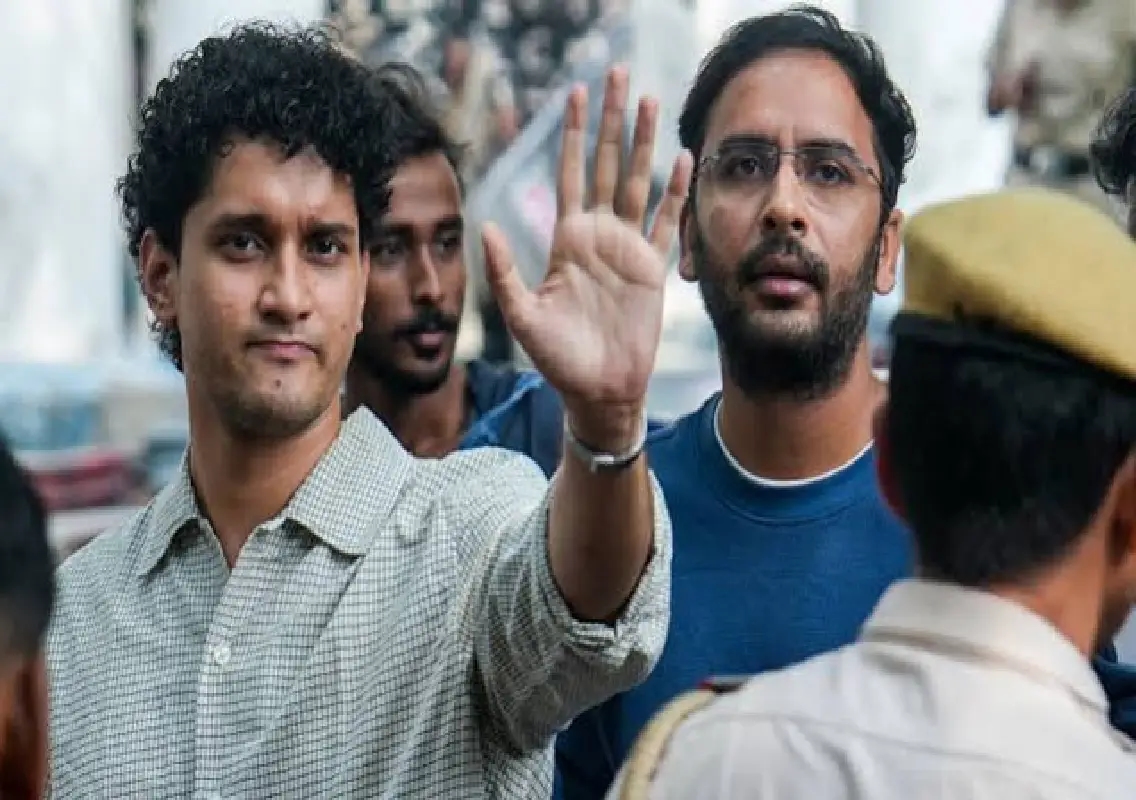


Delhi: The Delhi High Court heard a writ petition challenging the continued custody of CJP leaders Saurav Das and Ashutosh Ranka, who were detained following protests planned at Jantar Mantar. During the proceedings, the court discussed the alleged breach of peace bonds, the rejection of sureties and the legal remedies available under the Bharatiya Nagarik Suraksha Sanhita (BNSS).
The petitioners eventually withdrew their writ petition on their lawyers’ instructions. The High Court permitted the withdrawal without expressing an opinion on the merits of the case.
Court questions alleged breach of peace bonds
The bench referred to allegations that the petitioners had breached the peace bonds they furnished on October 11 by going to Jantar Mantar, which had been denotified as a protest site.
The court noted that a challenge to the denotification was pending before the Supreme Court and that the notification had not been stayed.
The bench also referred to reports of a barricade being broken, observing that such incidents could attract additional people, including individuals whose actions might not remain under the control of protest organisers.
Justice made oral observations about the importance of obtaining police permission for peaceful demonstrations, noting that the process could help prevent unwanted individuals from joining a gathering and disrupting it.
The bench also observed that the nature, objectives and activities of an organisation could become relevant when authorities assessed the possibility of a breach of peace. It referred to changes in the causes associated with the group’s protests and said such circumstances could be considered in proceedings concerning the liberty of its members.
Court discusses earlier protests and age of leaders
During the hearing, the court referred to the leaders’ participation in protests against the NEET paper leak in July. Their lawyer, Chimni, told the bench that Das was 27 and Ranka was 31.
The judge remarked that the two were not members of Gen Z, noting that the earlier protest had involved students while the issues surrounding the present proceedings had changed.
The court indicated that questions concerning the organisation’s identity, objectives and activities could be examined in the appropriate legal proceedings.
These observations formed part of the hearing and did not amount to a final determination of the petitioners’ claims.
Lawyer challenges rejection of sureties
Chimni argued that the rejection of the petitioners’ sureties was arbitrary and sought their release on personal bonds.
The court asked whether the petitioners would furnish fresh sureties that day and whether the order rejecting the sureties could be challenged through an appeal.
The bench observed that the BNSS provided legal remedies for grievances of this nature. Chimni expressed concern that withdrawing the writ petition could require the petitioners to approach the High Court again if their fresh sureties were rejected.
The court stressed that personal liberty was paramount but said the statutory remedies available under the BNSS should also be considered. It distinguished preventive custody from preventive detention while discussing the legal options available to the petitioners.
Chimni maintained that the October 19 order did not adequately explain the immediate threat allegedly posed by the petitioners.
The bench questioned whether the alleged breach of their earlier peace bonds was sufficient to indicate an imminent threat. It also observed that an appellate court could examine the facts of a case, whereas a writ court would focus on the decision-making process.
Following further submissions, Chimni withdrew the petition on instructions from his clients. The High Court allowed the withdrawal without commenting on the merits of the case.
Why were Das and Ranka detained?
Das and Ranka were detained at an airport on October 10 and proceeded against under Sections 126 and 170 of the BNSS ahead of planned protests in Delhi against the Chief Election Commissioner. They were released the same day after furnishing peace bonds of Rs 50,000.
They were apprehended again on October 14 following an attempt to hold a Tiranga protest at Jantar Mantar. The Sub-Divisional Executive Magistrate (SEM) subsequently extended their judicial custody through an order dated October 19.
In the order, SEM Ritu Raj stated that the respondents had deliberately breached their bonds and committed a breach of peace. The order also cited police concerns about their conduct and their reported calls for protests at areas that had been denotified as protest sites.
The SEM directed the leaders to furnish fresh sureties after finding the ones submitted unsuitable. According to the order, discrepancies were found between the photographs on the bond documents and those on the sureties’ Aadhaar cards. The sureties were also reportedly unable to provide satisfactory answers during the inquiry.
Further legal proceedings remain possible
With the withdrawal of the writ petition, the immediate focus shifts to the proceedings before the SEM and any further legal remedies the petitioners may pursue.
The High Court’s decision to permit withdrawal did not resolve the underlying disputes over the detention, the rejection of sureties or the circumstances surrounding the alleged breach of peace bonds.
The case highlights the legal questions that can arise when authorities impose preventive measures in connection with public demonstrations, including the balance between individual liberty, the right to protest and the maintenance of public order.