







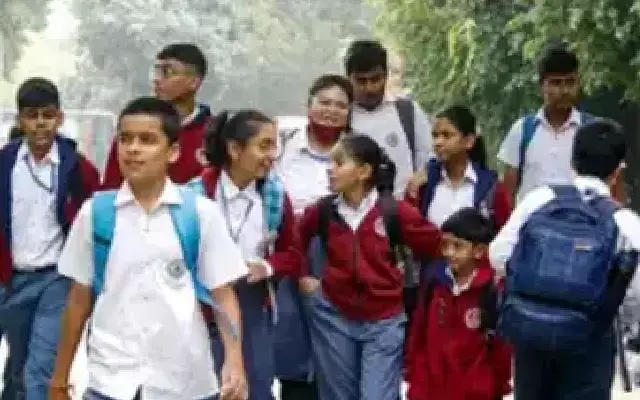


Delhi’s air quality has worsened significantly, crossing the 400 AQI threshold, which is considered a very severe level of pollution. In response to this crisis, educational regulators have introduced hybrid learning for schools up to the 12th grade, as well as colleges. This decision comes after the Supreme Court’s directive on air quality management, urging educational institutions to implement flexible teaching methods to protect students from the hazardous air conditions.
With the pollution levels at alarming highs, the hybrid model allows students to participate in classes both online and offline, reducing their exposure to harmful air pollutants. This move is part of the city’s broader efforts to mitigate the health risks posed by the deteriorating air quality.
As the pollution crisis continues to challenge the daily life in Delhi, these steps aim to ensure that education continues while safeguarding the health of students and faculty alike.
Read also