







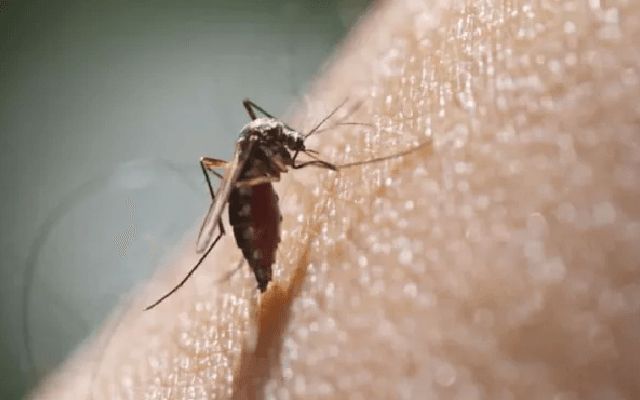


Dengue fever, caused by the dengue virus and spread through Aedes aegypti mosquitoes, is a significant concern during the monsoon season when stagnant water facilitates mosquito breeding. Symptoms include high fever, headaches, joint pain, and rash. Preventive measures are crucial to reducing transmission risk:
1. Eliminate Standing Water: Regularly empty containers like plant saucers and buckets to prevent mosquito breeding. Keep drains clear and cover water storage to inhibit egg-laying.
2. Use Mosquito Repellents: Apply repellents on skin and clothing to avoid mosquito bites. Reapply as needed, particularly after sweating or swimming. Indoor options like coils and vapor mats offer added protection.
3. Wear Protective Clothing: Wear long-sleeved shirts, pants, socks, and shoes outdoors to minimize exposed skin during peak mosquito hours.
4. Install Mosquito Screens: Use screens on windows and doors to prevent mosquitoes from entering living spaces. Bed nets are also effective, especially during daytime sleep.
5. Maintain Clean Surroundings: Dispose of garbage properly and clean gutters regularly to reduce mosquito breeding sites in your vicinity.
6. Use Mosquito Traps: Employ traps to decrease mosquito populations in active areas. Various types are available, using light, heat, or attractants.
7. Change Water in Containers: Replace water in vases, bird baths, and pet bowls weekly to disrupt mosquito breeding cycles.
By consistently applying these precautions, individuals can significantly lower the risk of contracting dengue fever, contributing to community-wide efforts in disease prevention during the monsoon season.