







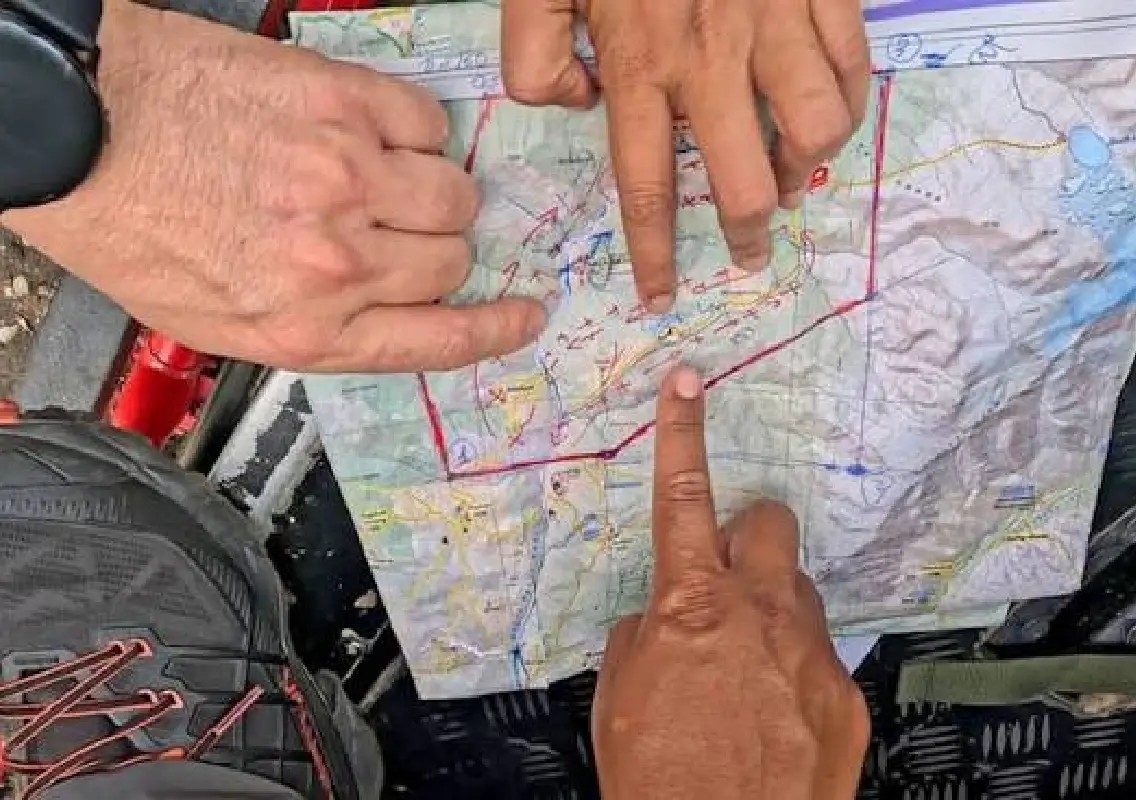


Families of hundreds of foreign nationals missing after Nepal’s devastating Bhotekoshi floods are continuing to seek information about their loved ones, even as difficult terrain and the scale of the disaster complicate search and identification efforts.
The floods, triggered by a glacial collapse on August 26, swept through areas along Nepal’s northern border, leaving thousands missing. Nepal’s authorities have recovered more than 1,399 bodies, while around 5,200 people, including 636 foreigners, remained unaccounted for as of September 16.
Families face a painful wait
For relatives who have travelled to Nepal, the uncertainty has become particularly difficult. Some are searching hospitals and official records, while others are trying to obtain information through embassies, police and the Nepal Tourism Board.
Tourist Police records cited by The Kathmandu Post put the number of missing foreign tourists at 607, with Indians accounting for the largest group at 189. The list also includes nationals from the United States, Malaysia, Ukraine, China, Latvia, Australia, Britain and Canada.
Families are now seeking not only continued searches but also formal confirmation about what happened to their relatives.
DNA testing offers a path to identification
Nepal has begun a major DNA collection and identification effort. Authorities have collected DNA samples from recovered bodies and relatives of missing people, while forensic teams from India, China, Japan, Singapore and South Korea are assisting Nepal Police.
The government has also asked relatives living abroad to provide DNA profiles through their local authorities for comparison with unidentified remains.
However, officials say death certificates cannot be issued solely because a person has disappeared. Families must wait for identification or other official confirmation.
With rescue teams still working in difficult mountainous areas, relatives remain caught between hope and uncertainty, waiting for news that could finally bring them clarity about their loved ones.