







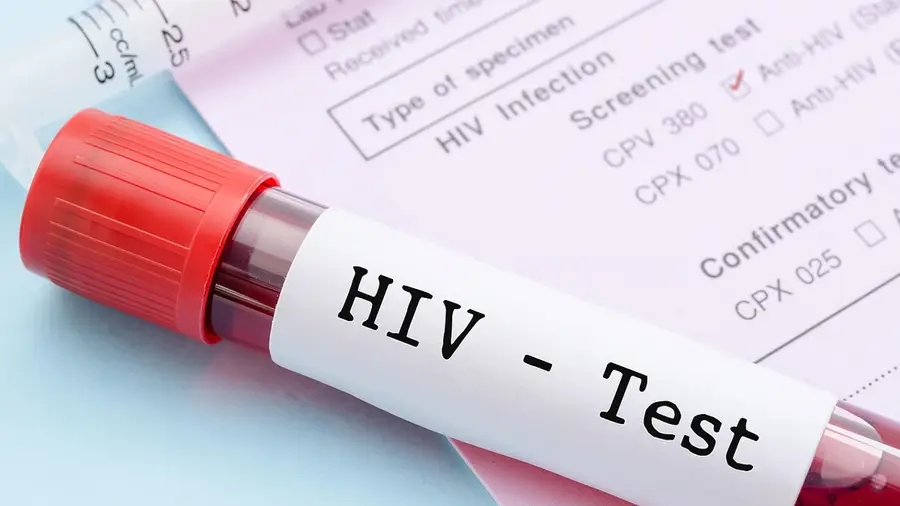


In one of the most serious public health failures in recent years, five children suffering from thalassemia have contracted HIV after being administered infected blood during transfusions at government hospitals in Madhya Pradesh’s Satna district, an investigation has revealed.
The children, all dependent on regular blood transfusions for survival, were collectively given 189 units of blood sourced from three blood banks, exposing them to blood from more than 150 donors. A district-level inquiry has confirmed that the HIV infection originated from donor blood, indicating a grave breach in mandatory screening protocols.
First HIV case detected in March, response delayed
The first warning sign emerged on March 20, when a 15-year-old thalassemia patient tested HIV positive. Between March 26 and 28, two more children were diagnosed, followed by a fourth case on April 3. Despite these confirmations, hospital and district authorities allegedly failed to initiate an emergency audit or preventive measures for nearly nine months.
During this period, no public alert was issued and transfusions continued, raising serious concerns about systemic silence and inaction.
Health department suspends officials
Following the preliminary findings of a seven-member inquiry committee, the Department of Public Health and Family Welfare has suspended the blood bank in-charge and two laboratory technicians. A show-cause notice has also been issued to the former Civil Surgeon of Satna District Hospital, Dr Manoj Shukla, warning of strict action if his explanation is found unsatisfactory.
Families face irreversible consequences
The families of the affected children, most from economically weak backgrounds, are now grappling with lifelong consequences. One parent told investigators that his daughter, diagnosed with thalassemia at nine, now requires anti-retroviral treatment that is causing severe side effects.
“She needs blood every eight days. Now she vomits constantly and keeps falling ill,” he said.
Platelets under scrutiny, oversight questioned
Investigators are examining whether platelets processed locally, rather than plasma sourced through contracted agencies with multi-layer testing, could have been the source of infection. This has exposed a dangerous loophole in oversight mechanisms.
Opposition alleges criminal negligence
The opposition has termed the incident criminal negligence. Congress leader Dr Vikrant Bhuria said blood screening and surveillance systems had collapsed, pointing out that only 125 of nearly 250 donors could be traced.
With Madhya Pradesh already recording over 70,000 HIV patients, health experts warn that even a single lapse in blood safety constitutes a public health emergency.