







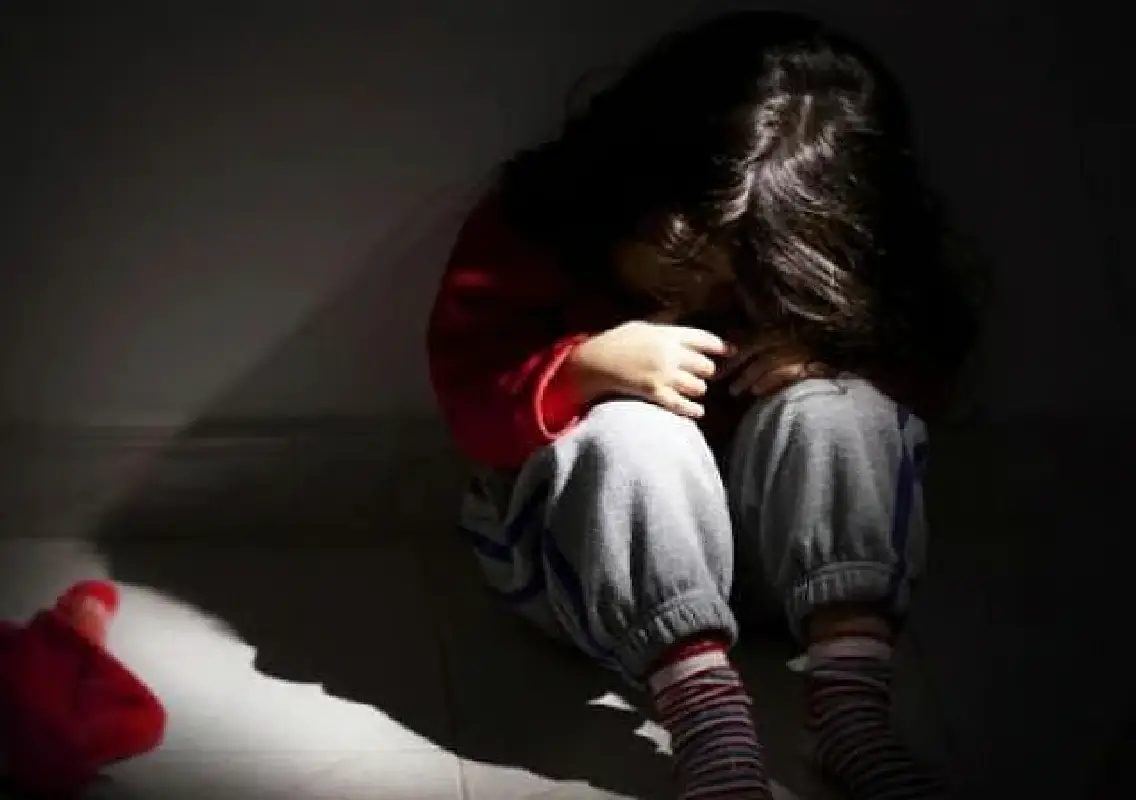


Mumbai Police have registered a case under relevant provisions of the POCSO Act against a woman and a man known to her, after a 17-year-old girl informed her schoolteacher that she had been subjected to inappropriate behaviour at home over several months. The incident came to light when the teenager confided in her teacher, prompting immediate intervention by child-protection authorities.
According to officials from the Women Against Women (WAW) cell of Mumbai Police, the matter was escalated after the teacher alerted a city-based NGO. Following a preliminary inquiry and verification of the girl’s statements, officers from Ghatkopar Police Station filed an FIR against both the woman and her acquaintance. The case has since been transferred to a specialised team dealing with offences involving minors.
Complaint surfaced after student confided in her teacher
Police sources said the Class 10 student approached her teacher earlier this week with details about feeling unsafe at home during specific periods. The teacher, mandated under child-protection guidelines to report such disclosures, immediately contacted an NGO specialising in child welfare.
The NGO subsequently informed the Mumbai Police, who initiated a preliminary inquiry to assess the girl’s safety and verify her account. Officers said the girl appeared distressed and hesitant but provided consistent details during the initial conversation, enabling authorities to proceed with registering a formal complaint.
Officials highlighted that the girl had discontinued her education for nearly two years during the Covid-19 pandemic and had only resumed full-time classes recently. This, they noted, could have contributed to delays in reporting her concerns.
Police action and legal procedure under way
A senior officer from the WAW branch confirmed that the FIR includes sections under the POCSO Act applicable to offences involving minors. Officers have also invoked provisions addressing the responsibilities of guardians in ensuring a child’s safety.
Police stated that they have initiated a thorough investigation, which includes recording statements from teachers, neighbours, family members and NGO representatives who assisted in bringing the case forward. The girl is currently being counselled in a protected setting and her statement is being documented before a Child Welfare Committee (CWC) as per procedure.
Authorities reiterated that the identity of the minor will remain fully confidential. The investigating team is examining the household environment, timeline of events, and any lapses in supervision that may have contributed to the situation.
Child welfare officials assisting the survivor
Representatives from the CWC and psychologist-trained counsellors have been appointed to support the girl throughout the legal process. Officials said she is stable and receiving emotional assistance to cope with the stress of recounting the events.
Child-protection experts emphasised that timely reporting by teachers and NGOs plays a crucial role in safeguarding minors, especially when alleged misconduct occurs within familiar circles where children are often hesitant to speak out.
Authorities also noted that the father, who was frequently away at work, may not have been aware of the situation. Police are verifying all accounts to establish the sequence of events and determine whether additional individuals may have overlooked warning signs.
Community response and next steps in the investigation
The incident has prompted renewed discussions among educators and child-rights advocates about the need for awareness programmes on recognising early signs of distress among students. Several school administrators in Ghatkopar have reportedly reached out to NGOs to organise sensitisation sessions for teachers and staff.
Meanwhile, the police are collecting digital evidence, verifying call records and conducting neighbourhood inquiries. Officers said that both accused individuals will be questioned extensively to determine the accuracy of the allegations and to establish whether the circumstances indicate sustained neglect or active involvement by the guardian.
Investigators stressed that the case remains at a preliminary stage and urged the public to allow the legal process to take its course. They also reminded residents to immediately report any suspected child-endangerment situations to helpline numbers or local authorities.
Conclusion
The case underscores the critical role of schools, NGOs and community members in identifying and reporting potential risks to children. While the investigation is ongoing, authorities have assured that the teenager is receiving support and that all legal measures are being followed to determine accountability. The outcome of the inquiry is expected to provide more clarity on how the incident unfolded and what further actions may be required.