







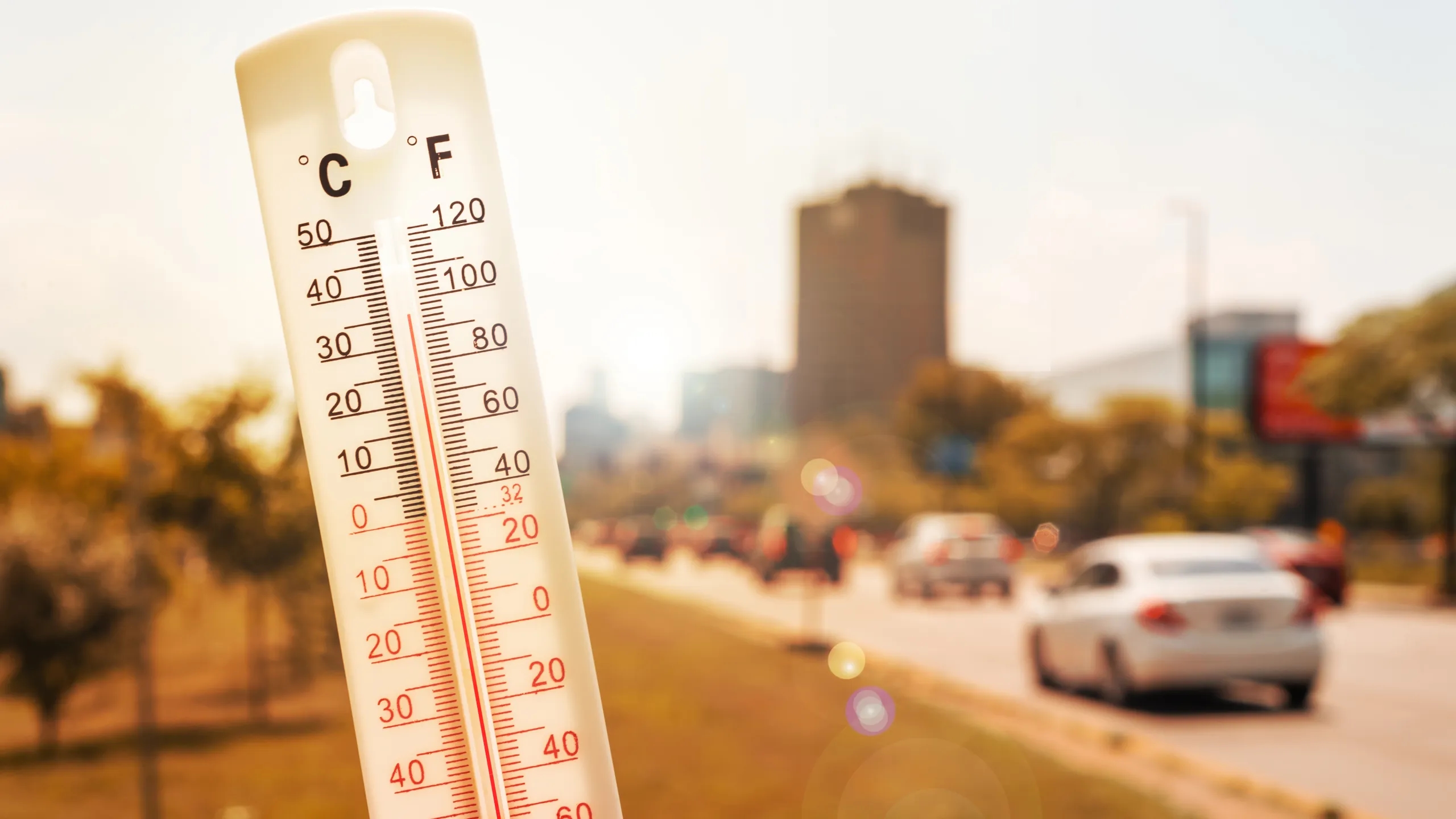


A global study warns that nine major Indian cities, including Mumbai, Delhi, and Bengaluru, are prioritizing short-term heatwave responses but are falling behind on crucial long-term strategies. The report, authored by researchers from Sustainable Futures Collaborative, King’s College London, Harvard, Princeton, and UC Berkeley, flags a looming rise in heat-related deaths unless durable solutions are urgently implemented.
Using advanced climate models, the study pinpoints Bengaluru, Delhi, Faridabad, Gwalior, Kota, Ludhiana, Meerut, Mumbai, and Surat as cities poised for the sharpest increases in dangerous heat index levels—factoring both temperature and humidity—compared to historical norms.
Mumbai, with over 12 million residents, is already grappling with early, prolonged heatwaves worsened by high humidity. This combination weakens the body’s natural ability to cool through sweating, intensifying health risks. While Maharashtra has a State Heat Action Plan and Mumbai follows its Climate Action Plan, the study found these measures focus mainly on short-term steps.
Across all nine cities, key long-term efforts—like ensuring household cooling access for vulnerable populations, insurance to cover wage losses during heatwaves, fire safety improvements, and power grid enhancements—are either missing or insufficient.
Interestingly, the research notes that in Mumbai, Bengaluru, and Surat, continuous involvement from civil society groups has nudged local governments towards better climate preparedness. It emphasizes that deeper, sustained collaboration with such organizations is essential to bridge policy gaps and strengthen resilience.
- Cricketer collapses, dies on Adelaide field amid brutal heatwave
- Karnataka Braces for Heatwave as Temperatures Soar
#HeatWaveAlert #UrbanClimateCrisis #LongTermSolutions #ClimateResilience