


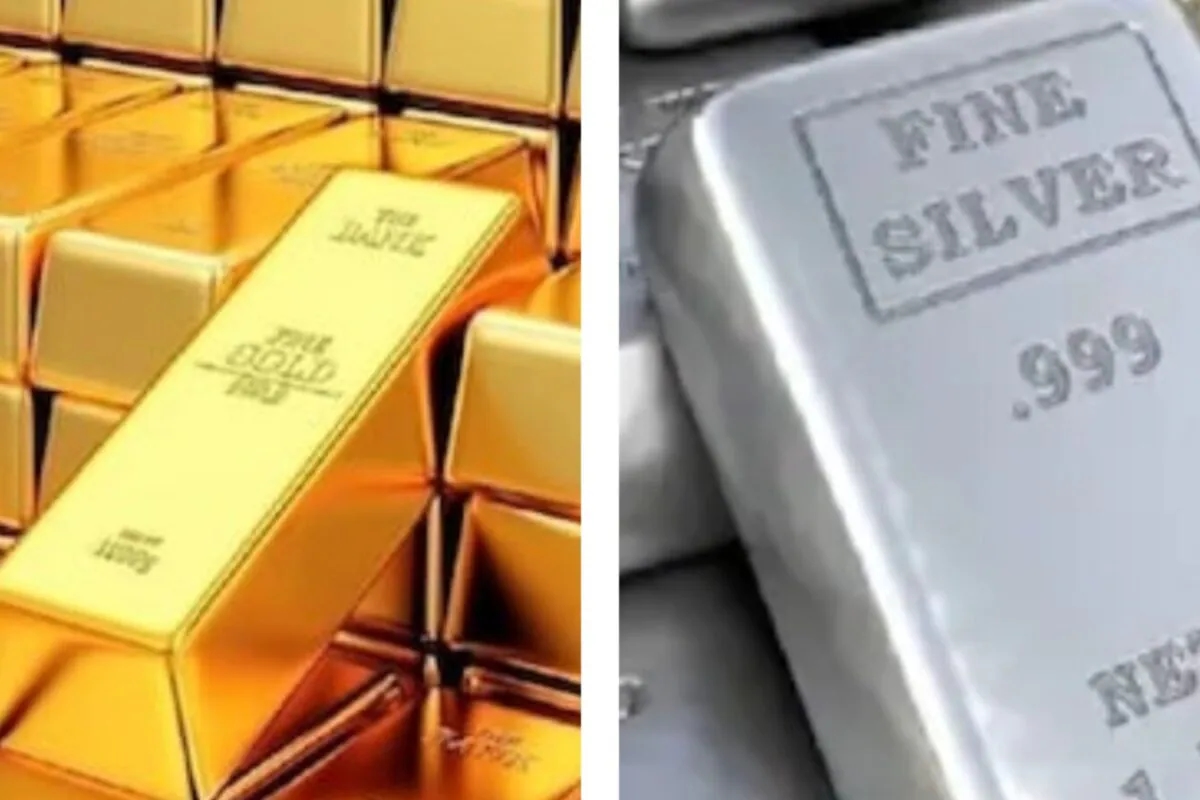


Mumbai: Gold and silver prices recovered on the Multi Commodity Exchange (MCX) on Monday, November 2, following heavy selling pressure in the previous week. While gold futures remained below Rs 1,39,000 per 10 grams, silver recorded a stronger rebound, gaining more than 1.6% as international bullion prices recovered.
The movement came as investors assessed developments in crude oil prices, the US dollar and expectations surrounding the US Federal Reserve’s interest-rate policy. Reports of renewed talks in Doha aimed at ending the US-Israeli war on Iran also influenced sentiment in the commodity market.
At 2.14 pm on Monday, MCX gold futures for December delivery were trading at Rs 1,38,658 per 10 grams, up Rs 173 or 0.12% from the previous close of Rs 1,38,485. During the session, the contract had touched a low of Rs 1,38,350.
Silver futures for December delivery recorded a sharper recovery. The contract gained Rs 2,922, or 1.63%, to trade at Rs 1,82,054 per kg, compared with the previous close of Rs 1,79,132. The metal remained below the Rs 1,83,000 mark despite the day’s gains.
The rebound followed a difficult week for precious metals, with both gold and silver facing selling pressure in domestic and international markets. Monday’s recovery offered some relief, although analysts cautioned that the latest gains were not enough to establish a sustained reversal in the broader price trend.
Why are gold and silver prices rising today?
The recovery in domestic bullion prices followed a rebound in international markets after a sharp correction.
Spot gold rose 0.7% to $3,900.90 an ounce on Monday. This came after the metal declined 3.5% on Friday, reaching a one-year low. Spot silver also recovered, gaining 1.8% to $49.97 an ounce.
One factor influencing the recovery was the movement in crude oil prices. Oil prices declined following reports of renewed talks in Doha aimed at ending the US-Israeli war on Iran.
Lower crude oil prices can ease concerns about inflation by reducing pressure from energy costs. This, in turn, may influence expectations about the direction of interest rates in major economies, particularly the United States.
Gold and silver are sensitive to changes in interest-rate expectations because they do not generate interest income. When investors expect interest rates to remain high or rise further, interest-bearing assets can become more attractive relative to precious metals.
However, the outlook remains uncertain. Despite Monday’s recovery, expectations of further monetary tightening continued to weigh on bullion prices.
According to Reuters, markets were pricing in a 73% probability of a US interest-rate hike in December. Such expectations can limit gains in gold and silver because higher rates generally increase the opportunity cost of holding non-yielding assets.
The US dollar is another important factor for international bullion prices. Changes in the dollar’s value can affect the cost of gold and silver for buyers using other currencies, influencing demand in global markets.
Gold price outlook: Key support and resistance levels
Market experts have pointed to important technical levels that could influence gold’s movement in the near term.
Ponmudi R, CEO of Enrich Money, identified immediate resistance for gold in the Rs 1,40,000-1,41,000 range. The support zone was placed between Rs 1,37,500 and Rs 1,38,300.
According to Ponmudi, gold would need to sustain a move above the resistance range to stabilise its price structure. Until then, the recovery could remain vulnerable to renewed selling pressure.
The support range is also important because it indicates the levels at which buying interest may emerge if prices decline again. A sustained move below this zone could increase pressure on the metal.
Kaveri More, Commodity Technical Analyst at Choice Broking, said MCX gold had declined by around 3% to 4% over the previous week. She noted that the recent low was Rs 1,38,249.
More said festive-season demand and softer crude oil prices could provide near-term support to gold. However, she added that the outlook would continue to depend on movements in the US dollar, crude oil prices and expectations surrounding the Federal Reserve’s monetary policy.
The comments suggest that domestic demand may offer some support, but international economic developments will remain important in determining the direction of bullion prices.
Silver rebounds, but market concerns remain
Silver recorded a stronger recovery than gold on Monday, rising by Rs 2,922 to Rs 1,82,054 per kg on the MCX.
However, the metal’s broader technical and demand-related picture remains a concern for analysts.
More highlighted the gold-silver ratio, which was around 78:1 compared with a recent high of 79.4. The ratio indicates how many ounces of silver are equivalent in value to one ounce of gold. Its movement can offer an indication of the relative performance of the two precious metals.
According to More, the ratio’s recent movement reflected a sharper correction in silver compared with gold.
She also pointed to subdued physical demand from India and China, cautious central bank buying and liquidity-driven selling as factors weighing on market sentiment.
Physical demand from major consuming markets is an important consideration for silver prices. When jewellery, investment and industrial demand remain subdued, it can limit the strength of a price recovery.
Ponmudi placed silver’s immediate resistance at Rs 1,86,000-1,88,000 per kg, while support was identified in the Rs 1,78,000-1,80,000 range.
The metal’s ability to move above the resistance zone could be important for determining whether the recovery gains momentum. On the other hand, a decline towards the support range would indicate that selling pressure remains significant.
Ponmudi cautioned that a rebound from oversold levels does not automatically confirm a reversal in the broader trend. Investors may therefore need to watch whether silver can sustain its gains rather than relying on a single session’s recovery.
What should investors watch next?
The near-term direction of gold and silver is likely to depend on a combination of international economic developments and domestic market demand.
For gold, investors will be watching the US Federal Reserve’s interest-rate outlook, movements in the dollar and crude oil prices. Any change in expectations about US monetary policy could influence the appeal of precious metals.
Developments in the West Asian conflict and the reported diplomatic efforts in Doha could also affect energy prices and inflation expectations. A sustained decline in crude oil prices may ease some inflation concerns, although the impact on bullion will depend on how markets interpret the broader economic outlook.
For silver, the recovery in international prices and the strength of physical demand in India and China will remain important. The gold-silver ratio and the technical support and resistance levels identified by analysts may also offer clues about relative price performance.
Monday’s gains brought some relief after last week’s correction, particularly for silver. However, gold remained below Rs 1,39,000 per 10 grams, while silver was still below Rs 1,83,000 per kg as of 2.14 pm.
The latest rebound therefore points to a recovery in prices rather than a confirmed change in the broader trend. Investors should monitor subsequent trading sessions and consider the volatility in bullion markets before making buying or selling decisions.