







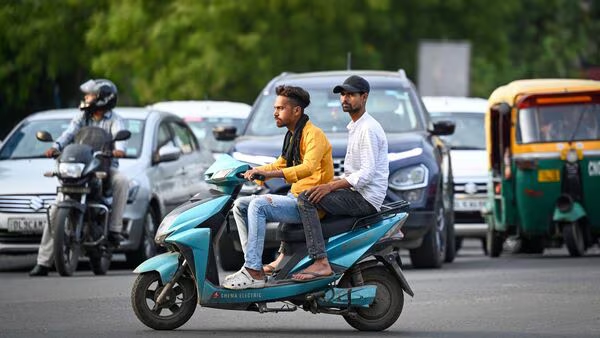


In a bid to crack down on traffic violators, the government plans to introduce stringent measures to ensure payment of e-challans. Drivers who fail to pay their fines within three months could face suspension of their driving licenses, while those accumulating three major violations — like jumping red lights or dangerous driving — within a year may have their licenses confiscated for at least three months.
The government has also prepared a strategy to link pending challans to higher insurance premiums. This follows a Supreme Court directive to 23 states and seven union territories to enforce electronic monitoring of traffic rules under the Central Motor Vehicles Act. Section 136A of the Act mandates advanced technologies like speed cameras and automatic number plate recognition systems to help in better traffic law enforcement.
A significant issue has been the low recovery rate of e-challan fines, with Delhi’s rate at a mere 14%, followed by Karnataka (21%) and Tamil Nadu (27%). States like Rajasthan, Maharashtra, and Haryana have seen higher recovery rates, ranging from 62% to 76%.
To address non-compliance, the government will implement a standard operating procedure to ensure timely e-challan alerts and penalties. Vehicle owners will be required to update their details on official portals, with failure to do so preventing access to essential services like insurance renewals and pollution under control (PUC) certificates.
- Illegal Sand Mining in Phalguni: Land Seized, Heavy Fines Imposed
- Drive Safe, Save Big: Bengaluru’s Traffic Fines Surge 10x from March 1, 2025
#TrafficViolations #EchallanReforms #LicenseSuspension #GovernmentMeasures