







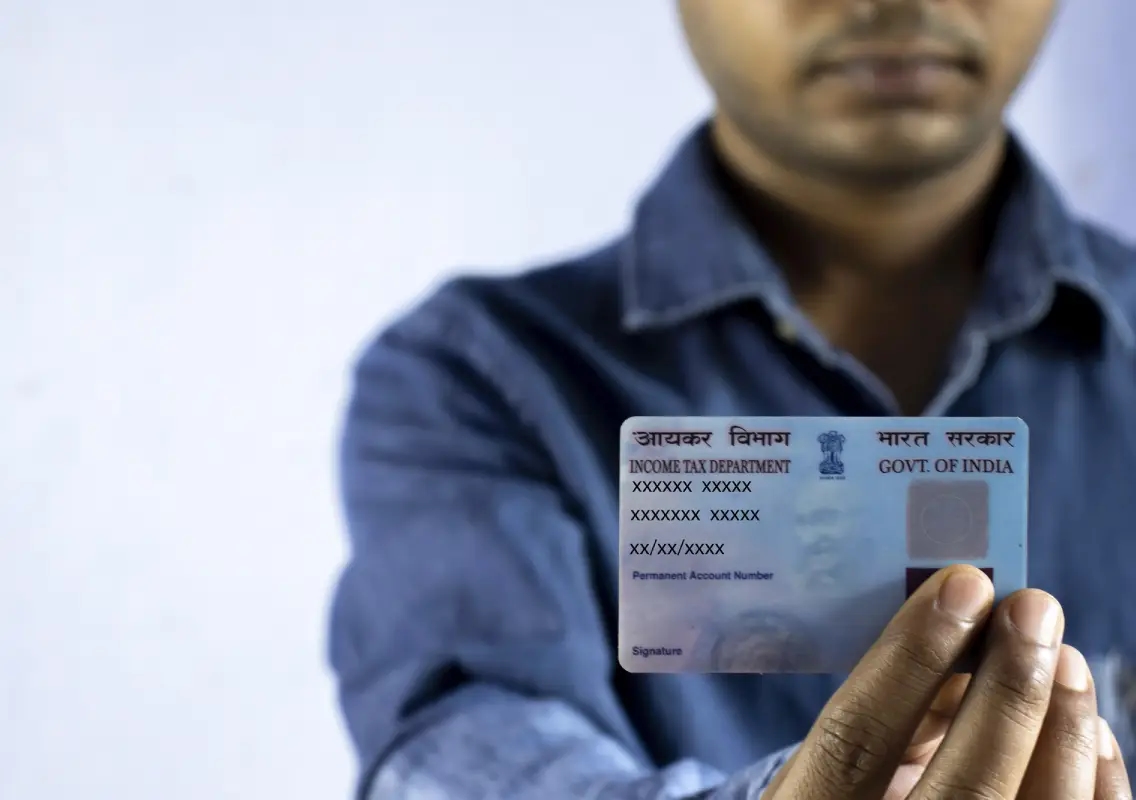


In a significant move towards e-Governance and ease of doing business, the government announced the ₹1,435 crore PAN 2.0 Project, aimed at re-engineering taxpayer registration services and transforming the Permanent Account Number (PAN) into a ‘common business identifier’ for digital systems across government agencies.
The Cabinet Committee on Economic Affairs (CCEA), chaired by Prime Minister Narendra Modi, approved the project, which aligns with the government’s Digital India initiative to provide a seamless digital experience for taxpayers.
Objectives of PAN 2.0
The PAN 2.0 Project focuses on:
- Technology-driven transformation: Improving taxpayer registration and PAN/TAN services.
- Data consistency: Ensuring a single source of truth for government databases.
- Eco-friendly and cost-optimised processes: Reducing paper dependency and operational costs.
- Enhanced infrastructure security: Ensuring data safety while enhancing operational agility.
According to Information and Broadcasting Minister Ashwini Vaishnaw, the project will not only modernise PAN systems but also create a unified, efficient mechanism for taxpayer identification.
PAN as a common identifier
As part of the project, the PAN will serve as a common identifier for specified government agencies, simplifying interactions between businesses and various departments. This feature is designed to ease access, speed up service delivery, and improve quality for taxpayers.
“This will be an upgrade of the current PAN/TAN 1.0 ecosystem, consolidating core and non-core activities, including PAN validation services,” an official statement mentioned.
Scale and impact
Currently, approximately 78 crore PANs have been issued, with 98% allocated to individuals. The PAN 2.0 Project is expected to further integrate PAN’s utility into various government services, boosting efficiency and transparency.
A step forward in e-Governance
The PAN 2.0 initiative reflects the government’s broader push towards digital transformation, making governance more efficient and citizen-friendly. With advanced technological integration, the project aims to minimise errors, enhance data consistency, and improve taxpayer experiences.