







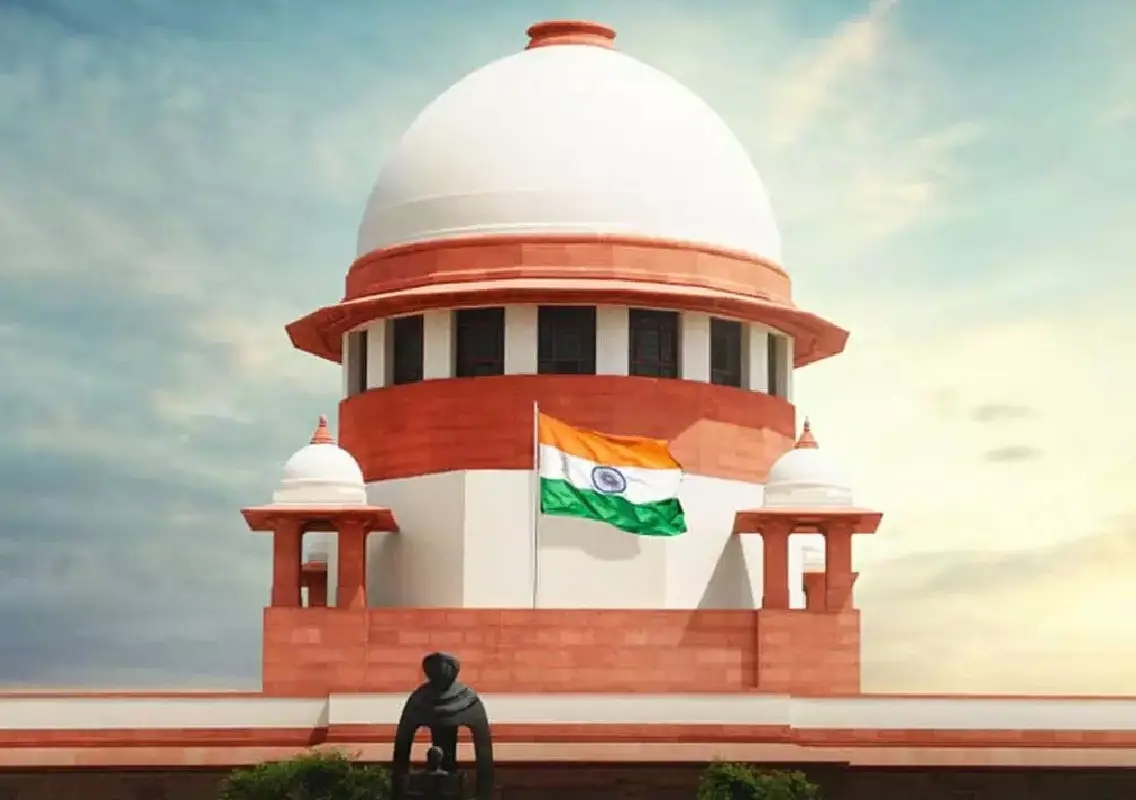


New Delhi, Sept 9: The Karnataka government told the Supreme Court on Tuesday that the President and governors are only “titular heads” under the constitutional framework and are bound to act on the aid and advice of the council of ministers, both at the Centre and in the states.
Senior advocate Gopal Subramanian, appearing for Karnataka, argued before a five-judge Constitution Bench led by Chief Justice BR Gavai, that Article 361 of the Constitution shields the President and governors from criminal proceedings since they do not exercise executive powers themselves.
Satisfaction lies with the Cabinet, not Governor
Subramanian emphasised that the governor’s satisfaction on bills passed by the assembly is not personal, but that of the council of ministers. “The Constitution does not envisage any parallel administration in a state alongside the elected government,” he told the bench.
Ongoing Presidential reference
The remarks came on the eighth day of hearings on the Presidential reference seeking clarity on whether courts can prescribe timelines for governors and the President to act on bills passed by state assemblies.
Among the 14 questions referred by President Droupadi Murmu, the court is examining:
- Whether constitutional authorities can indefinitely withhold assent to bills.
- Whether courts can mandate fixed timeframes for such decisions.
Diverging state views
Subramanian also cited past Supreme Court verdicts that allowed governors limited discretion, particularly regarding sanction under Section 197 of CrPC.
Earlier, on September 3, the West Bengal government told the court that the “will of the people” expressed through a bill cannot be left to the “whims and fancies” of governors or the President, since the executive cannot interfere with the legislative process.
The hearings are set to continue this week.