







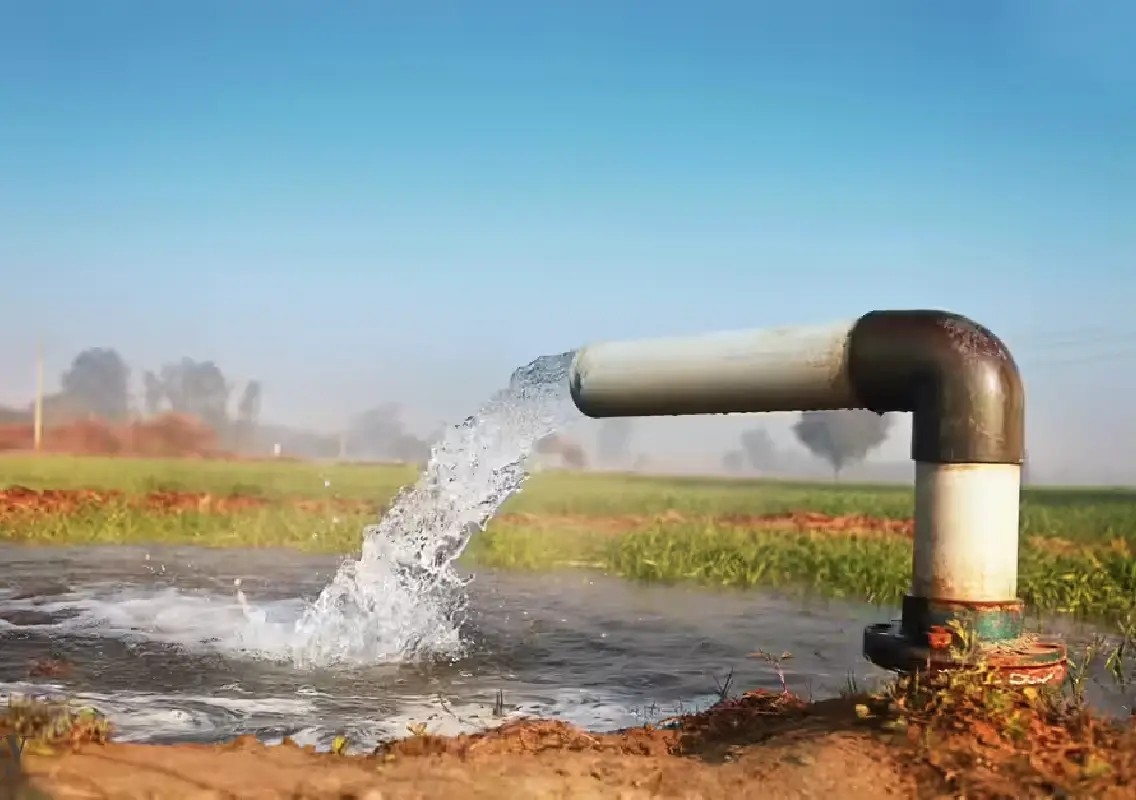


Groundwater levels have continued to decline in several urban and industrial parts of Gurugram over the past five years, highlighting severe local water stress despite an overall improvement in the district’s average groundwater table.
Fresh data from the Ground Water Cell, based on readings from more than 50 observation wells across Gurugram, Sohna, Pataudi and Farrukhnagar between June 2020 and June 2025, revealed that heavily urbanised areas remain under increasing pressure due to excessive groundwater extraction.
Industrial and residential areas worst affected
Among the worst-hit locations was Dundahera, where the groundwater level dropped from 112.7 metres below ground level in 2020 to 117.15 metres in 2025.
Other areas also recorded worrying declines. Chakkarpur saw its water table fall from 73.65 metres to 75.25 metres, while Kherki Daula declined from 43.55 metres to 46.8 metres. Wazirabad experienced the steepest fall, with groundwater levels plunging by more than 10 metres, from 39.6 metres to 50.1 metres over the five-year period.
Experts said district-wide averages often hide severe local groundwater depletion, making well-wise monitoring essential for identifying critical stress zones.
Excessive extraction remains a concern
According to the Central Ground Water Board’s National Compilation on Dynamic Ground Water Resources of India 2025, Gurugram continues to extract groundwater at 194.6 per cent of the permissible limit, placing enormous pressure on underground aquifers.
Environmental experts have called for neighbourhood-level groundwater planning, stricter monitoring of borewells, regulation of groundwater extraction by industries and housing societies, and better implementation of rainwater harvesting systems.
Some recharge efforts show positive results
Despite the overall concern, certain locations recorded encouraging improvements. The rainwater harvesting monitoring well in Sector 4 improved from 11.9 metres to 7.7 metres below ground level, while Sadhrana’s recharge structure also showed better groundwater levels.
Several villages in Pataudi and Farrukhnagar also witnessed groundwater recovery, although many localities in Sohna and other parts of the district continued to experience depletion.
Experts stressed that expanding recharge infrastructure, reviving ponds, increasing the use of treated wastewater and making well-wise groundwater data publicly available would be crucial to tackling Gurugram’s growing water crisis.