









New Delhi: Government launches major GST reform campaign
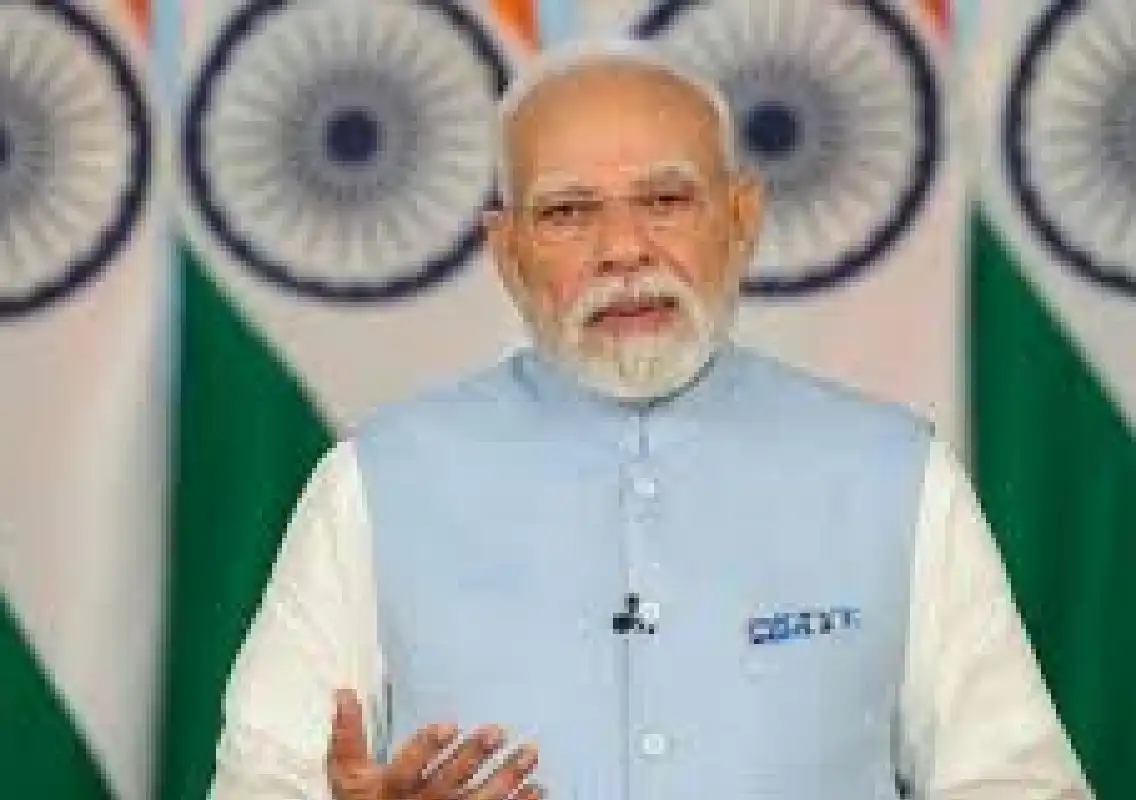
The Union Government is set to launch the GST Bachat Utsav from 22 September 2025, marking the rollout of next-generation Goods and Services Tax reforms. Prime Minister Narendra Modi, in his national address, said the move will provide a “double bonanza” to the poor, neo-middle class and middle class, while boosting the economy.
Simplified GST structure
The new system reduces the earlier four tax slabs into two major slabs – 5% and 18% – with some exceptions for luxury and sin goods. Almost 99% of products previously taxed at 12% will now attract 5%, while nearly 90% of items under the 28% bracket will move to 18%. Luxury cars, cigarettes and similar items will continue to be taxed at higher rates through a compensation cess.
Relief for households
According to PM Modi, the reforms will directly lower the cost of essentials and improve disposable income. The government estimates that the combined impact of the GST changes and recent income tax exemptions – which made income up to ₹12 lakh tax-free – will result in annual savings of more than ₹2.5 lakh crore for Indian households.
Festival-linked campaign
The launch coincides with the beginning of Navratri, aligning with the festive shopping season. The government has planned a one-week campaign with market visits, trader awareness drives and public outreach to ensure that businesses pass on the benefits of reduced tax rates to consumers.
Swadeshi push
Alongside the reforms, PM Modi urged people to prefer Swadeshi products and support the Aatmanirbhar Bharat initiative. He emphasised that tax reforms would not only help consumers but also boost domestic manufacturing and encourage states to attract investments.
Conclusion
The GST Bachat Utsav signals one of the biggest overhauls of India’s indirect tax system since its introduction in 2017. While the government highlights consumer savings and industry revival, its success will depend on quick adoption by traders and transparent implementation at the state level.