







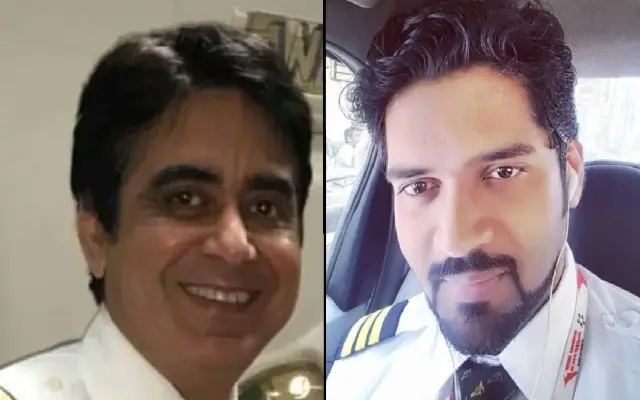


In a tragic turn of events, an Air India Boeing 787-8 Dreamliner en route to London crashed shortly after takeoff in Gujarat, marking the first fatal incident involving this aircraft model. In a chilling final communication, the captain issued a mayday, stating, “No thrust, losing power, unable to lift.”
The exact cause remains unclear, but the distress call points toward a sudden loss of engine power or lift. Video footage showed the aircraft failing to gain height, staying unusually low, and then descending rapidly—suggesting a possible stall due to insufficient speed and lift.
Experts are also examining whether flap deployment or gear retraction issues played a role. Witnesses and preliminary data suggest that flaps might not have been extended during takeoff, and the landing gear appeared to still be down, indicating that normal takeoff procedures may not have been fully followed.
Theories range from bird strikes damaging both engines to fuel contamination potentially blocking engine performance. High ambient temperatures—around 40°C—may have compounded the issue by lowering air density, making lift more difficult to achieve during takeoff.
The aircraft, aged 11 years, belonged to a widely used global fleet. Although the 787 Dreamliner boasts a strong safety record, past concerns about design complexity and maintenance standards have resurfaced.
Flight recorders are now being analysed to determine if pilot error, system failure, or multiple factors caused the crash. Meanwhile, India’s aviation watchdog has ordered urgent inspections of all Air India Dreamliners.
Read Also: