







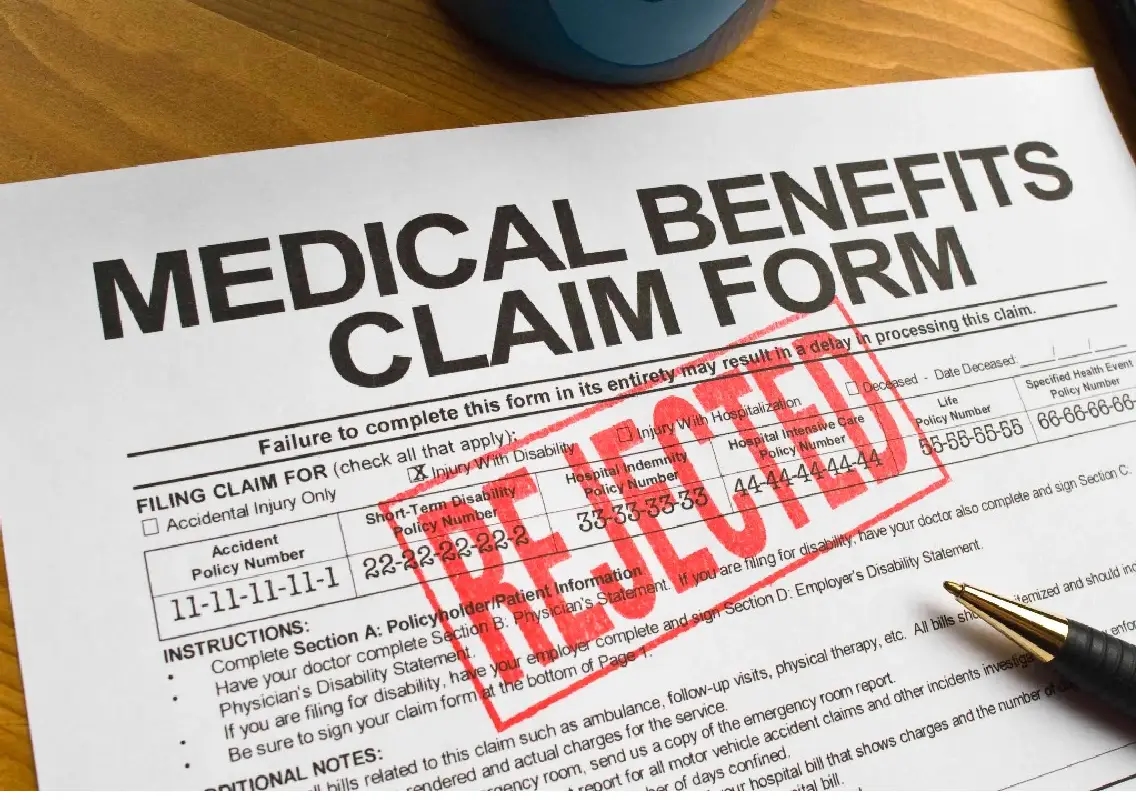


A viral social media post has triggered a wider debate on health insurance claim settlements after a man alleged that his mother’s claim was denied despite paying ₹50,000 annually as premium.
The man said he had been regularly paying premiums for his mother’s policy with Star Health and Allied Insurance. When she fell ill, he approached the company’s Lucknow office expecting support, but claimed the settlement was denied. He also alleged that he was made to wait for hours and was told by an agent that the policy had not been taken “after consulting them”.
Public reactions and concerns
The post quickly gathered traction, with several users sharing similar experiences and expressing mistrust about claim processes. Some questioned whether health insurance policies are becoming “paper promises” rather than reliable safeguards during emergencies.
Others highlighted concerns over technical grounds such as “material non-disclosure”, where claims may be rejected if prior medical history was not fully recorded in policy documents.
Insurer’s response
Star Health responded publicly, stating that claim decisions are based on documented disclosures and verified medical records. The company said that where material non-disclosure is identified, insurers are required to act in line with policy contracts and regulatory norms. It also noted that defined review and grievance processes exist to ensure fairness.
The company did not comment specifically on allegations regarding office conduct.
Understanding the dispute
Health insurance policies operate on contractual terms. Customers are required to disclose accurate medical histories at the time of purchase. However, disputes often arise when policyholders say they verbally shared information with agents that was not properly documented.
If a claim is rejected, policyholders can:
- Seek written reasons citing policy clauses
- File an internal grievance with the insurer
- Approach the Insurance Ombudsman
- Escalate complaints through the insurance regulator’s grievance system
Experts note that while many disputes are resolved at later stages, the process can be stressful and time-consuming — especially during medical emergencies.
The episode underscores a broader concern among policyholders: paying premiums is routine, but the real test of trust comes at the time of claim.