







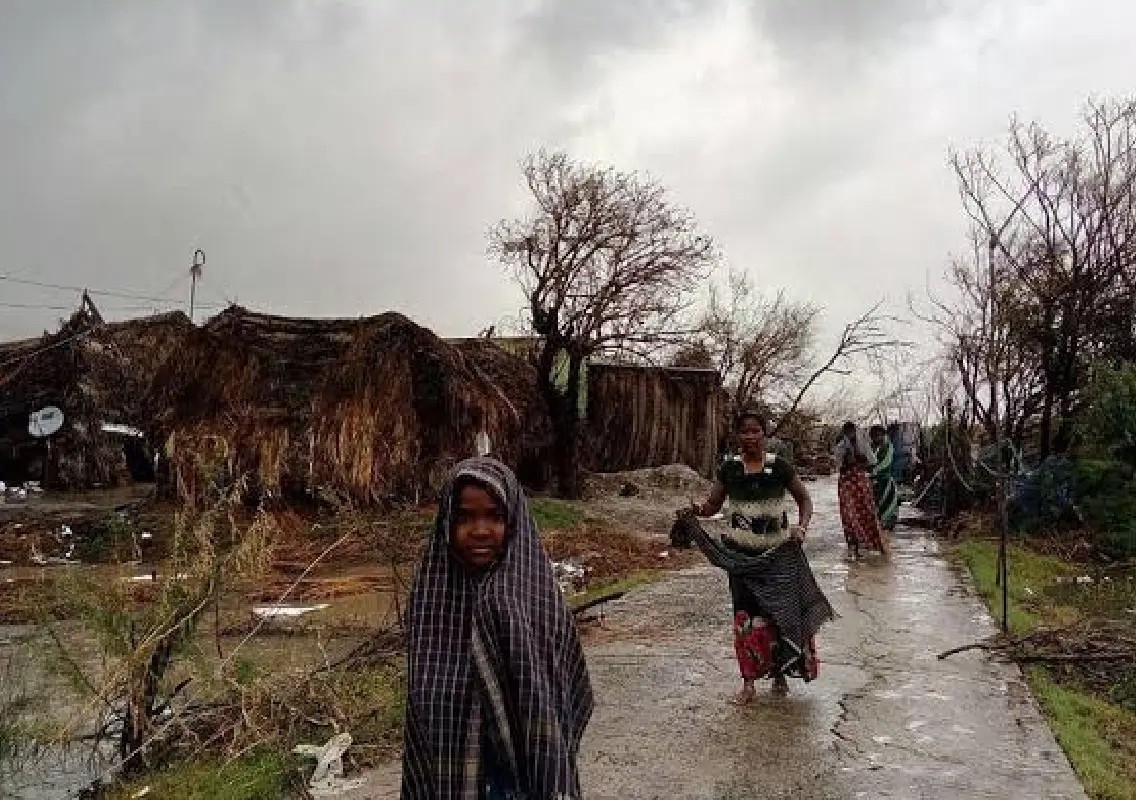


Cuddalore: A coastal village in Tamil Nadu is showing how communities can prepare for climate threats by working with nature instead of waiting for disasters to strike.
Killai, located beside the Pichavaram Mangrove Forest, has become Tamil Nadu’s first village to pilot a complete Climate-Resilient Village model after years of facing cyclones, coastal erosion, flooding and saltwater intrusion.
A village chooses preparation over repeated recovery
For years, changing weather and rising sea levels affected fishing and farming in Killai. Instead of relying only on relief and rebuilding after disasters, authorities adopted a long-term approach to strengthen the village against future climate threats.
The initiative was implemented under the Climate Change Mission with support from WRI India.
Restoring waterways strengthens the coast
One of the first major steps was the desilting of a three-kilometre stretch of the Buckingham Canal.
The work improved tidal flow, removed plastic waste and helped revive wetlands and surrounding mangroves.
The restored mangroves now act as natural barriers against cyclones and storm surges. They also provide fish breeding grounds, store carbon and help protect the livelihoods of fishing communities.
Solar power brings a cleaner future
The transformation has also included clean-energy measures. Solar systems have been installed to power public buildings, while a solar-powered electric boat has replaced fuel-powered rides through the Pichavaram area.
The initiative demonstrates how tourism and environmental conservation can work together while reducing dependence on conventional fuel.
People remain at the heart of the change
Climate resilience in Killai has also involved the local community. Schools have introduced climate stewardship, while residents have taken up scientific beekeeping.
The project was developed at a cost of Rs 230.15 lakh through climate mission and corporate environmental funds.
Killai is now being positioned as a model for the 10 other Climate-Resilient Villages planned across Tamil Nadu, showing how restoring ecosystems and empowering communities can offer a stronger response to climate challenges.