







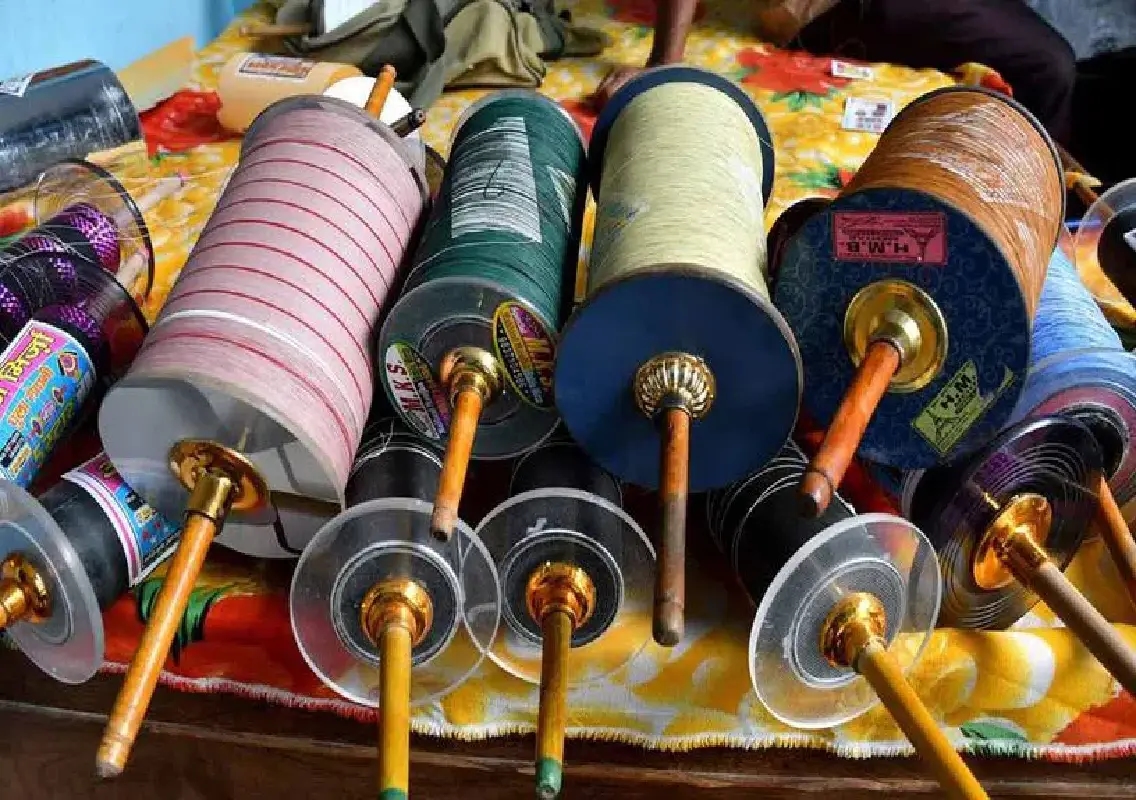


Hyderabad: Animal protection organisation Humane World for Animals India, formerly known as Humane Society International, has appealed to citizens to celebrate Sankranti in a compassionate and cruelty-free manner by avoiding the use of illegal glass-coated and synthetic kite strings, commonly known as Chinese manja. The organisation has urged people to instead use traditional cotton manja, highlighting that responsible choices during the festival can prevent serious harm to birds, animals and humans.
Call to reject dangerous kite strings
In a public appeal ahead of Sankranti, Humane World for Animals India emphasised that the use of glass-coated and synthetic manja poses a severe threat to urban wildlife, particularly birds, as well as to pedestrians, two-wheeler riders and kite flyers themselves. The organisation noted that every year, several cases of birds suffering fatal injuries due to entanglement in sharp manja are reported across cities and towns.
According to animal welfare groups, birds often sustain deep cuts on their wings, necks and legs when they collide with or get trapped in glass-coated threads. Many are left unable to fly, while others bleed to death if not rescued in time. Domestic animals and stray dogs are also at risk, as discarded manja often remains strewn across rooftops, trees and roads long after the festival ends.
Legal consequences under Bharatiya Nyay Sanhita
The organisation reminded the public that the use of Chinese manja is not only harmful but also illegal. Under Section 223 of the Bharatiya Nyay Sanhita (BNS) 2023, the manufacture, sale or use of glass-coated or synthetic manja is a punishable offence.
Violators can face a fine of up to Rs 5,000, imprisonment for up to one year, or both. Humane World for Animals India urged citizens to take note of the legal provisions and act responsibly to avoid penalties while ensuring public safety.
The organisation also called upon people to report the sale or use of illegal manja to local authorities, including the police and municipal bodies, to help curb its circulation during the festive season.
Emphasis on traditional cotton manja
Highlighting the cultural roots of Sankranti, the organisation said that the festival has traditionally been celebrated using cotton threads, which are biodegradable and significantly less harmful. Cotton manja, while allowing people to enjoy kite flying, does not pose the same risks as sharp, glass-coated strings.
Dr Piyush Patel, veterinarian and director of the street dog programme at Humane World for Animals India, stressed that small changes in festive practices can have a big impact. “A festival rooted in warmth, joy and togetherness should never become a cause of fear or harm. Returning to cotton manja is a simple yet powerful way to honour our traditions while choosing safety and compassion for all,” he said.
He added that compassion towards animals and birds should be an integral part of celebrations, especially in urban environments where wildlife already faces shrinking habitats.
Impact on birds and urban wildlife
Animal welfare organisations have repeatedly flagged the spike in bird injuries during kite-flying festivals. Species such as pigeons, crows, kites and parakeets are particularly vulnerable, as they often fly at heights where manja is most prevalent.
Rescue volunteers and veterinarians report that Sankranti and similar festivals place immense pressure on animal rescue networks, with many organisations struggling to cope with the number of injured birds brought in for treatment. In several cases, birds that survive their injuries are left permanently disabled.
Experts point out that prevention is far more effective than rescue. By choosing safe alternatives like cotton manja, festival-goers can significantly reduce the number of injuries and deaths.
Public safety concerns
Apart from animal welfare, the use of glass-coated manja also raises serious public safety concerns. There have been multiple incidents across the country of pedestrians and two-wheeler riders suffering severe neck and facial injuries due to loose manja stretched across roads.
In some tragic cases, such accidents have resulted in fatalities. Authorities have repeatedly warned that synthetic manja, which is stronger and less likely to snap, poses an even greater risk when left unattended in public spaces.
Humane World for Animals India said these dangers underscore the need for strict enforcement of existing laws and greater public awareness.
Appeal for collective responsibility
The organisation appealed to kite sellers, parents and community leaders to play a proactive role in promoting cruelty-free celebrations. It urged shopkeepers to refrain from stocking illegal manja and encouraged parents to educate children about safe kite-flying practices.
Citizens were also advised to responsibly dispose of used threads and avoid flying kites near roads, electric lines and areas frequented by birds.
Conclusion
As Sankranti approaches, Humane World for Animals India has called for a return to mindful and compassionate celebrations that uphold both tradition and safety. By rejecting illegal glass-coated and synthetic manja and choosing cotton threads instead, citizens can help protect birds, animals and fellow humans from needless harm. The organisation reiterated that a truly joyful festival is one that spreads happiness without causing suffering, making compassion an essential part of celebration.