







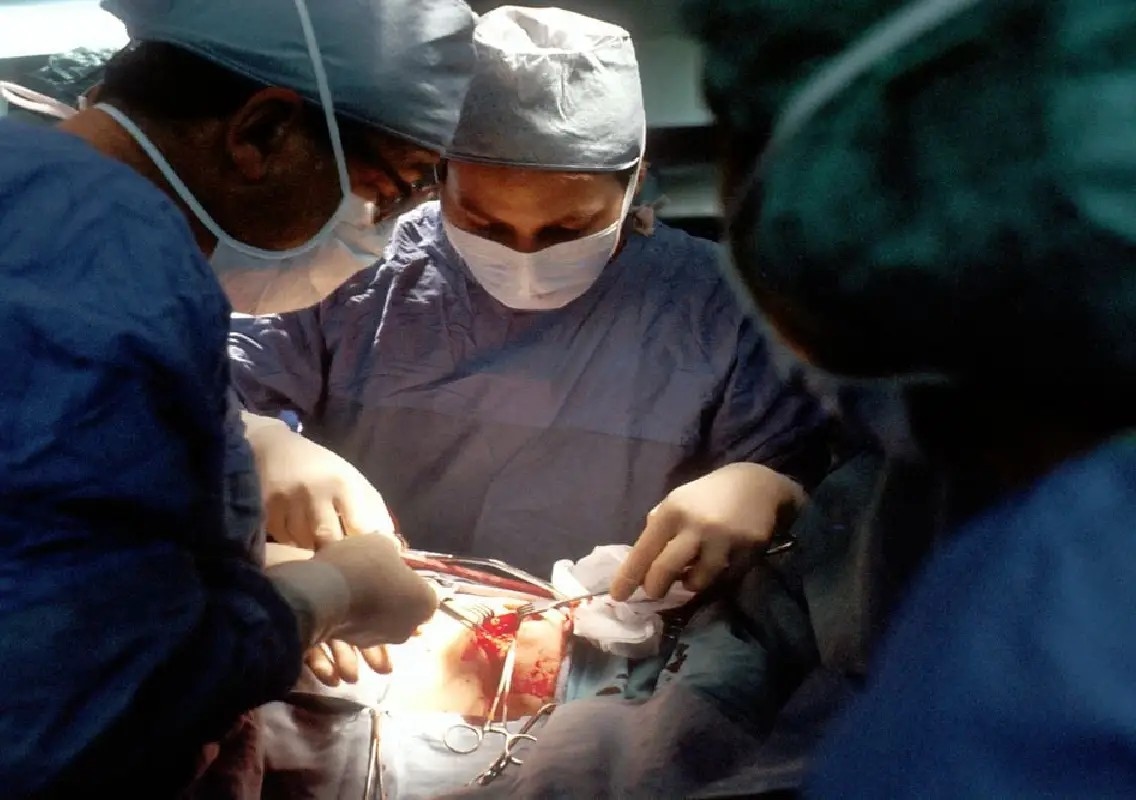


Doctors at the Nizam’s Institute of Medical Sciences (NIMS) in Hyderabad have successfully performed a rare scarless brain tumour surgery by accessing the tumour through the patient’s eye socket.
The innovative procedure allowed surgeons to remove the tumour without opening the skull through conventional methods, significantly reducing recovery time and post-operative complications.
Tumour removed through minimally invasive approach
The surgical team used a transorbital approach, entering through the eye socket to reach the tumour located at the base of the brain.
This advanced technique eliminates the need for large incisions on the scalp or skull, resulting in no visible surgical scars and less trauma to surrounding tissues.
Doctors said the approach offers improved cosmetic outcomes while maintaining surgical precision.
Faster recovery for patient
According to the medical team, the patient recovered well following the procedure and experienced fewer complications compared to traditional brain surgery methods.
The minimally invasive technique also helps reduce hospital stay, pain and recovery time.
Specialists noted that such procedures are particularly beneficial for tumours located in difficult-to-access areas near the skull base.
Milestone for neurosurgery
Medical experts described the surgery as a significant advancement in neurosurgical care and skull-base surgery.
The procedure required close coordination between neurosurgeons and other specialists, along with advanced imaging and surgical navigation systems.
Doctors said the success demonstrates how evolving surgical technologies are making complex brain operations safer and less invasive.
Expanding treatment possibilities
NIMS officials believe the achievement will open new possibilities for treating selected brain tumour patients through minimally invasive approaches.
Experts, however, cautioned that not all brain tumours are suitable for this technique, and treatment decisions depend on the tumour’s size, location and overall patient condition.
The successful surgery highlights the growing adoption of advanced neurosurgical procedures in India and their potential to improve patient outcomes