







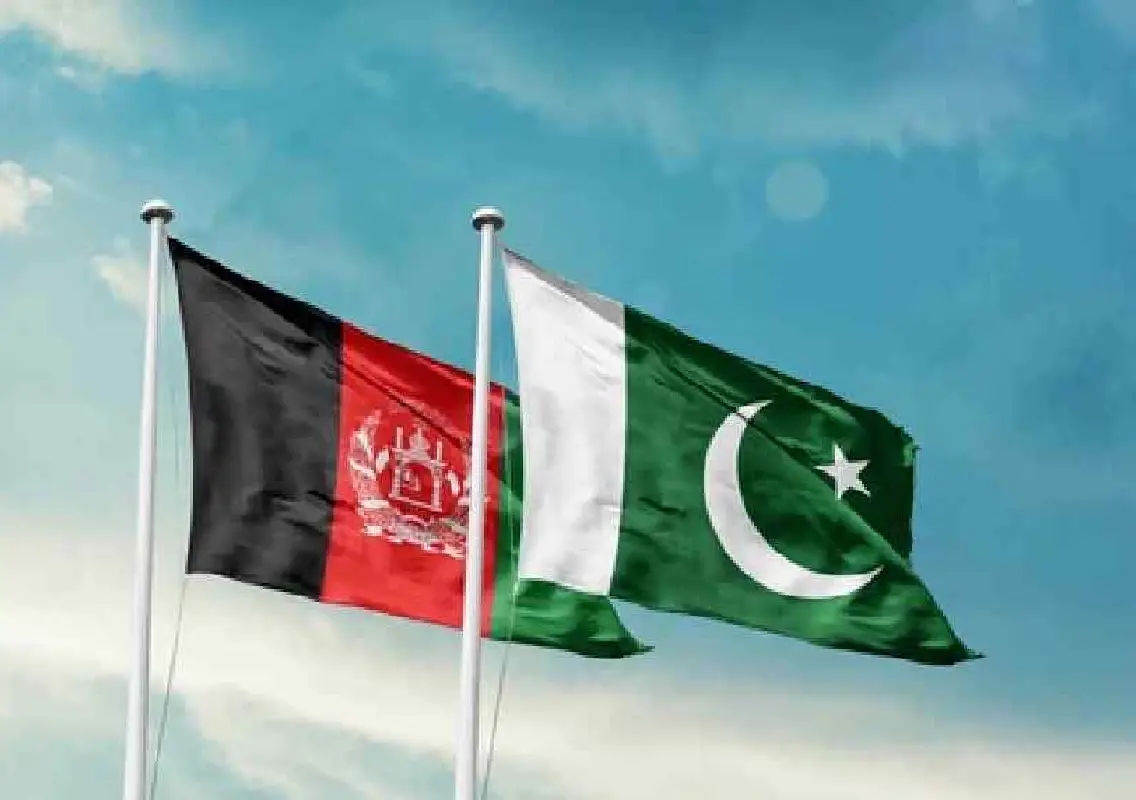


India has expressed support for Afghanistan’s decision to build a dam on the Kunar river, affirming that it stands ready to assist Kabul in sustainable water management and hydroelectric development. The statement comes amid heightened tensions between Afghanistan and Pakistan over the project’s potential impact on cross-border water flow.
Ministry of External Affairs (MEA) spokesperson Randhir Jaiswal said on Thursday that India shares a history of cooperation with Afghanistan on such initiatives, recalling the Salma Dam project in Herat province as a key example.
“India stands ready to support Afghanistan in sustainable water management, including hydroelectric projects. There’s a long-standing record of collaboration between both countries in this area,” Jaiswal said.
He also reaffirmed India’s “full commitment to the sovereignty, territorial integrity and independence of Afghanistan,” noting that Pakistan’s reaction to the project is misplaced and politically motivated.
Pakistan’s objections and rising tensions
Afghanistan’s Taliban-led government last week announced plans to start construction of a dam on the Kunar river, which flows into Pakistan’s northwestern region. The project has raised alarm in Islamabad, where officials fear it could restrict water flow into their territory.
In response, the MEA spokesperson said Pakistan’s criticism reflects its habit of interfering in its neighbours’ internal affairs.
“Pakistan is infuriated with Afghanistan exercising sovereignty over its own territories. It seems to think that it can practice cross-border terrorism with impunity, which its neighbours find unacceptable,” the Indian official said.
The controversy over the Kunar dam comes as Islamabad faces a separate dispute with New Delhi after India put the 1960 Indus Waters Treaty in abeyance following the Pahalgam terrorist attack, which India blamed on Pakistan-based groups.
India rejects OIC’s statement on Jammu and Kashmir
During the same briefing, the MEA also rejected a statement by the Organisation of Islamic Cooperation (OIC) that criticised India over Jammu and Kashmir.
“We reject the OIC’s statement. The group has no locus standi to comment on issues that are internal to India,” Jaiswal asserted.
The OIC general secretariat had earlier reiterated its “full solidarity with the people of J&K in their quest for self-determination.” India has consistently maintained that Jammu and Kashmir is an integral part of India, and any external comments on the issue are “unwarranted.”
India reaffirms support for Cyprus amid rift with Turkiye
In another diplomatic engagement, External Affairs Minister S. Jaishankar reaffirmed India’s unwavering support for the sovereignty, unity and territorial integrity of the Republic of Cyprus, following talks with Cypriot Foreign Minister Constantinos Kombos in New Delhi.
Cyprus, which has no diplomatic relations with Turkiye, has long supported India on key international issues, including the fight against cross-border terrorism and India’s bid for permanent membership of the UN Security Council.
“We deeply appreciate Cyprus’s consistent support on issues of core interest to India,” Jaishankar said.
The reaffirmation of ties comes amid strained relations between India and Turkiye, whose leadership has frequently criticised India’s position on Kashmir.