







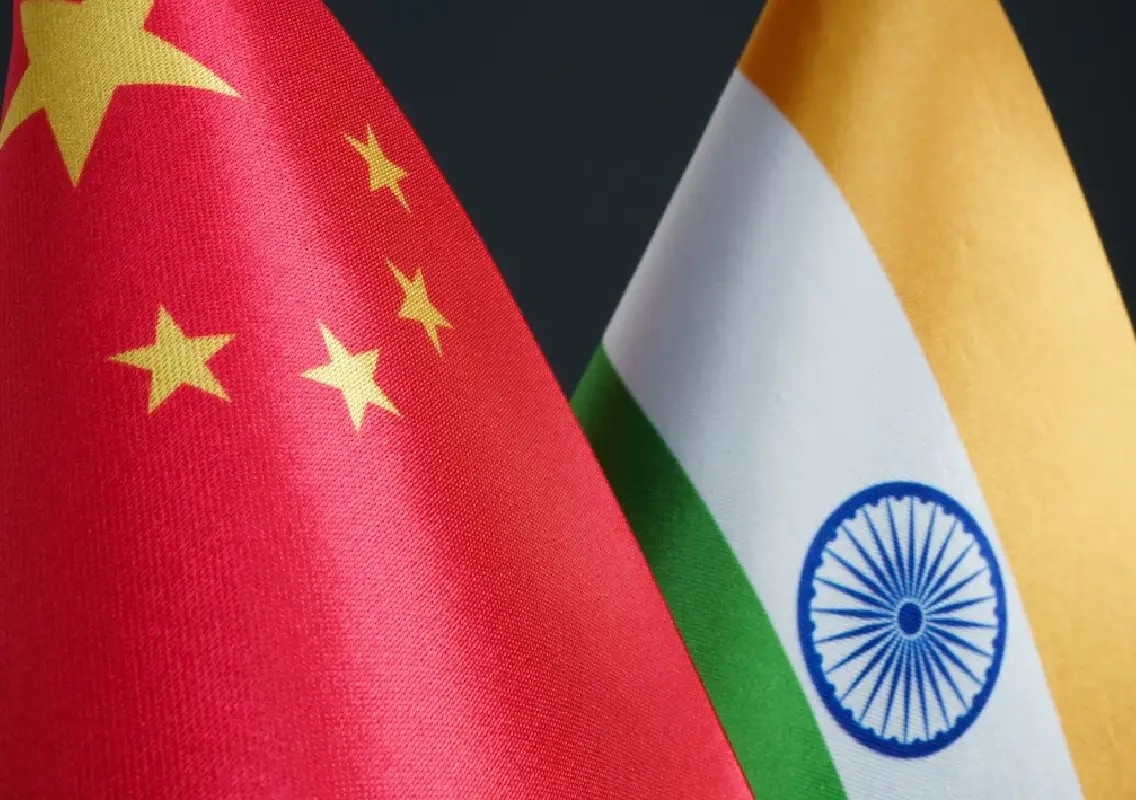


New Delhi: India and China have agreed to step up efforts to keep the Line of Actual Control (LAC) peaceful, even as questions over trust between the two countries continue to remain.
The understanding came during the 25th round of Special Representative-level talks between National Security Adviser Ajit Doval and Chinese Foreign Minister Wang Yi in Beijing.
Eight points agreed to keep border calm
The two sides agreed to maintain peace along the LAC, continue negotiations on the boundary dispute and strengthen existing mechanisms to prevent incidents and misunderstandings.
India and China also agreed to improve military communication channels so that unexpected situations along the border can be handled more effectively.
Both countries said they would work towards an “early and substantial harvest” in boundary delimitation and border management.
Border trade and pilgrimage may return
The talks also opened the way for the revival of border trade and the Kailash-Manasarovar pilgrimage.
India and China further agreed to continue discussions on trans-border rivers and the sharing of hydrological data.
The next round of Special Representative-level talks is expected to be held in New Delhi in 2027.
Can the two sides rebuild trust?
The latest agreement comes years after the serious border tensions of 2020, which badly affected India-China relations.
Although the two sides have since taken steps to reduce tensions, the events of 2020 left a deep trust deficit. India has continued to push for diplomatic engagement and stronger military communication to prevent another confrontation along the 3,488-km LAC.
Mechanisms such as the Working Mechanism for Consultation and Coordination (WMCC) remain important in managing tensions along the disputed border.
Arunachal Pradesh remains a major sticking point
Despite the latest efforts, territorial differences between India and China remain unresolved.
Beijing continues to claim Arunachal Pradesh as “Southern Tibet” or Zangnam and has also renamed places in the state.
The issue again drew attention in November 2025 when Pema Wangjom Thongdok, an Indian citizen from Arunachal Pradesh, was reportedly detained for 18 hours during a layover at Shanghai Pudong International Airport while travelling from London to Japan. The Indian Consulate in Shanghai helped her leave the situation, while Chinese officials said their immigration authorities had acted according to regulations.
India keeps engaging while protecting its interests
India has continued to engage with China through platforms such as the Shanghai Cooperation Organisation (SCO), while maintaining its position on national security and territorial integrity.
New Delhi has also resisted attempts to portray the Quad as an “anti-China” alliance, despite US efforts to give the grouping a stronger security role.
The latest talks show that both India and China are willing to keep communication open and prevent border tensions from damaging ties further.
However, the biggest question remains: can the latest agreements turn into lasting peace and help rebuild the trust lost after 2020?