







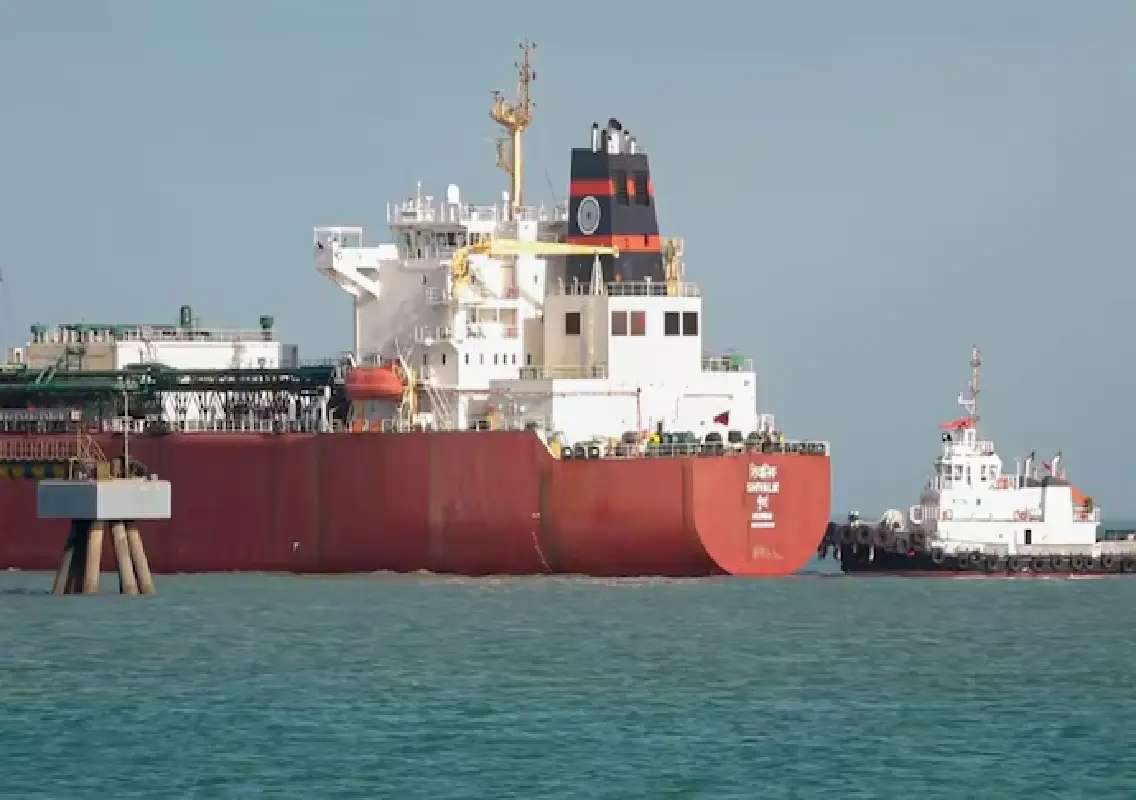


New Delhi: India may soon resume imports of Iranian crude oil as the United States has temporarily eased sanctions, offering relief amid the ongoing energy crisis triggered by tensions in West Asia. The move comes at a time when global oil markets are under pressure due to disruptions in key supply routes.
US eases sanctions to stabilise oil prices
The US administration, led by Treasury Secretary Scott Bessent, has permitted the sale of Iranian oil that is currently stranded at sea. This marks a significant shift from Washington’s earlier strict sanctions policy against Iran’s oil exports.
The decision aims to stabilise global crude prices, which have surged past $100 per barrel amid the conflict. Analysts believe the temporary relief could help ease supply constraints in international markets.
India looks to diversify crude sources
Indian refiners are reportedly preparing to resume purchases of Iranian crude, taking advantage of the relaxed restrictions. India, which imports nearly 90 per cent of its oil requirements, has been exploring alternative sources to ensure energy security.
Currently, around 60 per cent of India’s crude imports come from Gulf nations. The disruption in the region, particularly around the Strait of Hormuz, has heightened concerns about supply continuity.
India had earlier increased imports from Russia following similar sanctions relaxations, and refiners are now expected to adopt a similar approach with Iranian oil.
Strait of Hormuz disruptions impact supply
The Strait of Hormuz, a critical global energy corridor through which nearly 20 per cent of the world’s oil and gas passes, has seen significant disruption due to escalating tensions.
Iran has reportedly taken steps to restrict tanker movements in the region, adding to supply uncertainties. This has contributed to rising oil prices and concerns among major importing nations like India.
Iran signals limited availability
Despite the easing of sanctions, Iran has indicated that it may not have immediate crude available for export. The country’s oil ministry stated that there is no floating crude or surplus inventory ready for international buyers at present.
This could limit the immediate impact of the US decision, as buyers may have to wait for fresh supplies to become available.
Global energy market under pressure
The ongoing conflict in West Asia has already disrupted global energy markets, pushing prices higher and affecting supply chains. Any further escalation could worsen the situation, especially if key transit routes remain affected.
The US move to allow limited Iranian oil sales is seen as an attempt to prevent further price spikes and maintain market stability.
Implications for India
For India, the potential resumption of Iranian oil imports could provide a crucial buffer against supply disruptions and price volatility. Access to additional crude sources would help refiners manage costs and ensure steady fuel availability domestically.
However, the actual benefit will depend on Iran’s ability to supply oil and the duration of the sanctions relief.
Conclusion
While the temporary easing of US sanctions offers a window of opportunity for India to access Iranian crude, uncertainties remain over supply availability and regional stability. As the situation in West Asia continues to evolve, India’s energy strategy will likely focus on diversification and resilience to navigate ongoing challenges.